
How to Track UTM Parameters in Everest Forms
Everest Forms UTM tracking made easy, follow these 4 easy steps to uncover the source of every lead.
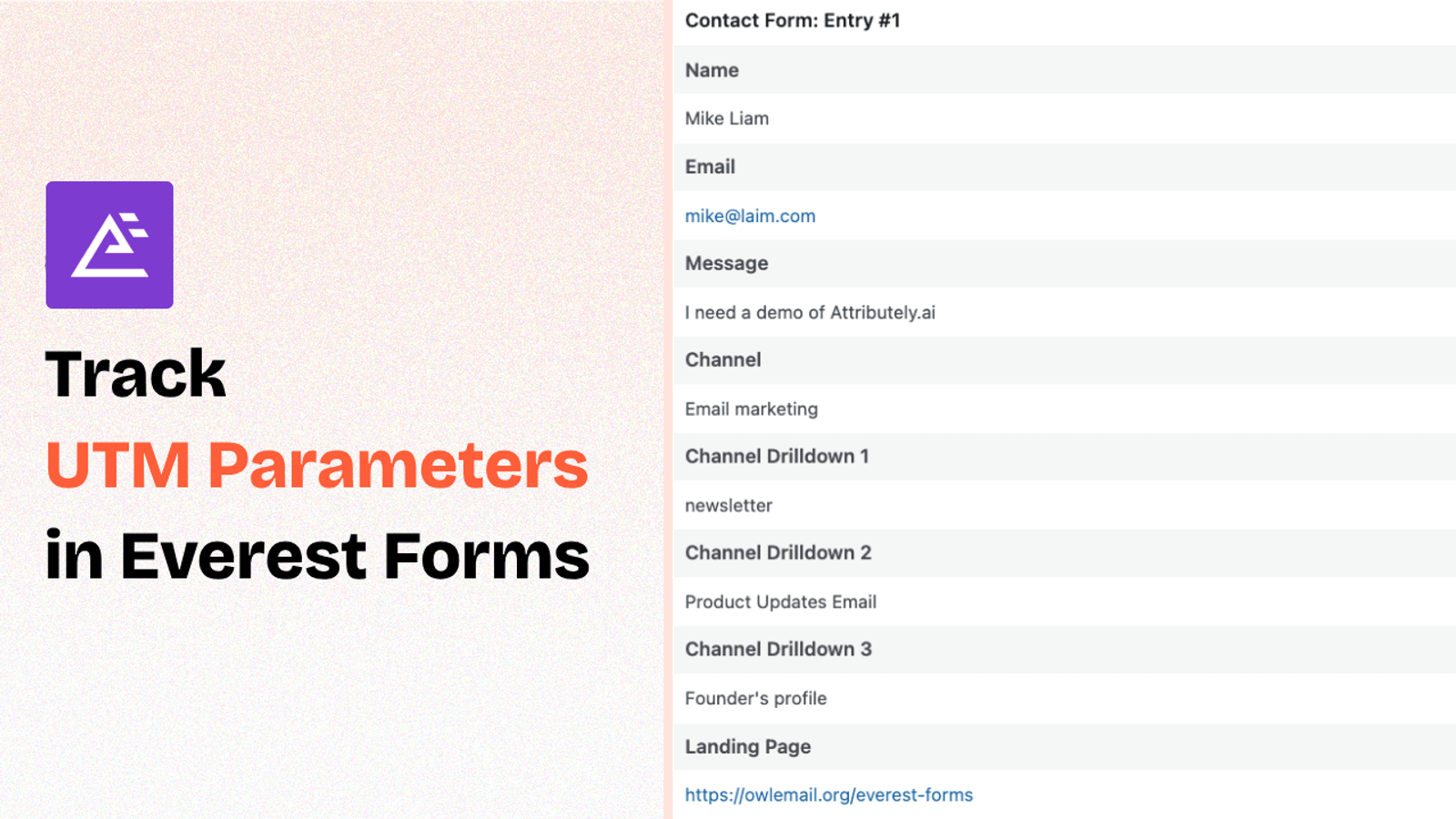
Table of contents
You have added UTM tags to every ad, email, and social post link so you can see where visitors come from.
But when a user submits an Everest Form, those tags disappear—and you can’t tell which campaign sent the lead.
In this guide, we’ll walk you through how to track UTM parameters in Everest Forms using SourceLoop.ai, so you’ll know exactly which channel, campaign, or ad brought in every lead.
5 Easy Steps to Track UTM Parameters in Everest Forms
Here are 4 simple steps to capture UTM parameters in Everest Forms:
1. Add SourceLoop on Your Website
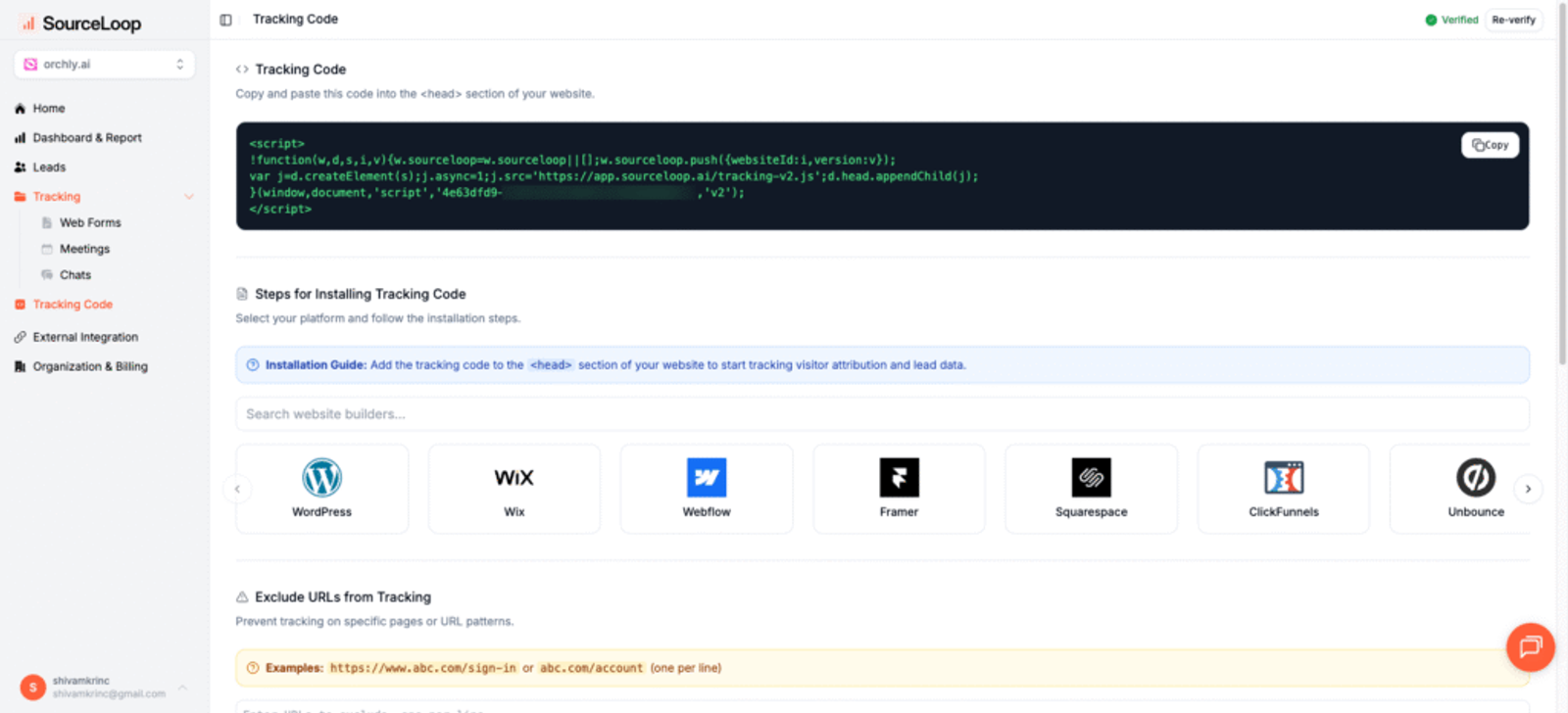
Go to SourceLoop.ai and create your free trial account.
Once signed in, copy the tracking script shown on the onboarding screen and to paste it in the <head> section of your WordPress website.
Quick Tip:
install the free “Insert Headers & Footers” plugin and paste in the Scripts in Header box.
This allows SourceLoop.ai to track each visitor’s UTM parameters (and more) and store that information in their browser cookies.
The best part? Instead of just saving the raw UTM string, SourceLoop.ai uses organizes them into clean, usable data like this:
Example:
Let’s say Airbnb is using SourceLoop.ai, and a user clicks on one of their Google Search ads while looking for vacation rentals in Italy.
SourceLoop.ai will capture and organize the user’s visit information like this:
- Channel = Paid Search
- Channel Drilldown 1 = Google
- Channel Drilldown 2 = Search Ad
- Channel Drilldown 3 = Italy Summer Rentals
- Landing Page = www.airbnb.com/s/italy
- Landing Page Folder = search
- Last Seen = Apr 14, 2025
2. Add UTM Parameters to Your Links
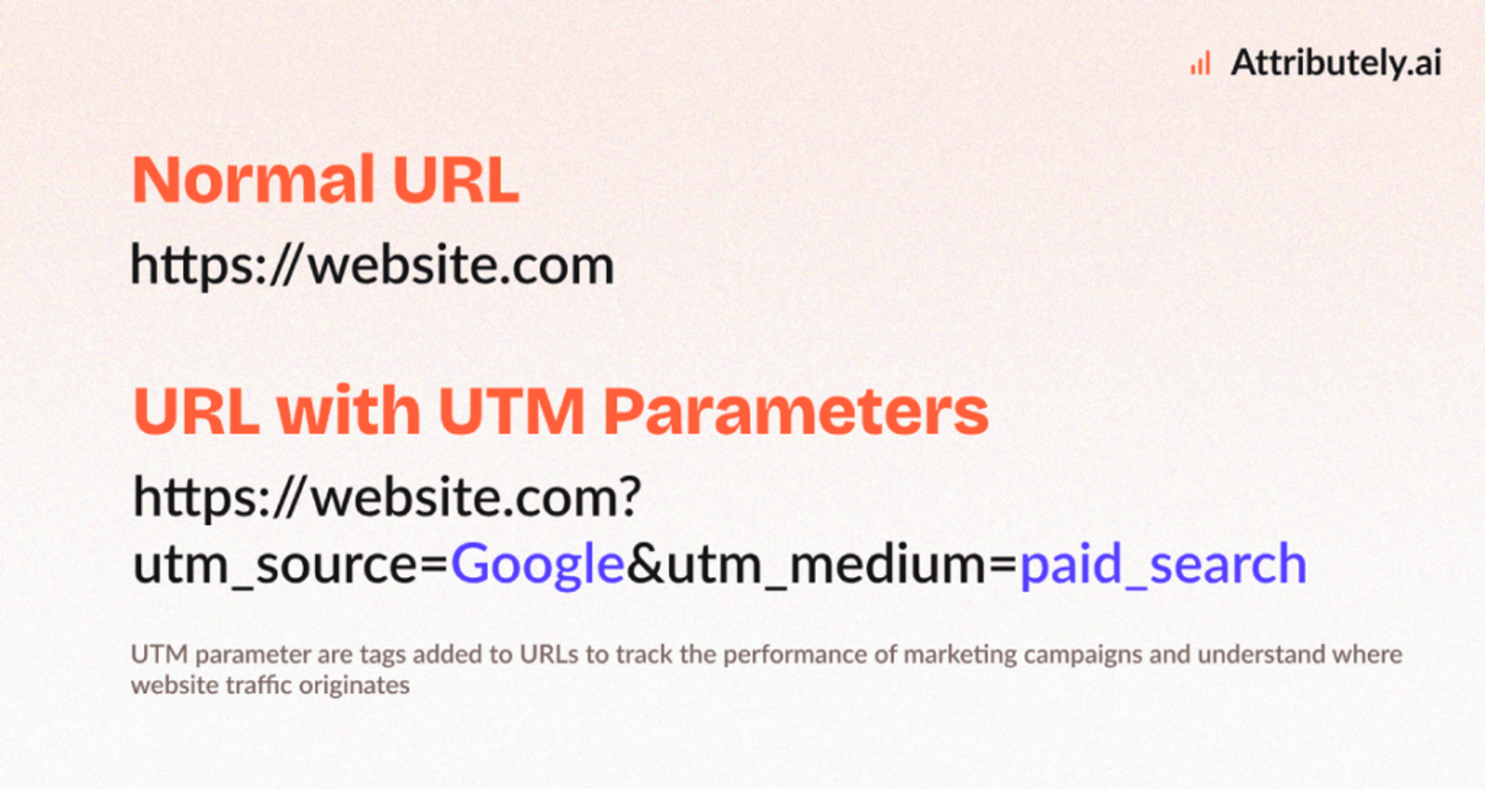
Now, SourceLoop.ai is ready to read the UTM data of users visiting your website.
So, you need to make sure every link you use to drive traffic to your website includes proper UTM tags.
Major ad platforms like Google Ads, Facebook Ads, and TikTok Ads provide easy options to dynamically insert UTM tags into your links.
Example of a link with UTM parameters:
https://yoursite.com/quiz?utm_source=facebook&utm_medium=paid&utm_campaign=summer_sale
TIP: UTM tags aren’t just meant for ads. You can add them to other marketing channels like email CTAs, social media bios, influencer stories, podcast show notes, and more.
Resources:
- How to add UTM parameters in Google Ads
- How to add URL parameters to Meta ads
- How to setup UTM Codes for LinkedIn Ads
- How to add UTMs to your TikTok ads
3. SourceLoop Automatically Capture the UTM Parameters
Every time someone visits your website, SourceLoop quietly track their UTM parameters and page views. Whether they come from a Google ad, a LinkedIn post, or a retargeting campaign three weeks later, we keep that data connected to their profile.
When they finally fill out a form or book a meeting, SourceLoop instantly links all of those visits together and turns them into a single, complete timeline inside the Lead Manager dashboard.
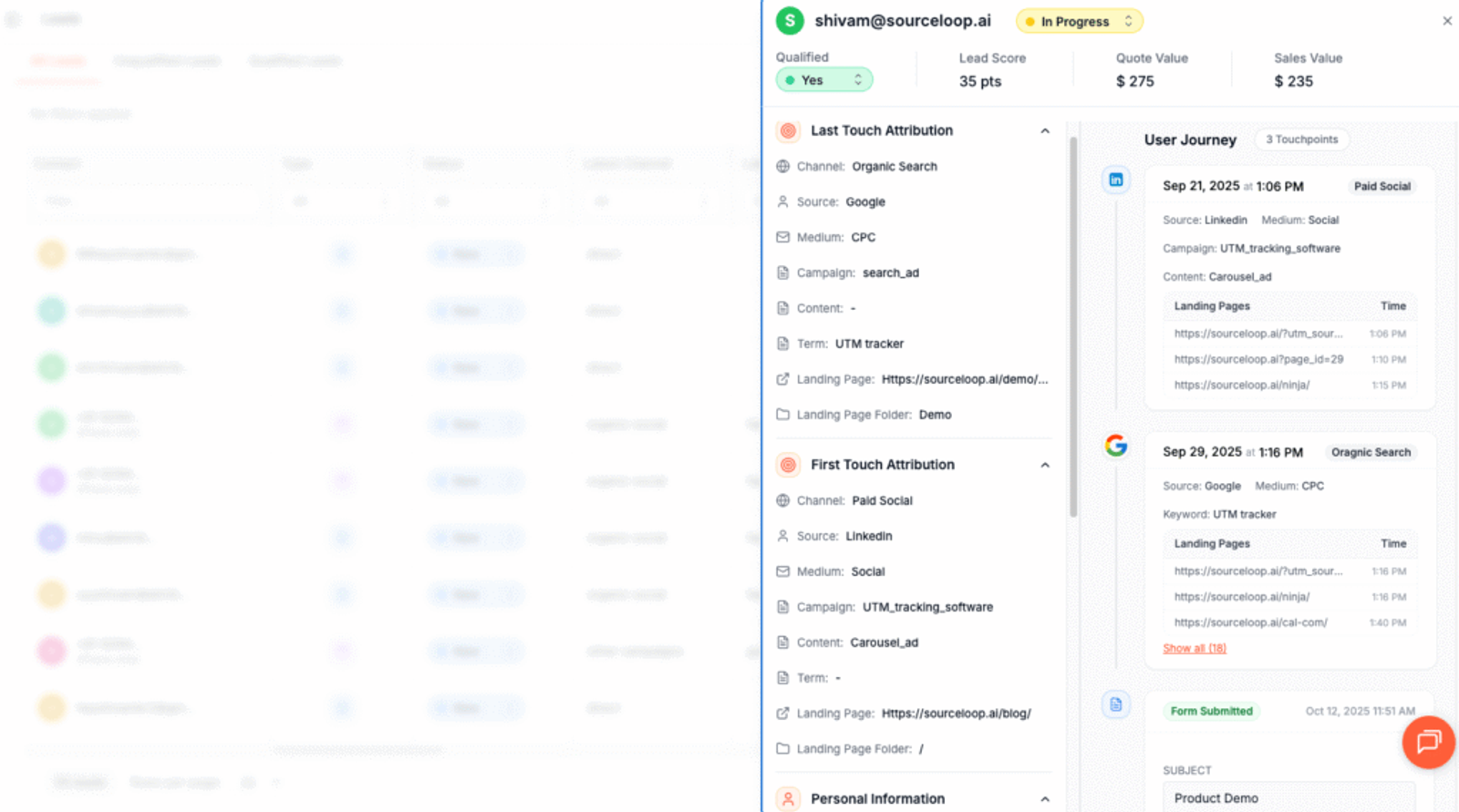
You can now see exactly which campaign brought them to your site for the very first time, what pages they explored on each visit, and what convinced them to convert.
Additional Tutorials:
4. Add Hidden Fields to Your Form (Optional)
You can also log UTM parameters directly from your lead form. Simply include hidden fields with the suggested values, and every submission will carry its attribution data.
These fields won’t be visible to your website visitors, but SourceLoop can see them and overwrite their placeholders data with real UTM data when user submits a form.
Adding hidden fields in Everest Forms is easy:
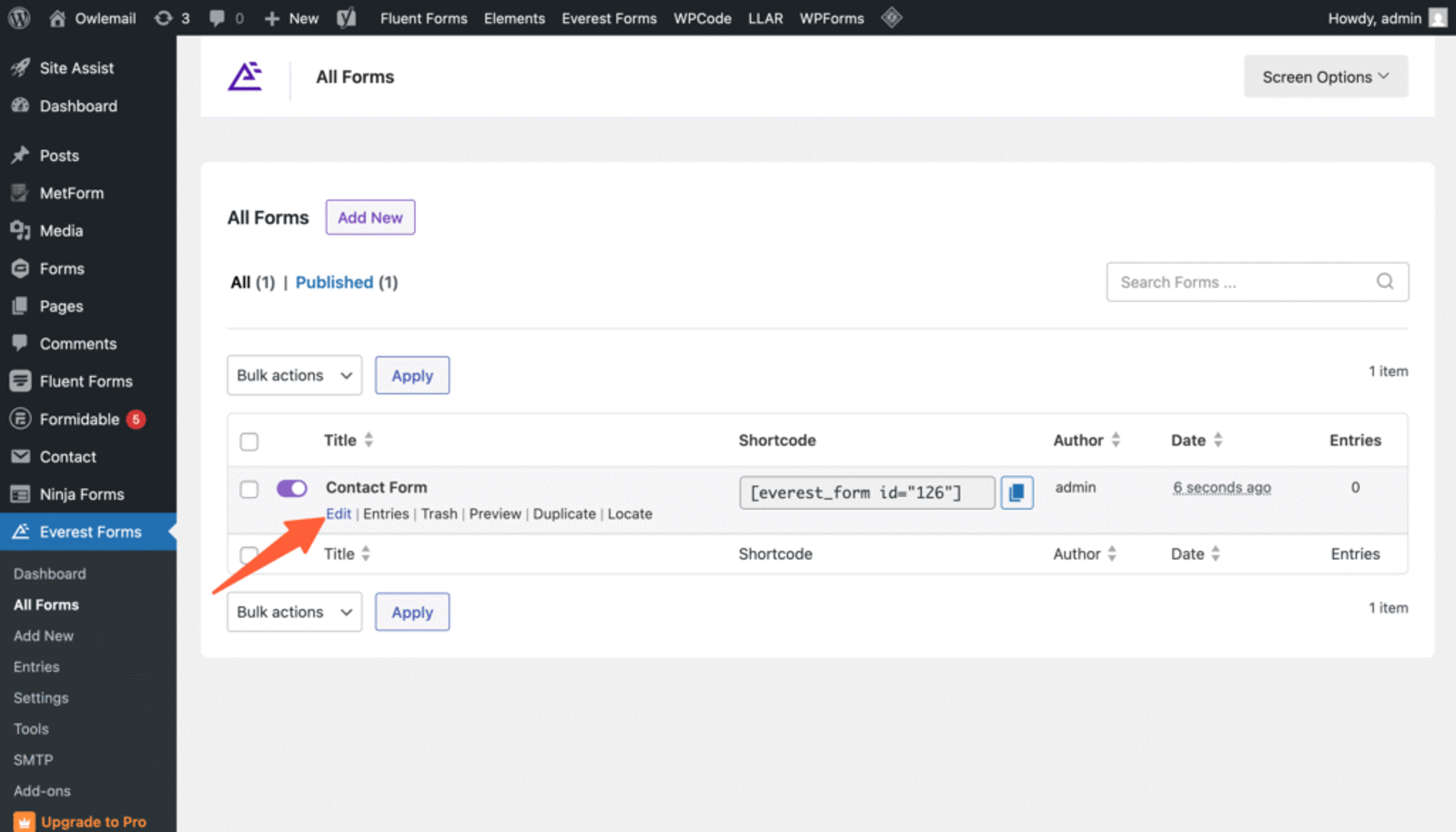
- Log in to your WordPress dashboard and open the Everest Form you’re using to collect leads.
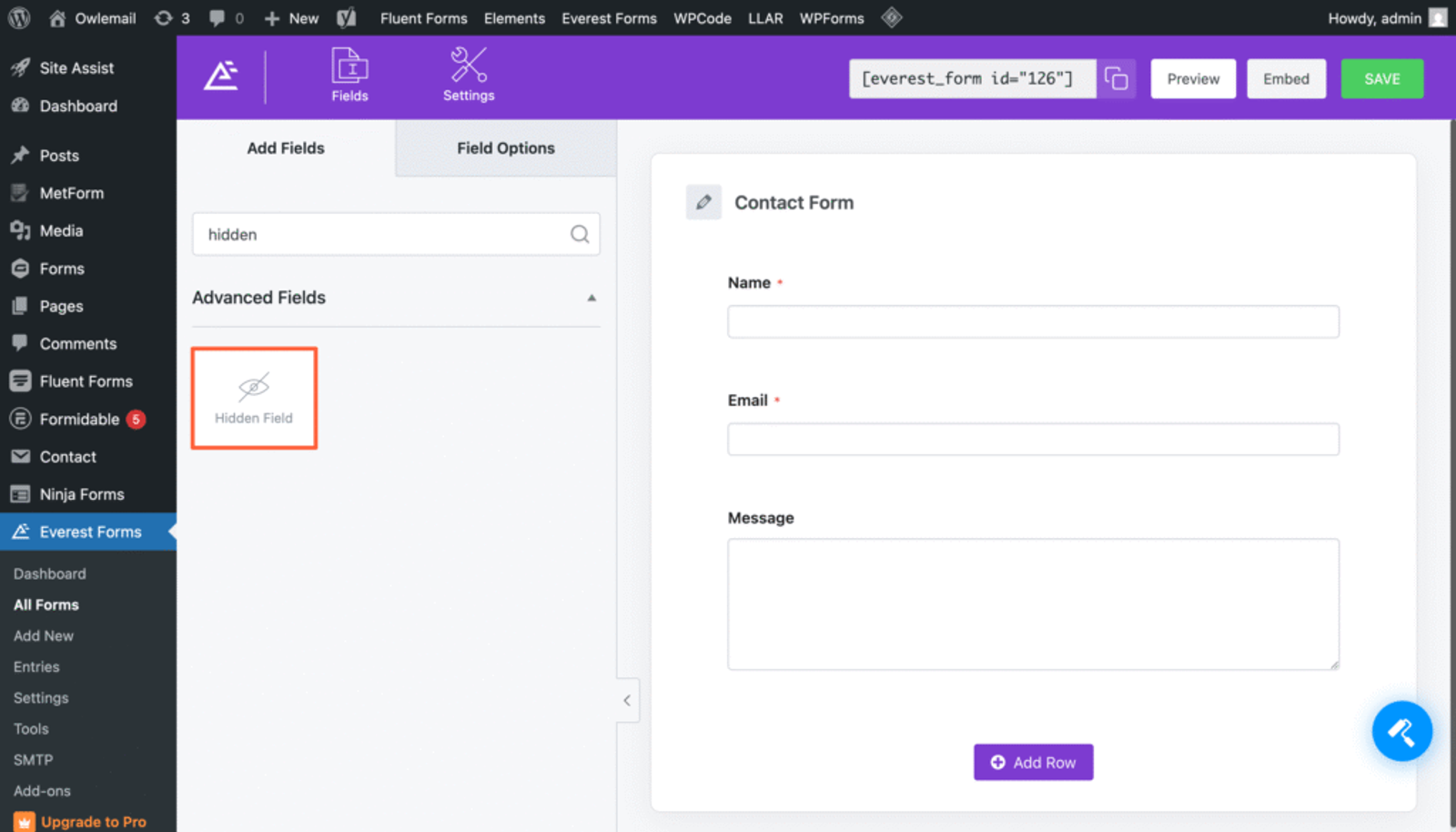
- Drag and drop 7 hidden fields from the left menu into your form.
- Click on each field to open its settings on the left, and set the default value of field to the value recommended by SourceLoop.
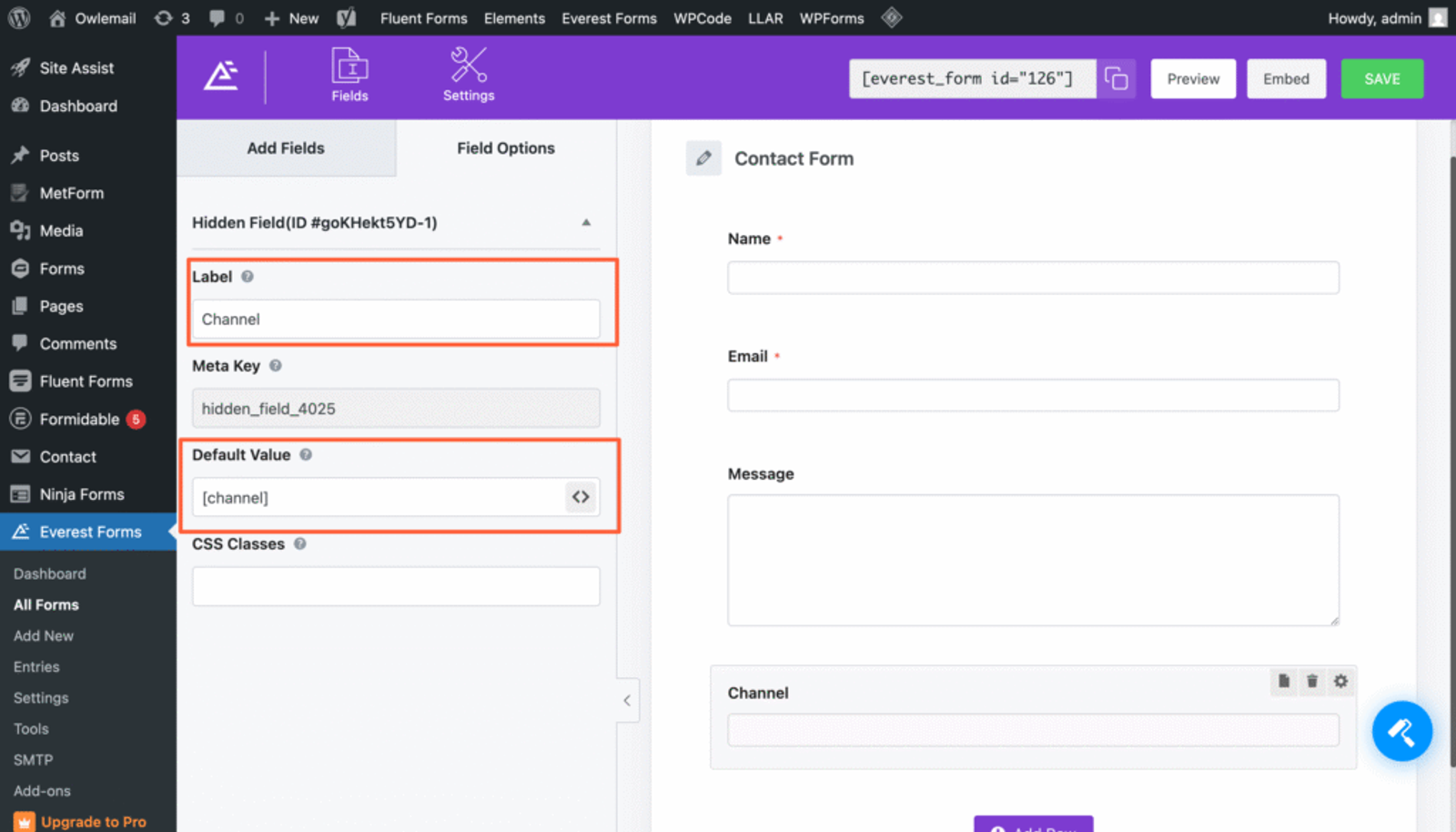
- [channel]
- [attribution_source]
- [attribution_medium]
- [attribution_campaign]
- [attribution_term]
- [landingpage]
- [landingpagefolder]
- [lastseen]
Optional: Track First-Touch Attribution (Highly Recommended for B2B)
If you sell B2B software, agency retainers, or any offer that requires multiple visits before a prospect fill a lead form or book meeting, then you may want to know how a lead first discovered your website.
Here are 7 additional hidden fields you can configure to get the attribution data of the user’s first visit to your website in the past 6 months.
- [first_channel]
- [first_source]
- [first_medium]
- [first_campaign]
- [first_term]
- [first_landingpage]
- [first_landingpagefolder]
- [first_seen]
This allows you to keep track of which marketing channel create awareness and which ones close the deal.
5. UTM Parameters Are Automatically Collected in Everest Forms Submission
Once you’ve configured the hidden fields, SourceLoop automatically takes care of the rest.
Whenever a user submits the form, SourceLoop passes their UTM data into the hidden fields—capturing details like the traffic source, campaign, and landing page.
To view this data:
- Go to your WordPress dashboard
- Open Everest Forms → Entries
- Open any entry to see the attribution data saved with each lead
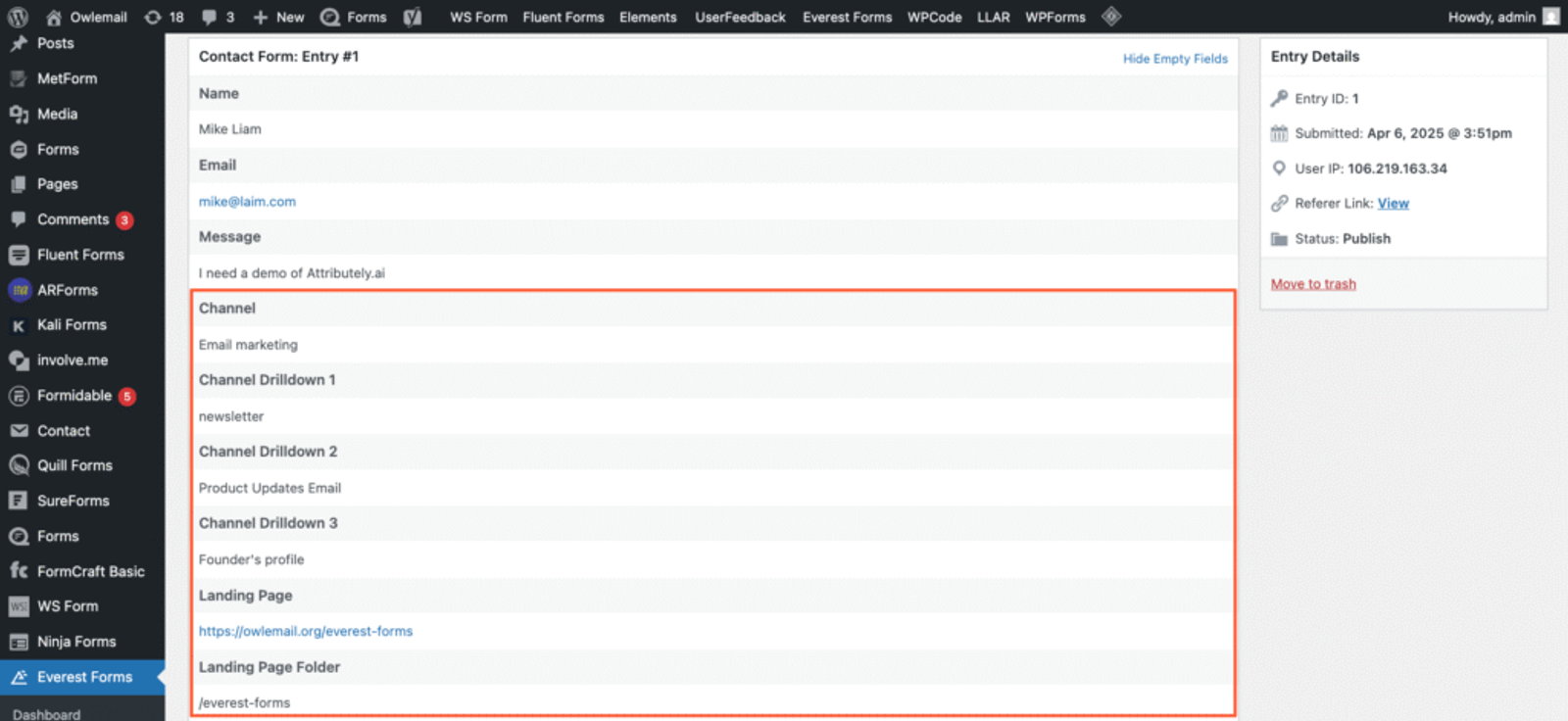
You can now create detailed reports to track where each of your leads comes from—whether it’s Google Ads, TikTok Ads, social media, organic search, or anywhere else.
So, rather than relying on guesswork, you’ll have a clear picture of which channel, marketing campaign, or even individual ad is driving high-quality leads.
This allows you to:
- Double down on the marketing activities that are performing well
- Cut back or optimize campaigns that aren’t delivering results
- Share attribution insights with your team or clients
- Make smarter decisions on where to allocate your budget
More Guides:




 Paid Social


