
How to Track UTM Parameters in Nimble CRM
Nimble CRM UTM tracking made easy: 4 simple steps to uncover what fuels your sales pipeline
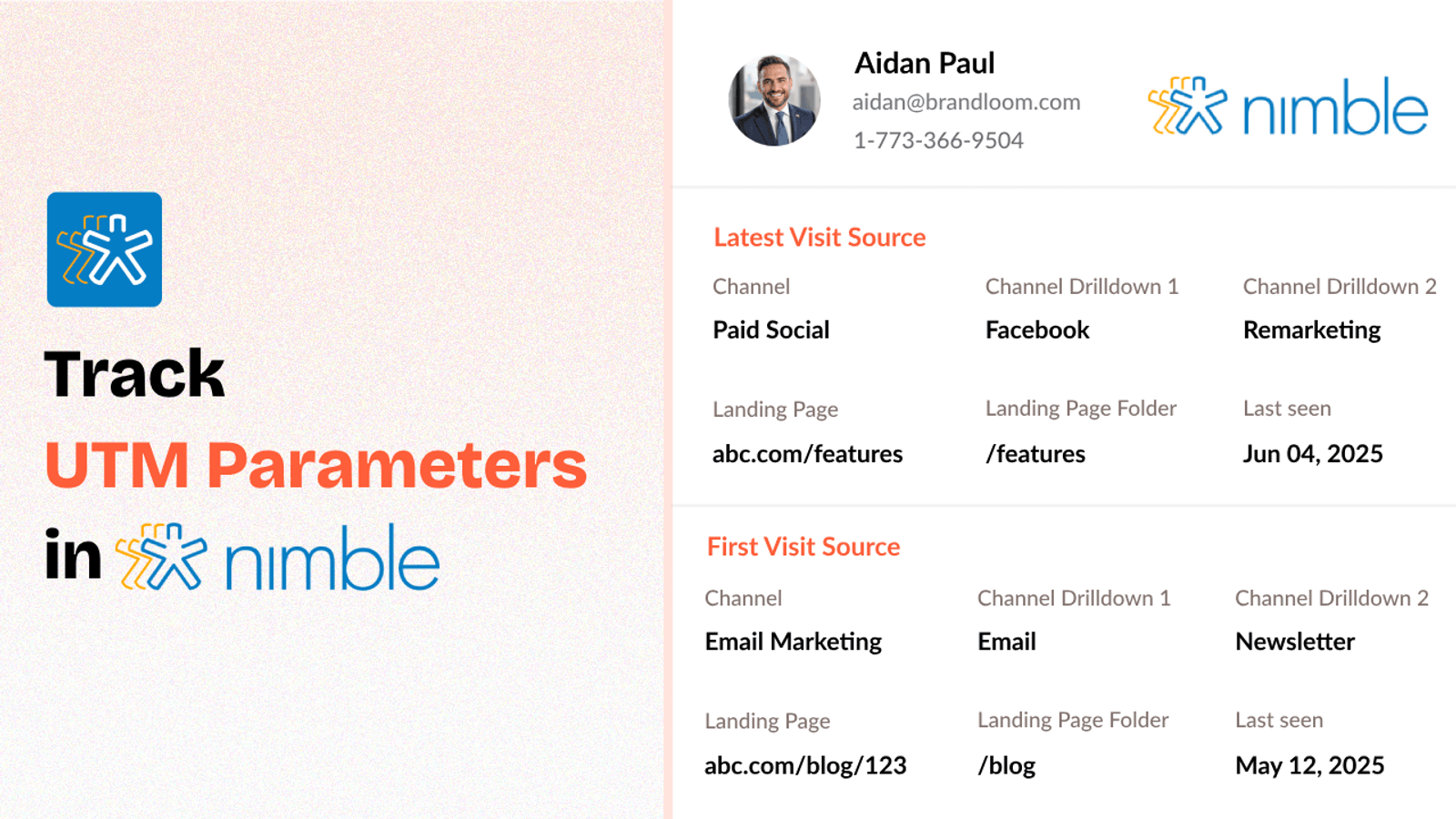
Table of contents
Want to know exactly where your leads are coming from?
By tracking UTM parameters in Nimble CRM, you can see which campaigns, ads, or traffic sources are driving results.
In this guide, we’ll show you how to track UTM parameters in Nimble CRM using SourceLoop.ai.
Let’s get started!
4 Easy Steps to Track UTM Parameters in
Nimble CRM
Here are 4 simple steps to capture UTM parameters in Nimble CRM:
1. Install SourceLoop.ai on Your Website
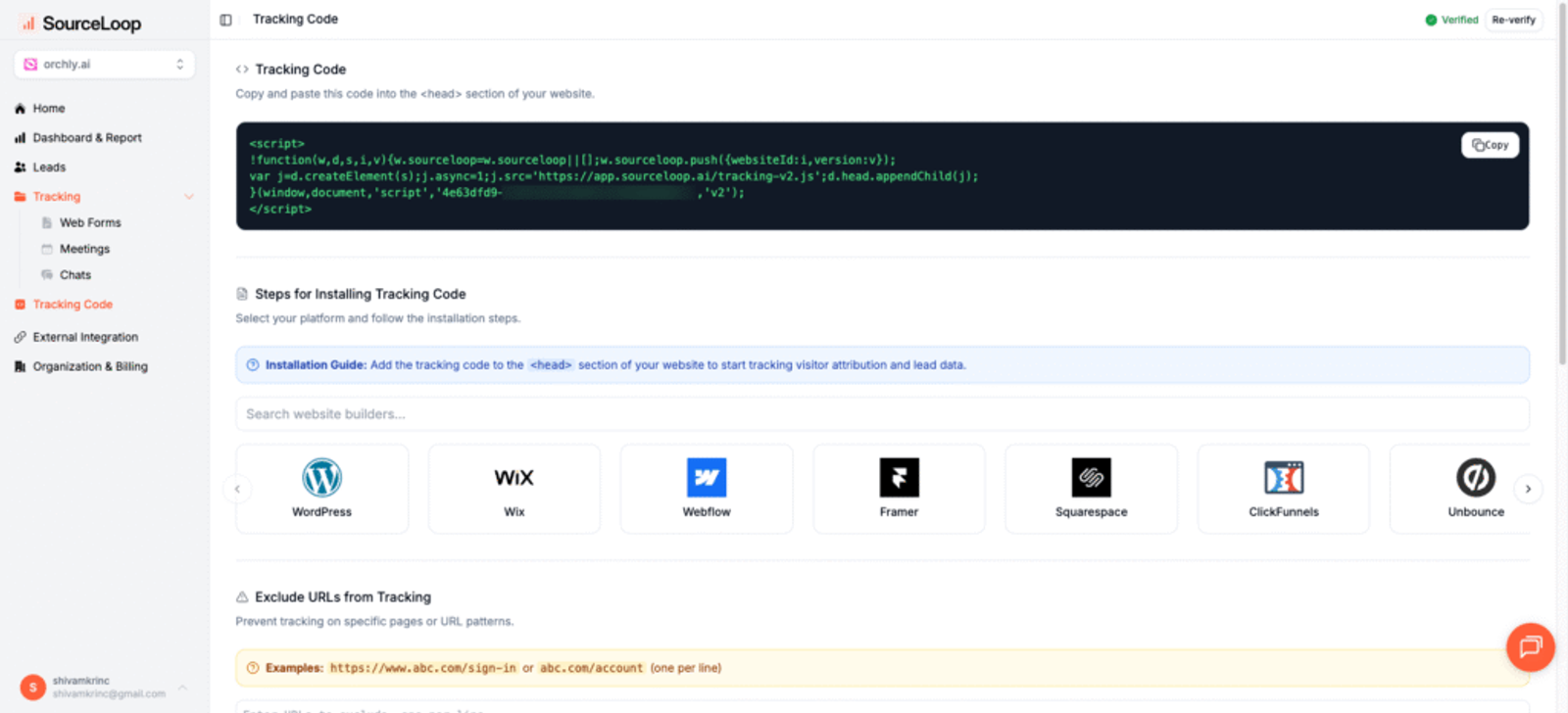
To begin tracking where leads come from, install SourceLoop on your website:
- Create a free account at SourceLoop.ai.
- After signup, you’ll receive a tracking script.
- Simply add this snippet to the
<head>section of your website or tag manager.
Once installed, SourceLoop automatically starts collecting UTM parameters, referrer data, and landing page info for every visitor.
Once added, SourceLoop automatically captures UTM parameters from every URL visit—no matter if the visitor came from paid ads, social media, partner website, or anywhere else.
Example:
Imagine you work in marketing or sales for a company that offers corporate training services.
You launch a multi-channel campaign to promote a free downloadable corporate training playbook.
A user searched for “team training strategy,” see your Google ad, and click on this link:
https://www.yourcompany.com/resources/playbook?utm_source=google&utm_medium=cpc&utm_campaign=training-guide&utm_term=team_training
SourceLoop will capture:
- Channel: Paid Search
Indicates this came from a paid search ad. - Channel Drilldown 1: Google
Fromutm_source=google. - Channel Drilldown 2: training-guide
Helps distinguish this from other guides or promotions. - Channel Drilldown 3: team_training
Shows exactly what this lead searched before clicking. - Landing Page:
/resources/playbook
The specific piece of content that convinced them to engage. - Landing Page Folder: resources
Useful for reporting on high-performing content categories. - Last Seen: April 27, 2025
→ The last time they were active on your site (can update on repeat visits).
2. Add UTM Parameters to Every Marketing Link
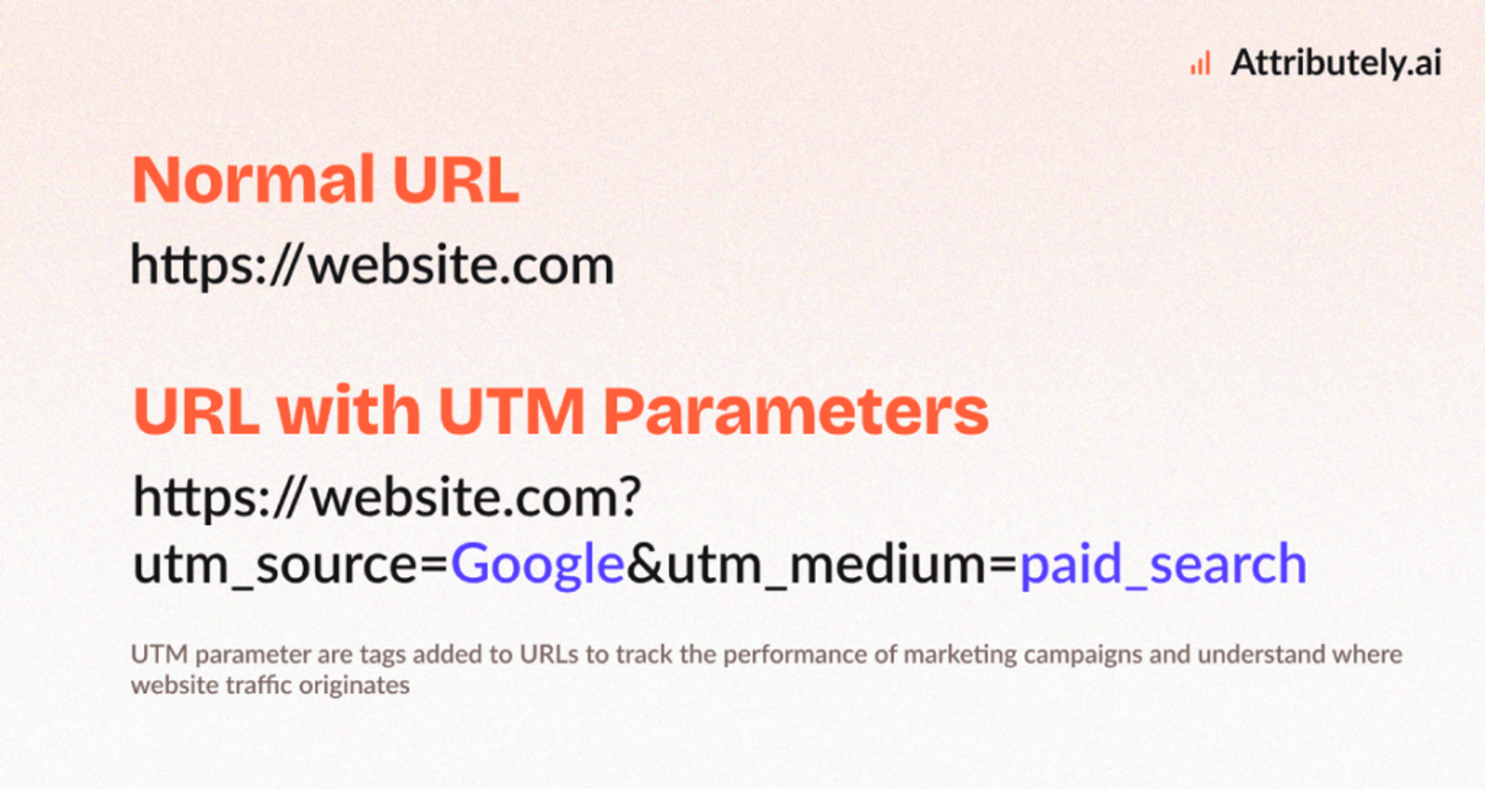
To make attribution actually work, the URLs that visitors use to reach your site need to include UTM parameters.
UTM parameters are simple tags you add to your links that help identify how someone found your website.
When links are properly tagged, SourceLoop captures the source, stores it in a cookie, and automatically passes that data to your lead form when a visitor converts.
Examples of UTM-Tagged URLs
For a Google Search Ad:
https://yourwebsite.com/demo?utm_source=google&utm_medium=cpc&utm_campaign=demo_signup_q2
For a LinkedIn Sponsored Post:
https://yourwebsite.com/webinar?utm_source=linkedin&utm_medium=paid&utm_campaign=webinar
For a Monthly Email Newsletter:
https://yourwebsite.com/blog?utm_source=newsletter&utm_medium=email&utm_campaign=may_digest
Resources: How to Create & Use UTM Tracking URLs
3. Add Hidden Fields to Your Lead Form
Whether you’re using forms for demo requests, contact inquiries, or newsletter signups—these are your capture points for lead information collection.
So, next step is to add a few hidden fields to your form to capture user’s UTM data.
Hidden fields are invisible input fields added to your lead forms.
They’re not visible to users, but they automatically collect and submit attribution data captured by SourceLoop in the background.
Recommended hidden fields value that SourceLoop.ai supports:
channelchanneldrilldown1channeldrilldown2channeldrilldown3landingpagelandingpagefolderlastseen
Optional: Capture First-Touch Attribution & Find How a Lead First Discovered Your Website
A user may visit your website multiple times through different marketing campaigns before they submit a lead form or book a meeting.
For example:
- A user discovers you via a Google Organic search
- Returns a few days later via a LinkedIn ad
- Then finally fills out your demo request form after reading a blog.
If you only track the last-touch, that lead looks like it came from email—but you miss that Google SEO introduced them to your brand.
SourceLoop solves this by letting you capture first-touch data too. Just add extra hidden fields like:
firstseenfirst_channelfirst_channeldrilldown1first_channeldrilldown2first_channeldrilldown3first_landingpagefirst_landingpagefolder
4. Automatically Sync UTM Data with Nimble CRM
That’s it.
When a user submits a form on your site, SourceLoop automatically passes the captured UTM and attribution data alongside the user’s contact details.
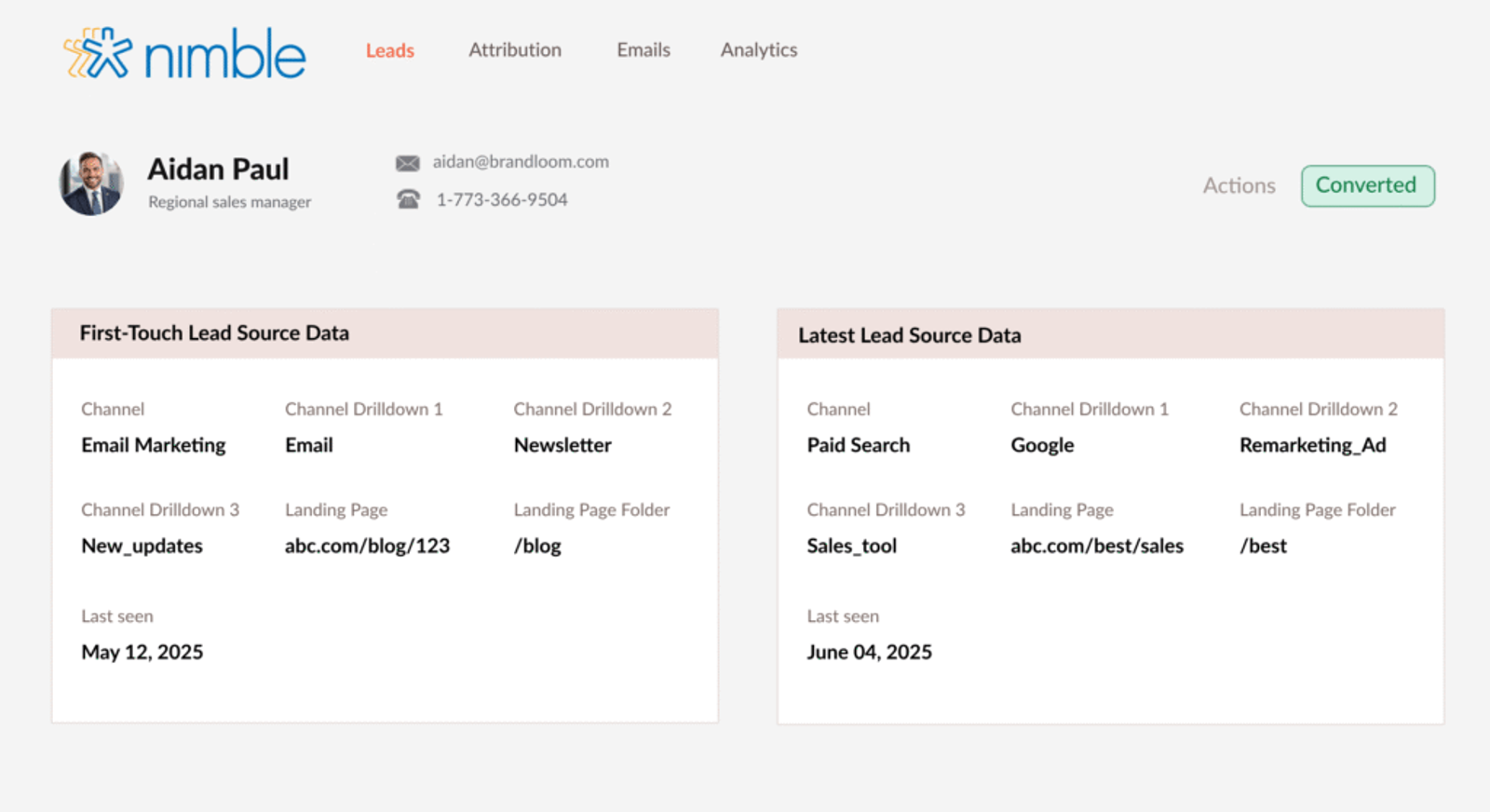
Depending on how your forms are connected to ActiveCampaign CRM, the data can be synced in one of three ways:
- Direct CRM field mapping (if using Nimble built-in web form tools)
- Via third-party form tools (e.g., Gravity Forms, Typeform, Webflow) using Zapier or Make.com
- Through a webhook integration that pushes data to your CRM endpoint in real time
What You Can Do with UTM Data in ActiveCampaign CRM
Now that UTM tracking is live and flowing into your CRM, here’s what you can do:
1. Know Which Marketing Channels Actually Work
Let’s say you’re running campaigns on:
- Facebook Ads
- Email Newsletters
- Google Search Ads
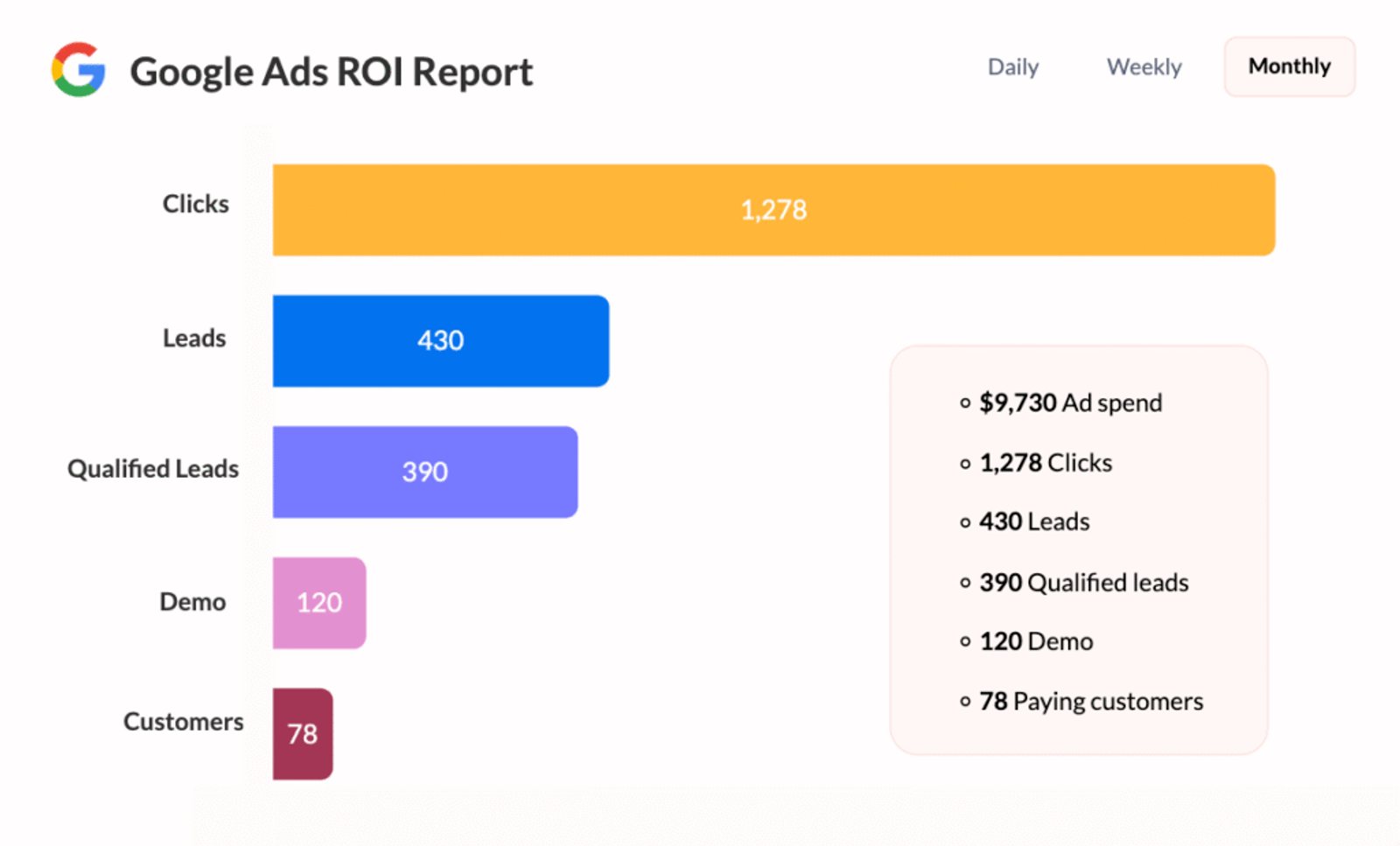
If you’re just looking at form fills, they might all look the same. But UTM data shows the quality behind the quantity.
For example:
- 40 leads came from Facebook, but only 2 became customers
- 12 leads came from newsletters, and 6 converted
2. Group Leads by Campaign or Source for Targeted Follow-Up
Let’s say you’re launching a new product.
With UTM data in your CRM, you can filter and follow up with only the leads who:
- Clicked on your product launch ad
- Attended a specific webinar
- Came through a referral program
So, instead of sending generic follow-up emails, your team can craft messages that speak directly to what the lead has already seen or shown interest in.
Example: “Thanks for attending our April webinar — here’s an exclusive early access link to the product you previewed.”
3. Route Leads to the Right Sales Rep Automatically
If your business has multiple sales reps or regional teams, UTM data can help automate lead assignment.
Example:
- Leads from LinkedIn Ads promoting your enterprise plan get assigned to your Enterprise Sales team.
- Leads from local Google Ads campaigns get routed to regional reps.
This allows a more faster and relevant followup which can translate into higher conversion rate and better lead experience.
4. Create Easy Reports to See What’s Working
You don’t need to be a data analyst.
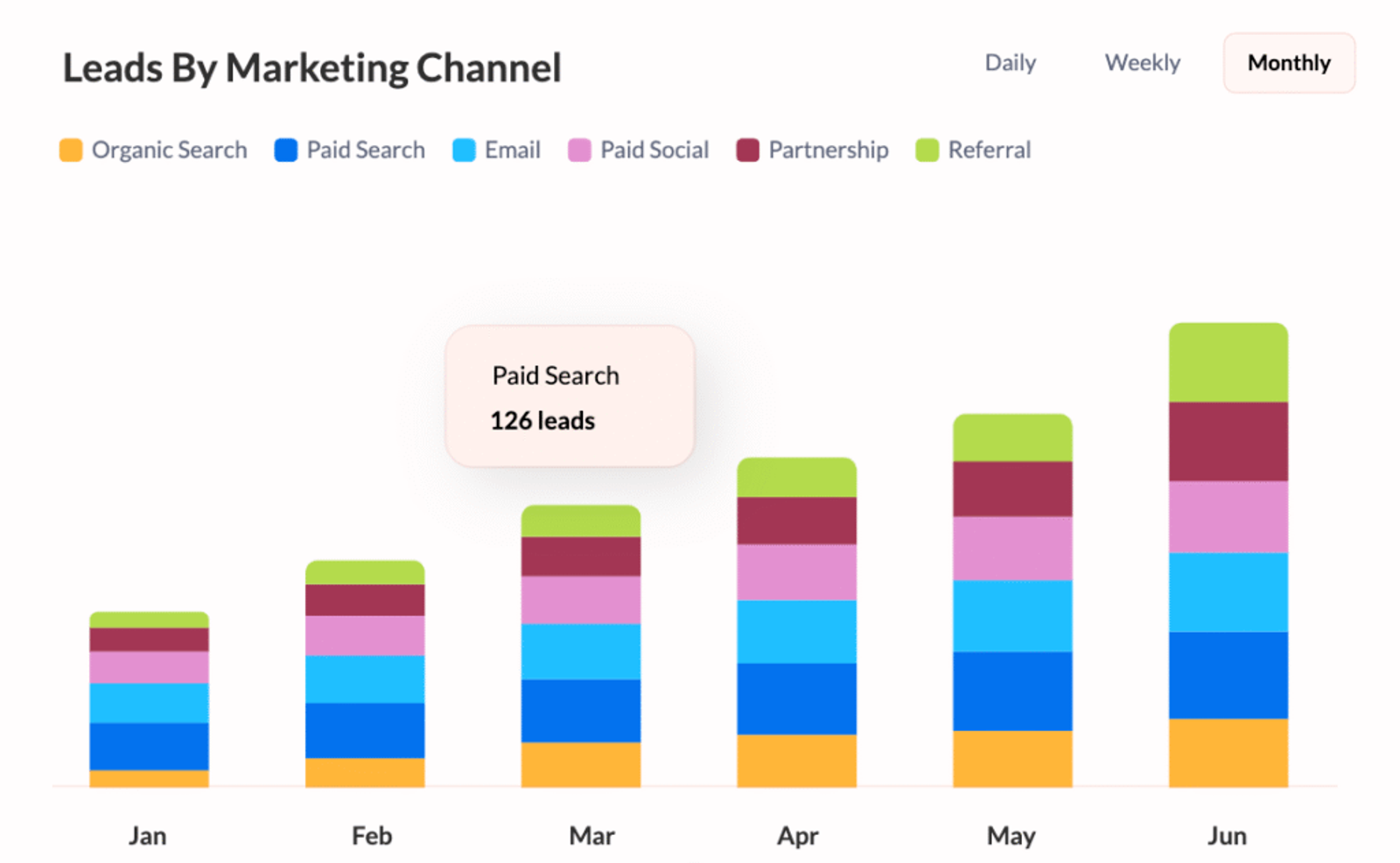
Once UTM fields are inside your CRM for every lead, you can create simple reports like:
- How many leads came from each source
- Which campaigns brought in the most revenue
- Which channels convert best (like paid ads vs. organic search)
5. Understand Customer Lifetime Value by Channel
After you start closing deals and tracking revenue, you can compare which channels bring in high-value customers.
Example:
- Customers from webinars spend $7,000/year
- Customers from Instagram spend $700/year
This helps you understand which marketing efforts are worth the most—and where to invest more budget.



 Paid Social


