
How to Track UTM Parameters in SuperOffice CRM
SuperOffice CRM UTM tracking made easy: 4 simple steps to uncover what fuels your sales pipeline
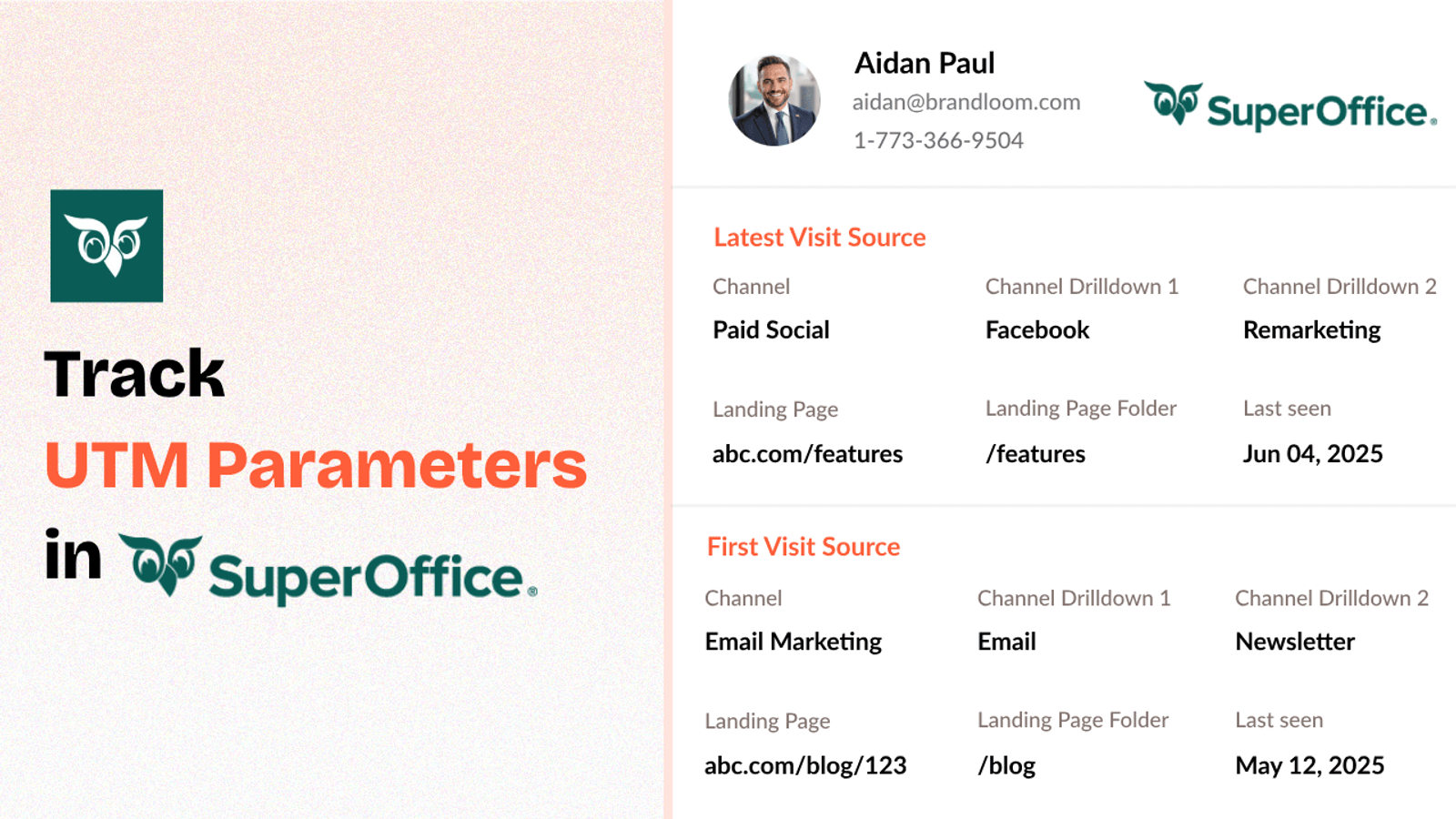
Table of contents
Not sure where your leads are coming from in SuperOffice CRM?
Without UTM tracking, it’s hard to tell which marketing efforts are actually driving leads.
In this guide, we’ll show you how to track UTM parameters in SuperOffice CRM using a no-code tool like SourceLoop—so you can see what’s bringing in leads.
Let’s get started.
4 Easy Steps to Track UTM Parameters in
SuperOffice CRM
Here are 4 simple steps to capture UTM parameters in SuperOffice CRM:
1. Install SourceLoop.ai on Your Website
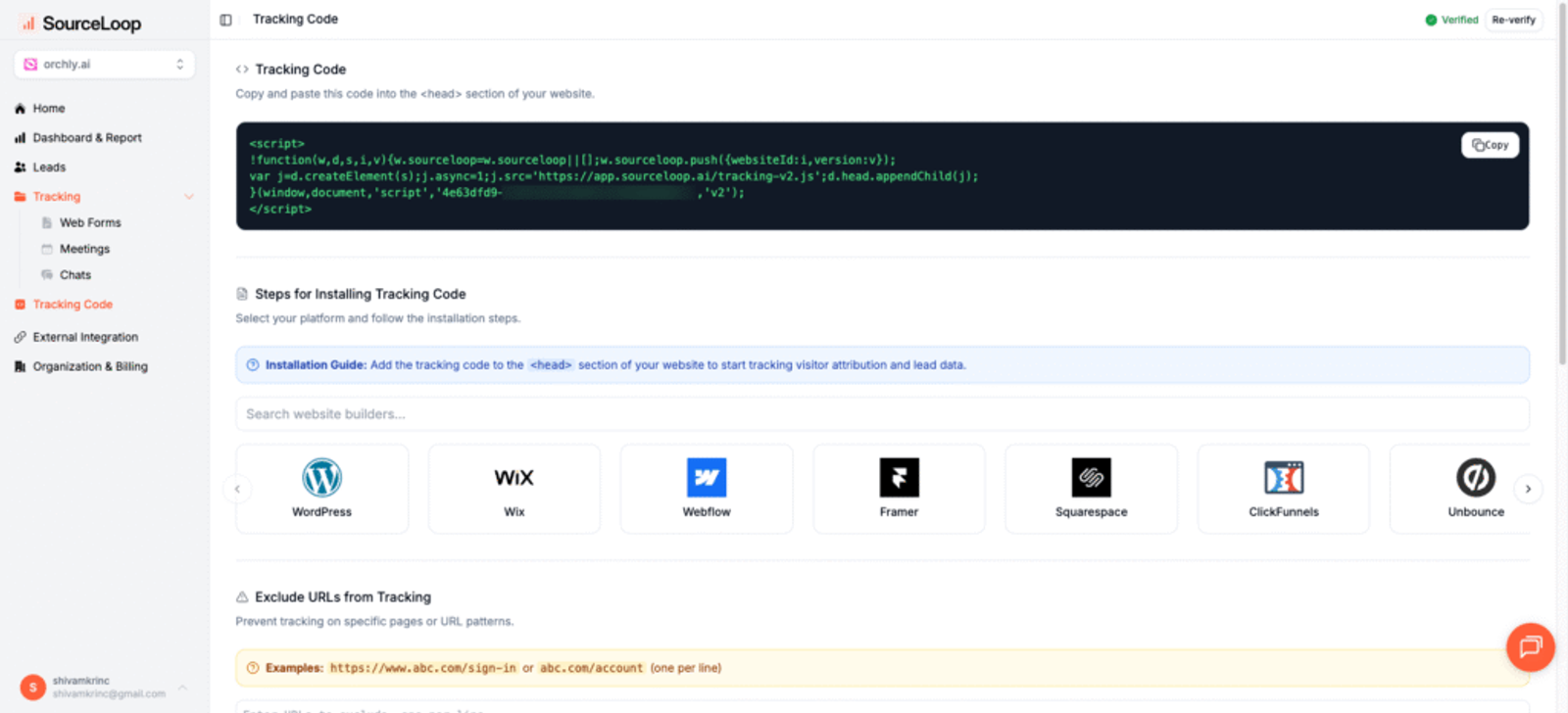
To begin tracking where leads come from, install SourceLoop on your website:
- Create a free account at SourceLoop.ai.
- After signup, you’ll receive a tracking script.
- Simply add this snippet to the
<head>section of your website or tag manager.
Once installed, SourceLoop automatically starts collecting UTM parameters, referrer data, and landing page info for every visitor.
Once added, SourceLoop automatically captures UTM parameters from every URL visit—no matter if the visitor came from paid ads, social media, partner website, or anywhere else.
Example:
Let’s say you work in marketing for a web design agency.
You launch a multi-channel campaign to promote a free website audit for small businesses.
A user searches “how to improve website speed,” sees your Google ad, and clicks this link:
https://www.youragency.com/free-audit?utm_source=google&utm_medium=cpc&utm_campaign=sme-audit&utm_term=website_speed
SourceLoop will capture:
- Channel: Paid Search
This visit came from a paid search campaign. - Channel Drilldown 1: Google
Fromutm_source=google. - Channel Drilldown 2: sme-audit
Identifies the specific campaign promoting audits for small businesses. - Channel Drilldown 3: website_speed
Tells you what the user was searching for before they clicked. - Landing Page:
https://www.youragency.com/free-audit
The page that convinced them to take action. - Landing Page Folder: audit
Useful for reporting on high-performing content categories. - Last Seen: May 13, 2025
The last time they visited your website.
2. Add UTM Parameters to Every Marketing Link
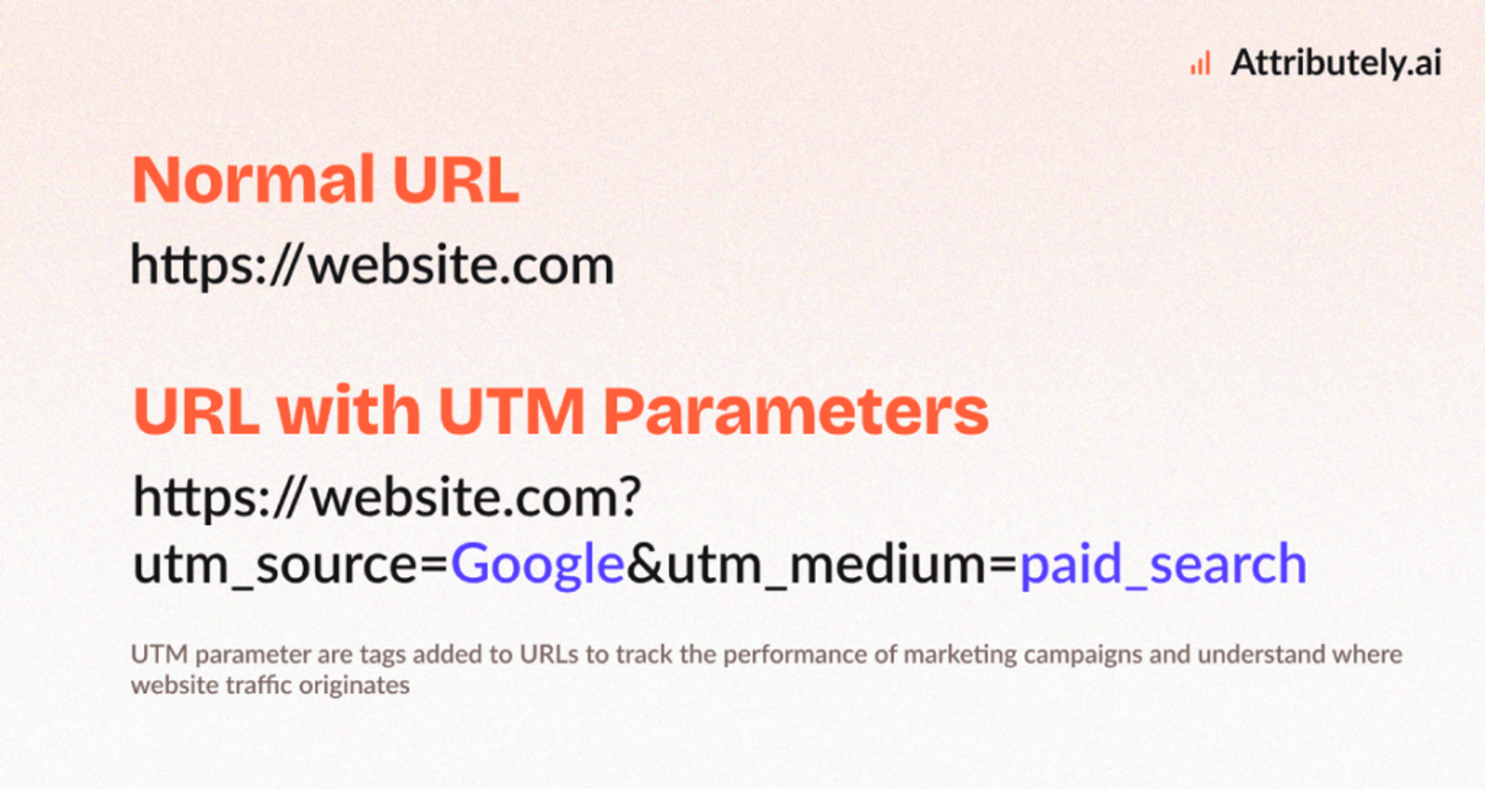
To make attribution work, the links people use to visit your site need to have UTM parameters.
UTM parameters are just plain simple tags that you add to your site links that tell you how someone discovered your website.
When your links are tagged correctly, SourceLoop captures that source, stores it in a cookie, and passes it into your lead form when someone converts.
Examples of UTM-Tagged URLs
For a Google Search Ad:
https://yourwebsite.com/demo?utm_source=google&utm_medium=cpc&utm_campaign=demo_signup_q2
For a LinkedIn Sponsored Post:
https://yourwebsite.com/webinar?utm_source=linkedin&utm_medium=paid&utm_campaign=webinar
For a Monthly Email Newsletter:
https://yourwebsite.com/blog?utm_source=newsletter&utm_medium=email&utm_campaign=may_digest
Resources: How to Create & Use UTM Tracking URLs
3. Add Hidden Fields to Your Lead Form
Forms like demo, meeting bookings, contact pages, or gated content are usually how you collect inbound leads.
To track where those leads came from, you’ll need to add a few hidden fields to your form to capture UTM data.
Most form builders let you add hidden fields easily. These fields aren’t visible to users, but when someone clicks “Submit,” the data collected by SourceLoop is sent along with the form.
Recommended hidden fields value that SourceLoop.ai supports:
channelchanneldrilldown1channeldrilldown2channeldrilldown3landingpagelandingpagefolderlastseen
Optional: Capture First-Touch Attribution & Find How a Lead First Discovered Your Website
Let’s say a user submits a contact form today, but they actually discovered you two weeks ago through an industry webinar ad on LinkedIn.
So, If you only track the last visit, that contact appears to be “Direct Traffic”—but you’d be missing the true acquisition channel: LinkedIn Ads.
Thus, you can add the following extra hidden fields to your forms to track the very first time a user visited your site and where they came from:
firstseenfirst_channelfirst_channeldrilldown1first_channeldrilldown2first_channeldrilldown3first_landingpagefirst_landingpagefolder
4. Automatically Sync UTM Data with SuperOffice CRM
That’s it.
When someone submits a form on your site, SourceLoop sends the UTM and attribution data along with their contact details.
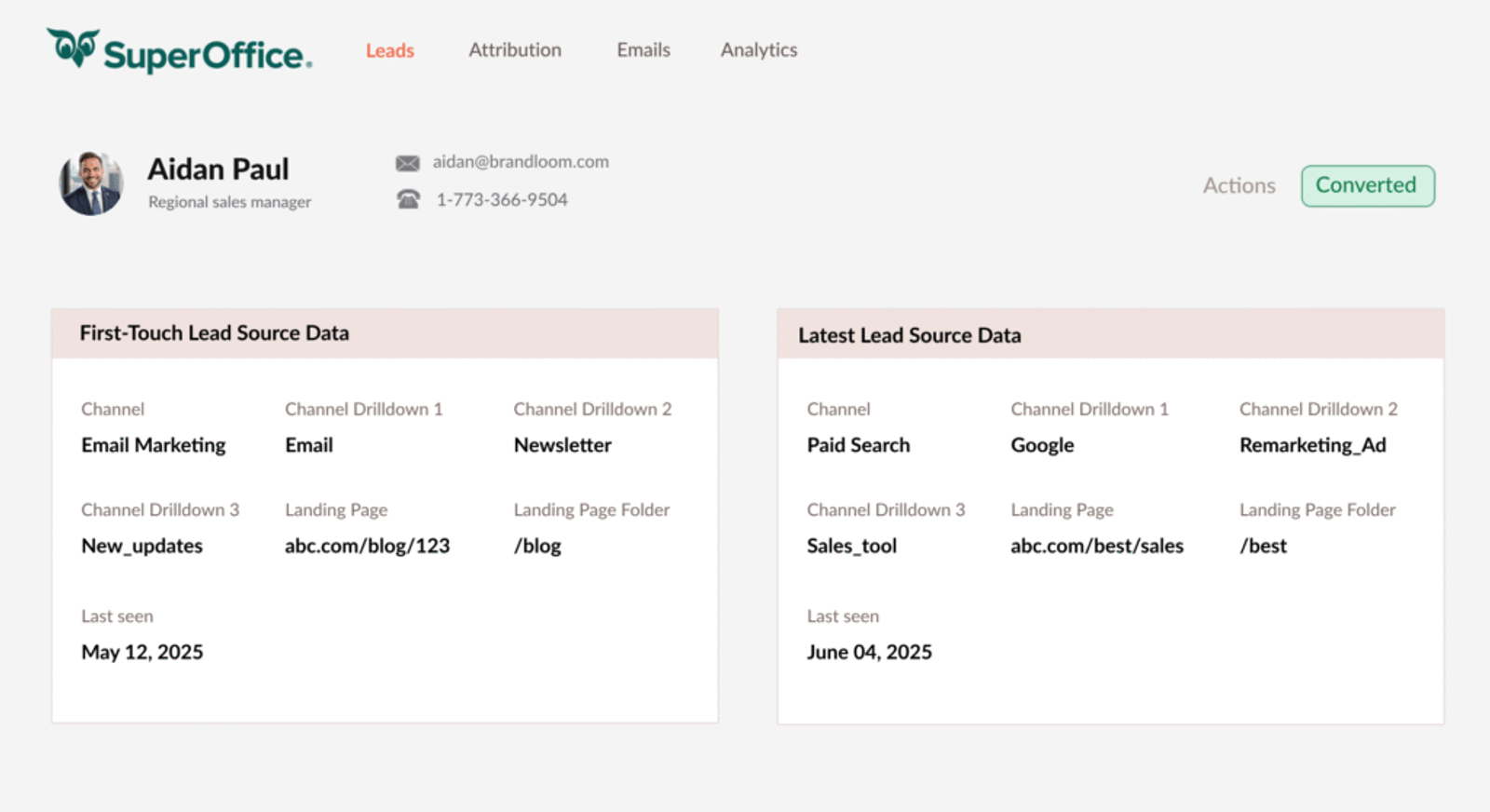
How this data gets into SuperOffice CRM depends on how your form is connected:
- Using SuperOffice‘s built-in forms: Map hidden fields directly to CRM fields.
- Using third-party forms (like Gravity Forms, Typeform, or Webflow): Use tools like Zapier or Make.com to send the data.
- Using custom forms: Set up a webhook to push the data straight into SuperOffice in real time.
What You Can Do with UTM Data in SuperOffice CRM
Now that UTM tracking is live and flowing into your CRM, here’s what you can do:
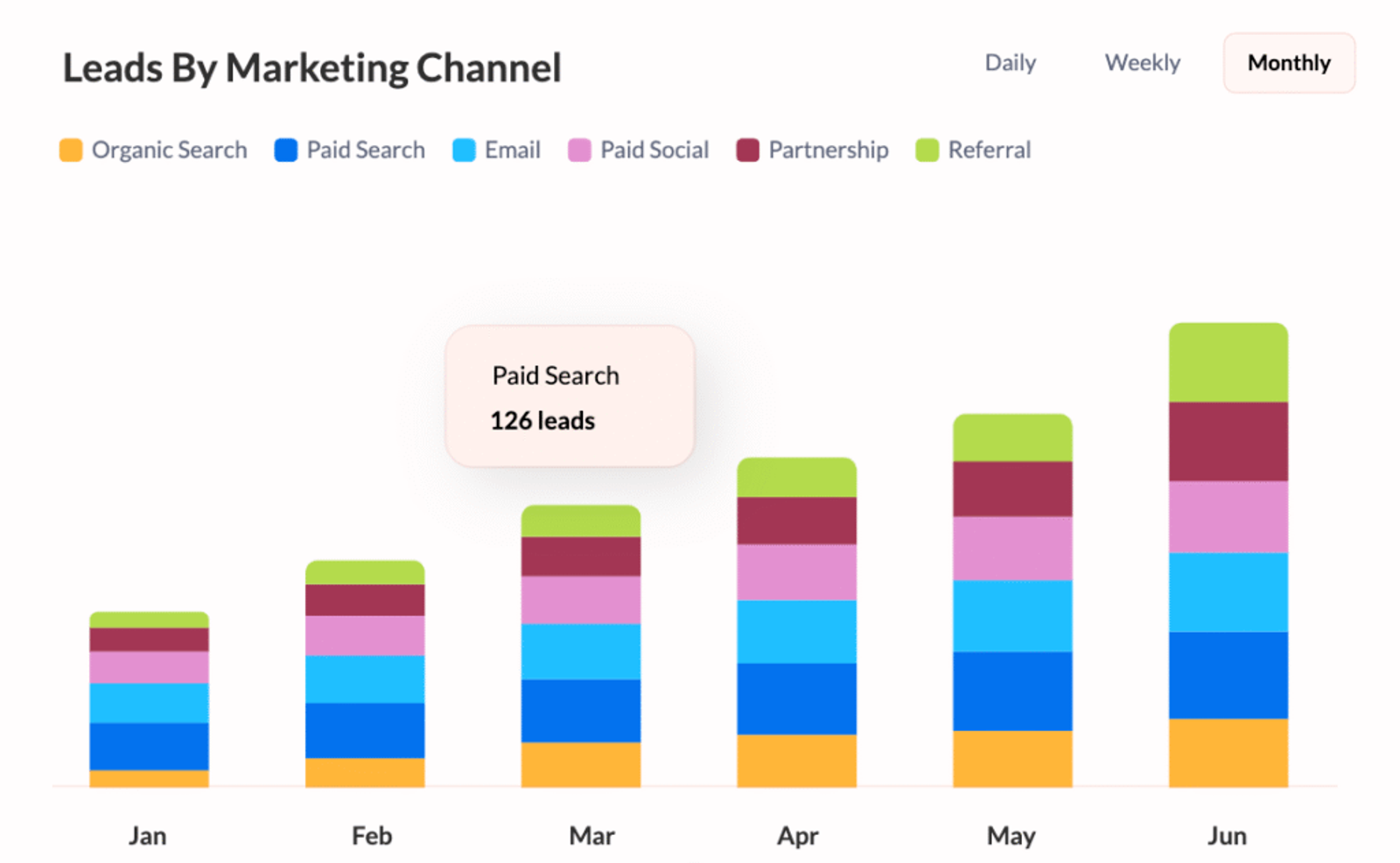
1. Know Which Marketing Channels Actually Work
Let’s say you’re running campaigns on:
- Facebook Ads
- Email Newsletters
- Google Search Ads
If you’re just looking at form fills, they might all look the same. But UTM data shows the quality behind the quantity.
For example:
- 40 leads came from Facebook, but only 2 became customers
- 12 leads came from newsletters, and 6 converted
2. Group Leads by Campaign or Source for Targeted Follow-Up
Let’s say you’re launching a new product.
With UTM data in your CRM, you can filter and follow up with only the leads who:
- Clicked on your product launch ad
- Attended a specific webinar
- Came through a referral program
So, instead of sending generic follow-up emails, your team can craft messages that speak directly to what the lead has already seen or shown interest in.
Example: “Thanks for attending our April webinar — here’s an exclusive early access link to the product you previewed.”
3. Route Leads to the Right Sales Rep Automatically
If your business has multiple sales reps or regional teams, UTM data can help automate lead assignment.
Example:
- Leads from LinkedIn Ads promoting your enterprise plan get assigned to your Enterprise Sales team.
- Leads from local Google Ads campaigns get routed to regional reps.
This allows a more faster and relevant followup which can translate into higher conversion rate and better lead experience.
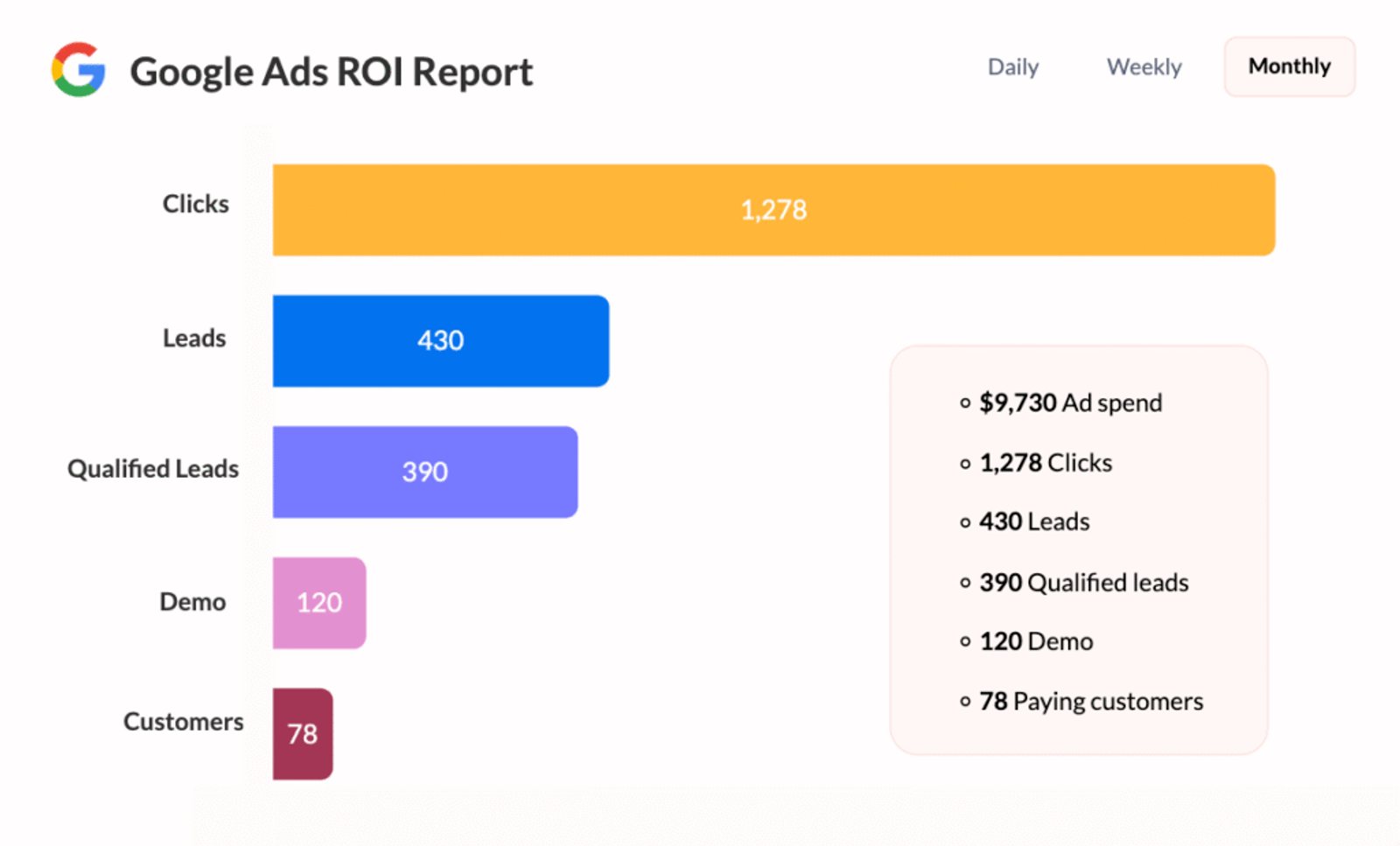
4. Create Simple Reports to Track Campaign ROI
You don’t need to be a data analyst. Once UTM fields are inside SuperOffice, you can build basic reports like:
- Leads by source
- Revenue by campaign
- Conversion rate by traffic type (e.g., organic, paid, referral)
5. Understand Customer Lifetime Value by Channel
Once you close deals and have customer revenue data in SuperOffice, you can compare customer value by acquisition source.
Example:
- Customers from webinars spend $8,000/year
- Customers from Instagram spend $1,500/year
This can be one of the best way to understand the predicted lifetime value of each marketing dollar you spend on a campaign.



 Paid Social


