
11 Best SegMetrics Alternatives: Compared for 2026
Eleven SegMetrics alternatives compared on price, features, and the kind of business each one fits.
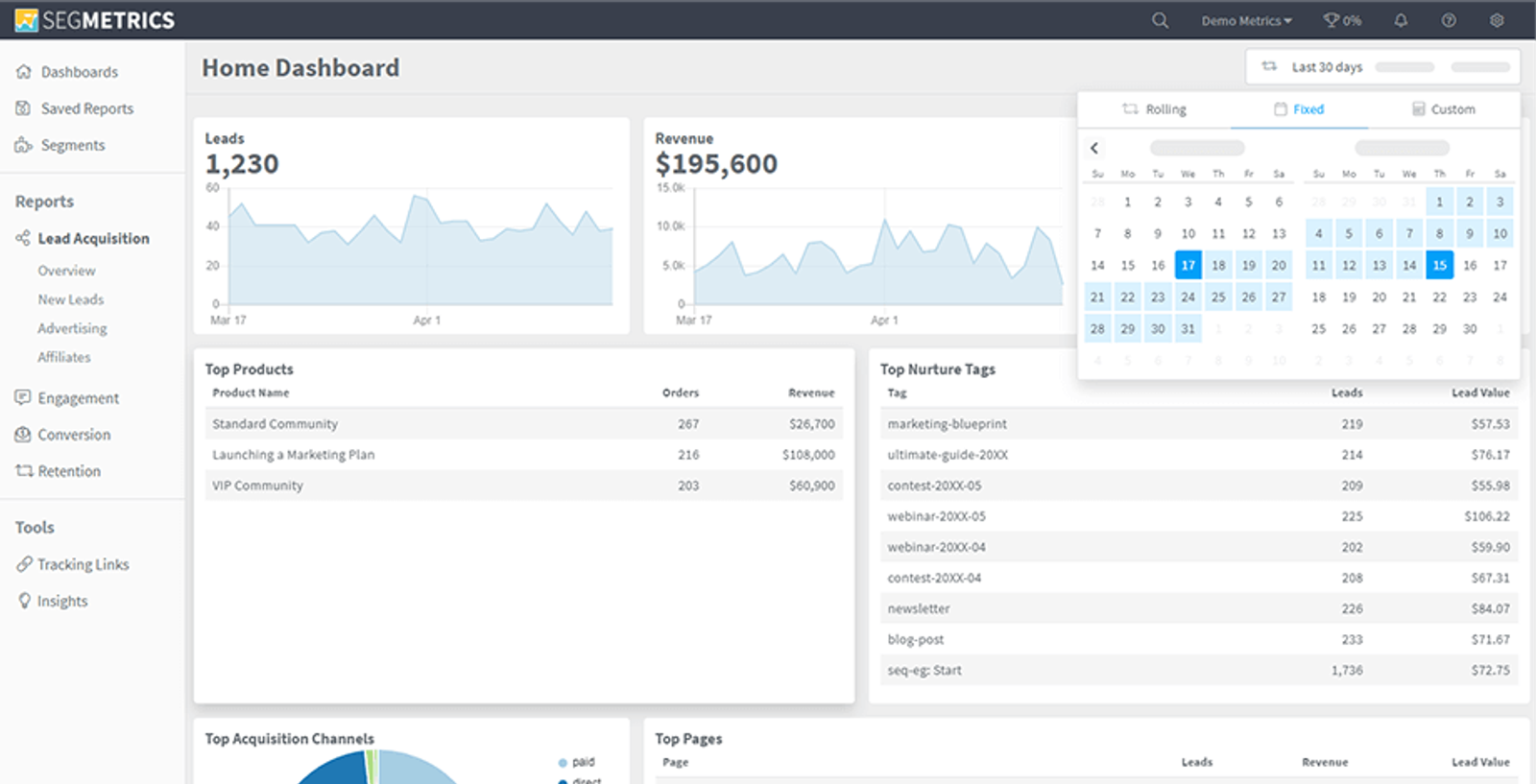
Table of contents
- SegMetrics Alternatives Quick Comparison
- 1. SourceLoop
- What the tracking script captures
- Sending conversions to ad platforms
- Attribution models and journeys
- Contacts Hub and CRM sync
- Pricing compared
- Key capabilities
- Limitations
- 2. Hyros
- Key capabilities
- 3. Triple Whale
- Key capabilities
- 4. Northbeam
- Key capabilities
- 5. Wicked Reports
- Key capabilities
- 6. Cometly
- Key capabilities
- 7. ThoughtMetric
- Key capabilities
- 8. RedTrack
- Key capabilities
- 9. Attribution.app
- Key capabilities
- 10. Dreamdata
- Key capabilities
- 11. HubSpot Marketing Analytics
- Key capabilities
- How to choose the right SegMetrics alternative
SegMetrics is a solid attribution tool, especially if your business runs on email.
Plenty of teams still hit a wall with it. The starting price puts off smaller operators.
Some funnels don't sit cleanly inside the model. Others want stronger ad-side reporting or a tool that fits B2B sales cycles instead of email sequences.
Here are eleven SegMetrics alternatives worth comparing in 2026.
SegMetrics Alternatives Quick Comparison
Skim the table first. Pricing, the area each tool is strongest in, and the kind of business it suits.
| Tool | Starting price | Strength | Best fit |
|---|---|---|---|
 SourceLoop Top pick SourceLoop Top pick |
$49/mo | Journey + ad attribution + CRM sync | B2B and SaaS with long cycles |
 Hyros Hyros |
~$230/mo | Long-cycle attribution + call tracking | Coaches, courses, info products |
 Triple Whale Triple Whale |
~$129/mo | Native Shopify reporting | DTC ecom on Shopify |
 Northbeam Northbeam |
~$1,000/mo | MTA + marketing mix modeling | Mid-to-large ecom brands |
 Wicked Reports Wicked Reports |
~$250/mo | LTV and cohort attribution | Subscription DTC |
 Cometly Cometly |
Custom | Server-side + AI suggestions | Performance marketers |
 ThoughtMetric ThoughtMetric |
$99/mo | Multi-platform ecom | Mid-size brands off Shopify |
 RedTrack RedTrack |
$149/mo | Affiliate + media buyer tracking | Affiliate networks |
 Attribution.app Attribution.app |
Free / $99+ | Cheap multi-touch | Smaller teams |
 Dreamdata Dreamdata |
Free / $999+ | Salesforce attribution | B2B SaaS on Salesforce |
 HubSpot Marketing Analytics HubSpot Marketing Analytics |
From $890/mo | Built into HubSpot | Existing HubSpot Marketing Hub users |
1. SourceLoop
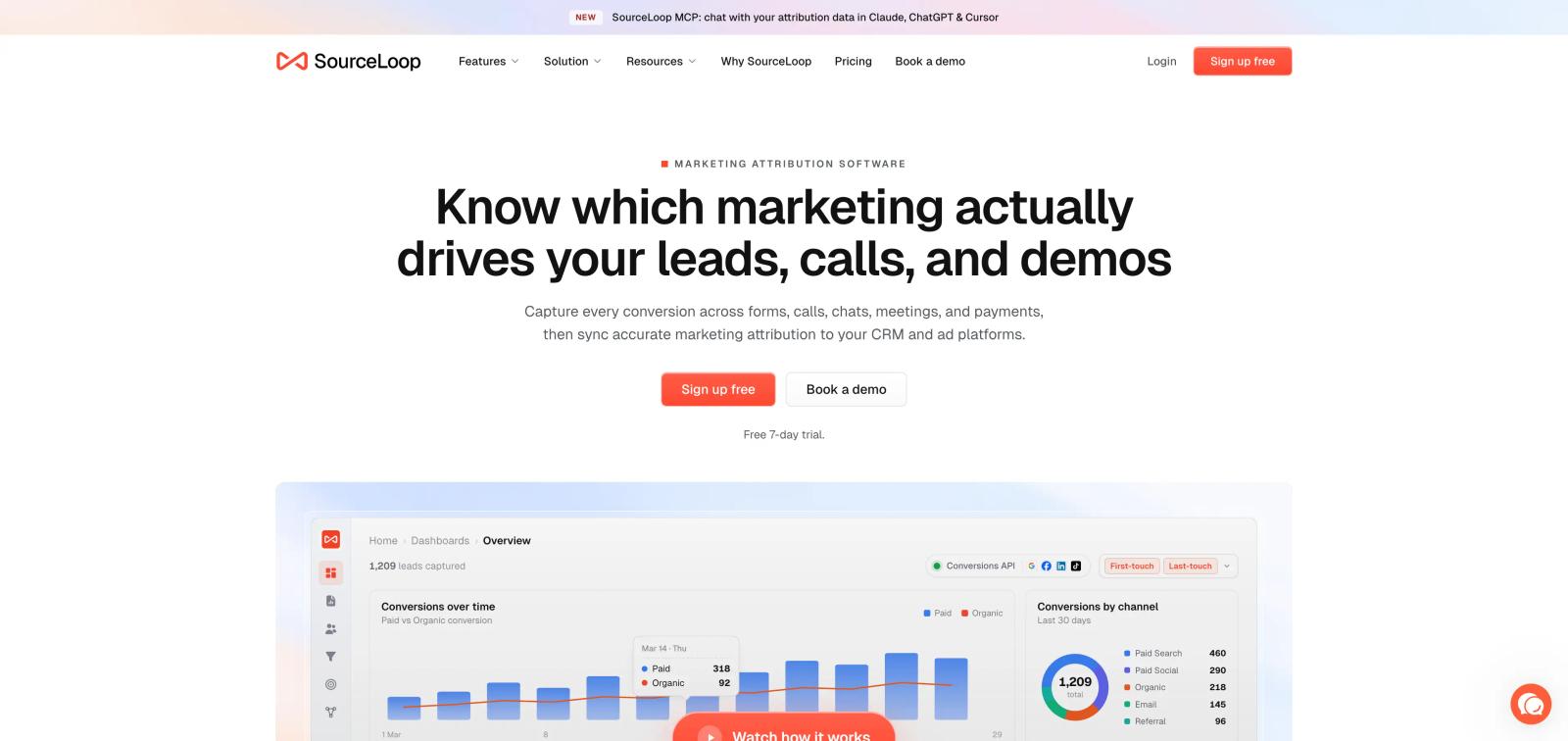
SegMetrics and SourceLoop overlap, but they are shaped for different funnels.
SegMetrics grew up around email. Its integration list leans heavily on nurture sequences, course platforms and webinars, and it is very good at telling you which email touch moved someone.
SourceLoop is built for funnels where the conversion is a demo booking, a phone call, or a stage change in a CRM.
If your revenue comes from a list, SegMetrics is the better fit. If it comes from sales conversations, keep reading.
What the tracking script captures
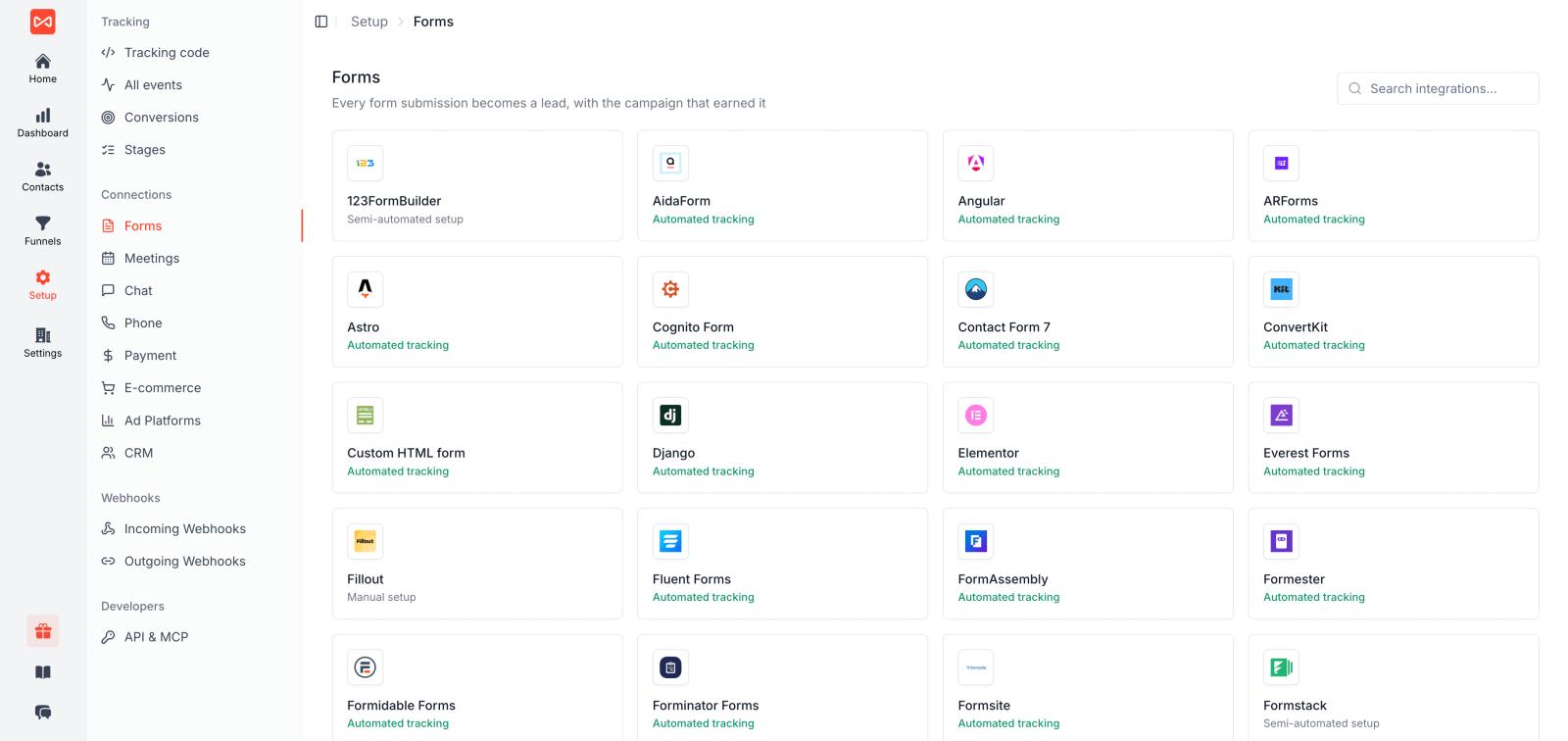
One script, and every visitor gets a first-party session: referrer, landing page, UTMs and the ad platform's click ID.
Nine click IDs are read, and they are read before the referrer. That ordering is what keeps a Google Ads click on iOS Safari out of the Direct bucket after the referrer gets stripped.
Conversions arrive from around 70 tools with no event code:
- Meetings: Calendly, Cal.com, HubSpot Meetings, Chili Piper, TidyCal, YouCanBookMe, Zoho Bookings
- Forms: Gravity Forms, WPForms, Contact Form 7, Typeform, Tally, Jotform, Webflow, Framer, HubSpot Forms
- Chat: Intercom, Drift, Crisp, Tidio, LiveChat, Zendesk Chat
- Calls: CallRail, CallTrackingMetrics, Invoca
- Payments: Stripe, Paddle, Polar, Lemon Squeezy, Dodo Payments
Sending conversions to ad platforms
SegMetrics does send offline conversions to Meta and Google. It batches purchases from the previous day and sends them each morning.
That works well when the conversion is a purchase. It works less well when it is a lead that becomes a deal eleven weeks later.
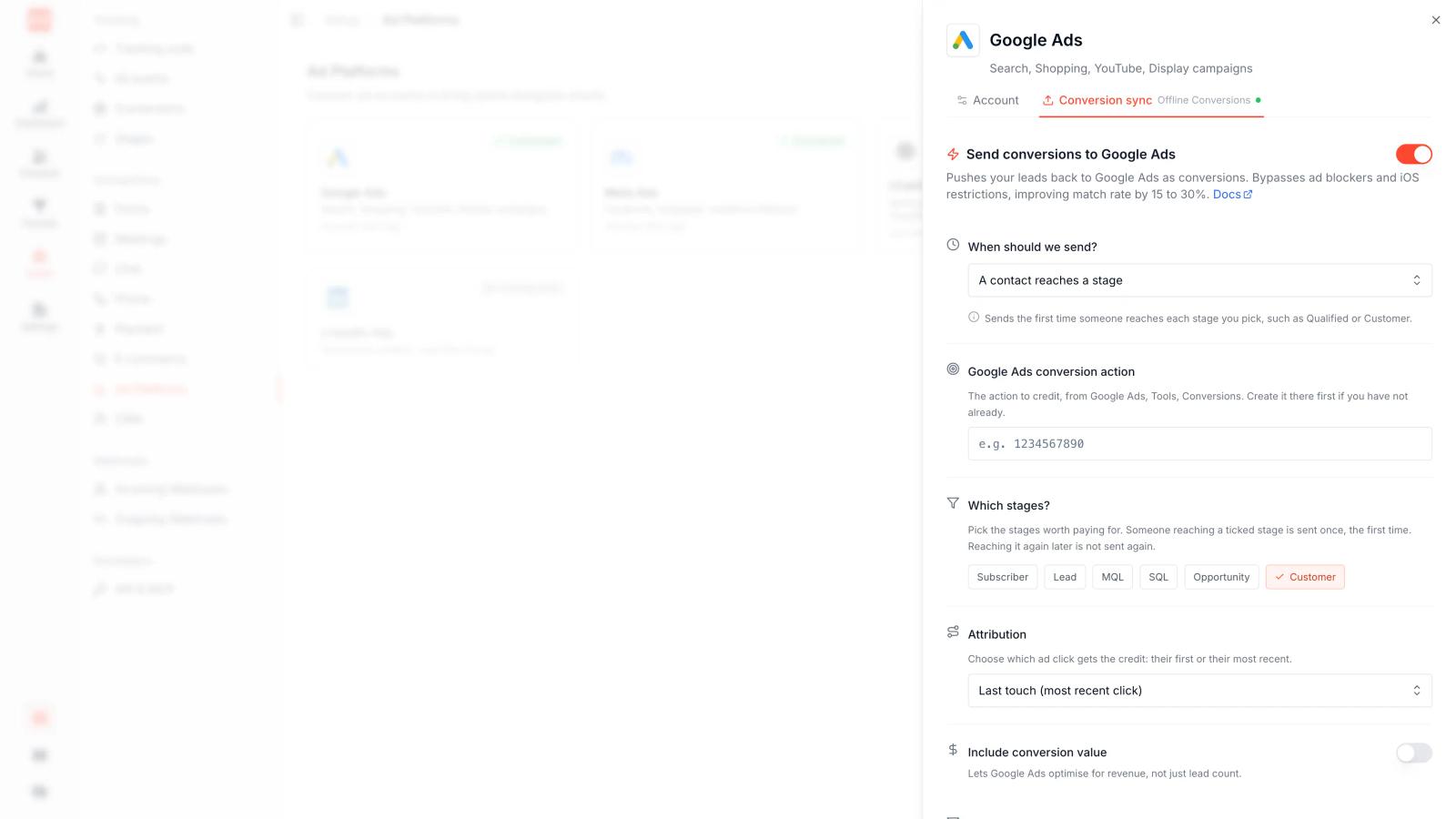
SourceLoop maps conversions per event instead.
You pick the trigger: a new conversion, an expected revenue change, or realised revenue confirmed by a payment. You can filter to one source, choose whether the platform learns from first or last touch, and set the value from your CRM's quote value or actual sales figure.
Delivery covers Google, Meta, LinkedIn, Microsoft, TikTok, Pinterest and Reddit, on a two-minute flush rather than a daily batch.
LinkedIn and Microsoft are the two that matter most here. Neither is on SegMetrics' list, and for B2B they are often where the budget sits.
Attribution models and journeys
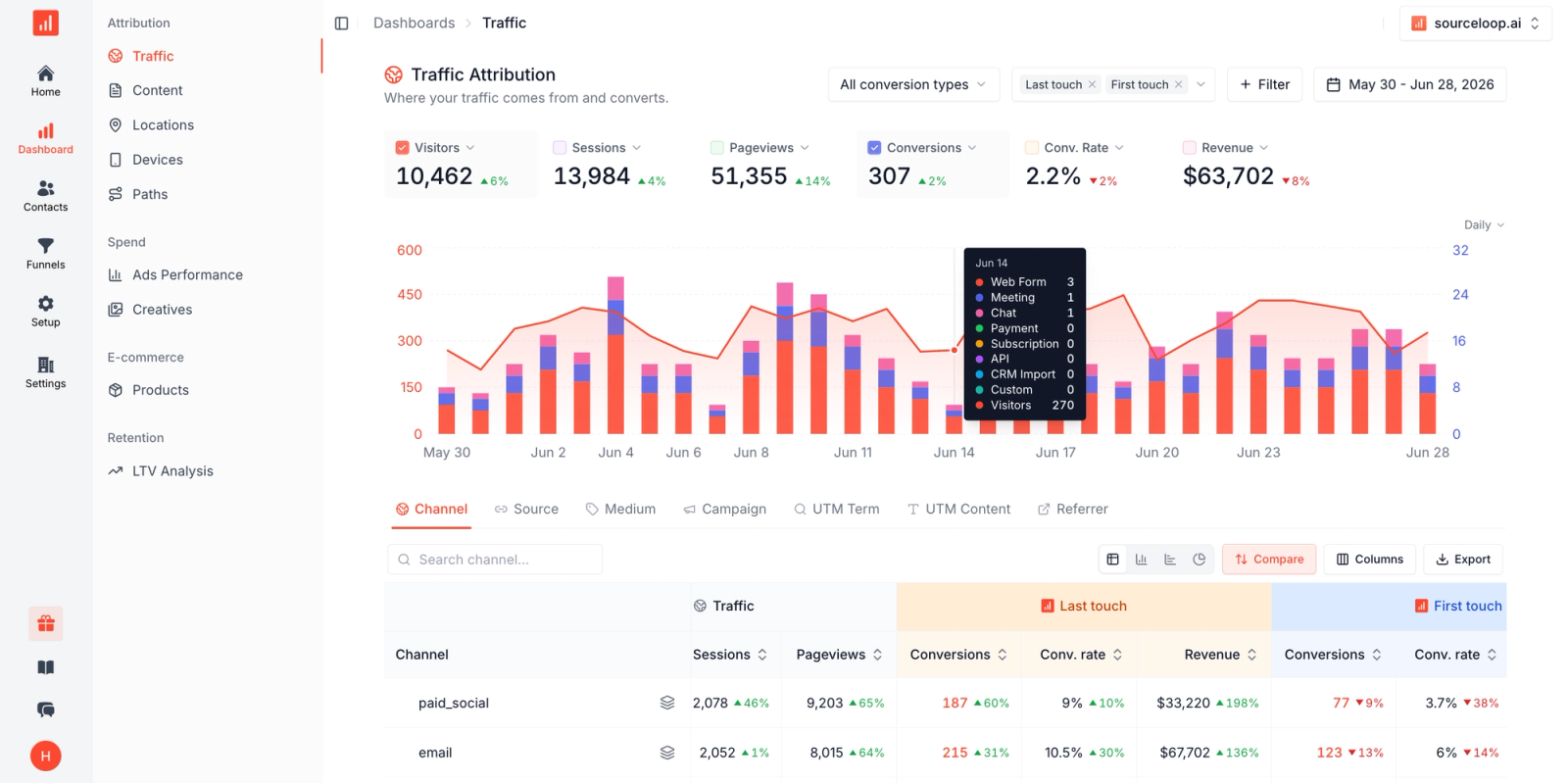
Seven attribution models, all on the entry plan: first touch, last touch, linear, position-based, time decay, first non-direct and last non-direct.
They run on one stored journey, so switching between them is a dropdown.
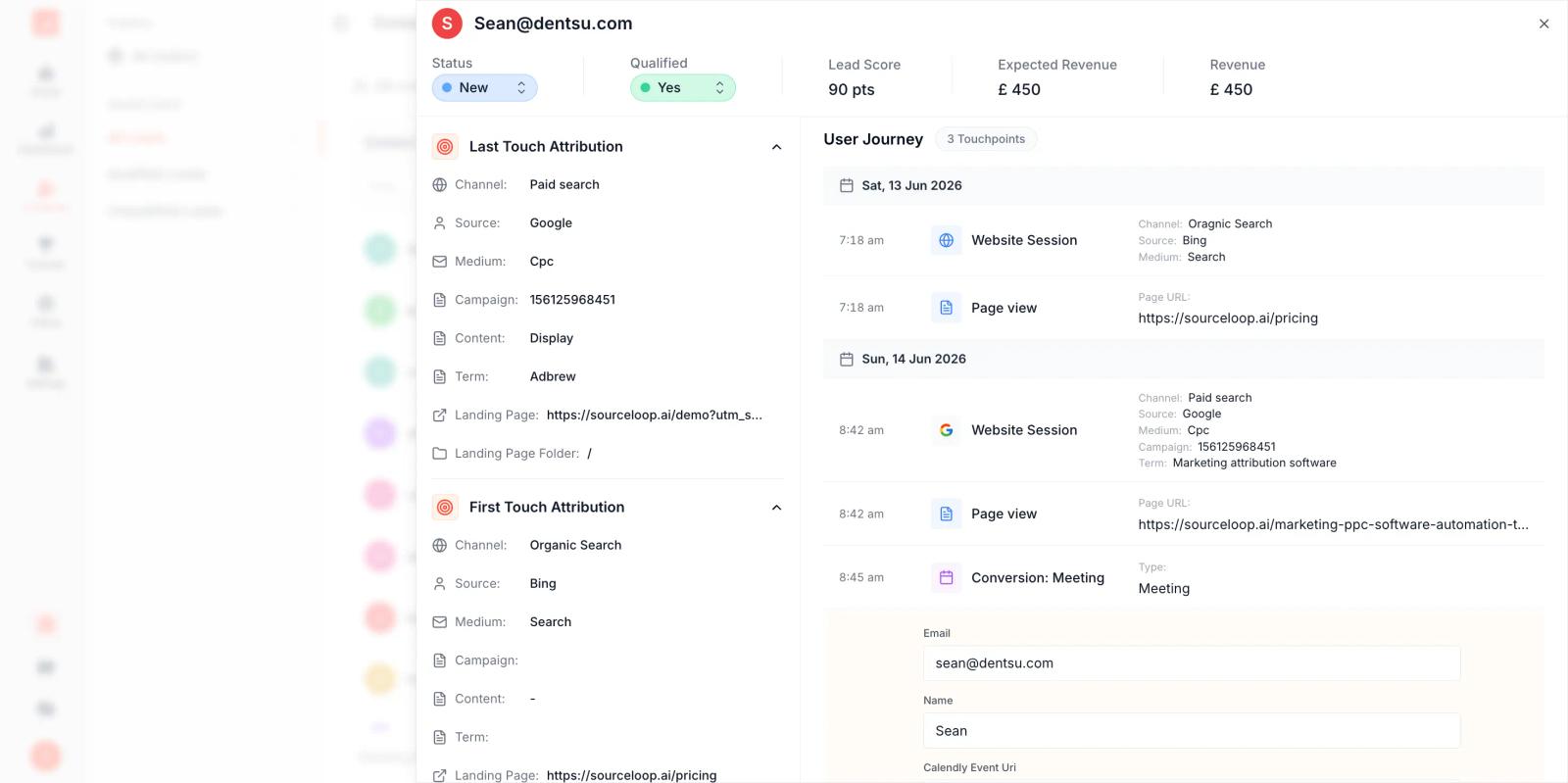
Every contact has a timeline behind it. Each session in order, how they arrived, what they read, and which visit converted.
Contacts Hub and CRM sync
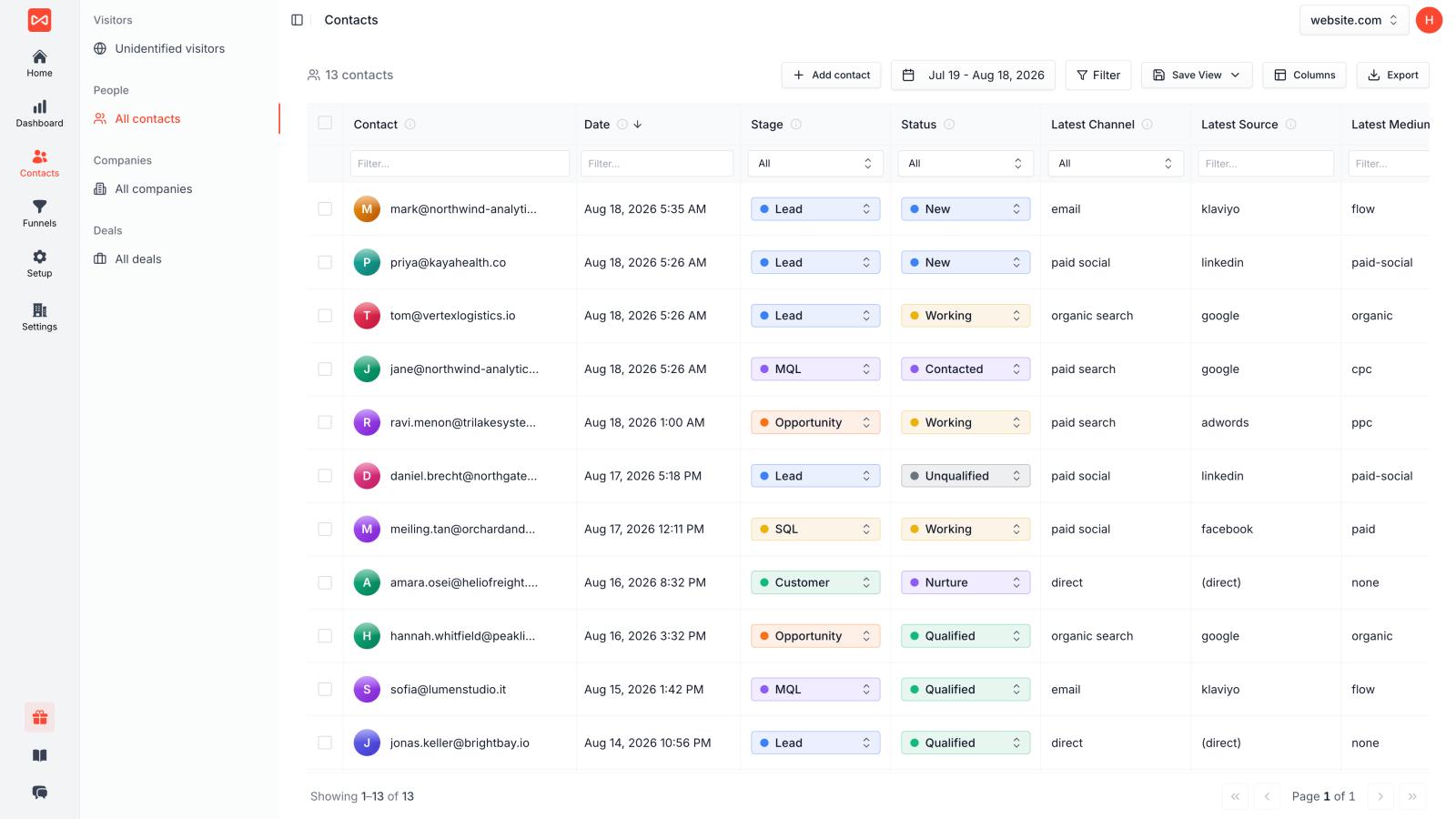
One row per real person after identity stitching merges their devices and sessions.
Source, campaign, CRM status and booked revenue sit on the row. It filters and it exports.
CRM sync runs both ways with HubSpot, Salesforce, Pipedrive and Zoho. Attribution fields go onto the record, and deal stages and closed-won values come back.
Pricing compared
SegMetrics starts at $57/mo on Launch, then $197/mo on Grow and $397/mo on Scale.
SourceLoop is $49/mo on Essential, $99/mo on Professional and $249/mo on Business. The Professional-versus-Grow comparison is the one most teams actually face.
Setup is the other cost. SegMetrics rewards a dedicated ops person who understands the full data model. SourceLoop is a script and a couple of OAuth connections.
Key capabilities
- Nine click IDs stored per session and per contact, read ahead of the referrer
- Around 70 form, meeting, chat, call and payment tools captured with no event code
- Seven attribution models on every plan, switchable without re-tagging
- Per-event conversion sync to seven ad platforms, including LinkedIn and Microsoft
- Two-way CRM sync with HubSpot, Salesforce, Pipedrive and Zoho
- Revenue stitched from Stripe, Paddle, Polar, Lemon Squeezy and Dodo Payments
- Page-level content attribution and path sequence analysis
- MCP server and REST API for querying attribution from an AI agent or a script
- Published pricing, 7-day trial, no card and no demo call
Limitations
- Lighter on email touch attribution. If your funnel runs almost entirely through ConvertKit, Drip or Ontraport, SegMetrics goes deeper.
- No native call tracking of its own. It reads CallRail, CallTrackingMetrics and Invoca, but does not replace them.
- Not built for high-velocity Shopify ecom. Triple Whale fits that shape better.
- No marketing mix modelling and no incrementality testing.
- Tracked conversions are unlimited on every plan, but the entry tier covers 30k page views a month, so a high-traffic site starts at Professional.
Pricing: Essential $49/mo covers 1 site, 1 user and 30k page views a month. Professional $99/mo adds 3 users and 100k page views. Agency $249/mo covers 3 sites, unlimited users and 2.5M page views. Tracked conversions are unlimited on every plan, annual billing takes 25% off, and there is a 7-day trial with no card.
Best for: B2B, SaaS and agency teams whose conversions are bookings and calls rather than email-driven purchases, and anyone who needs LinkedIn or Microsoft in the conversion sync.
Create a free SourceLoop account →
2. Hyros
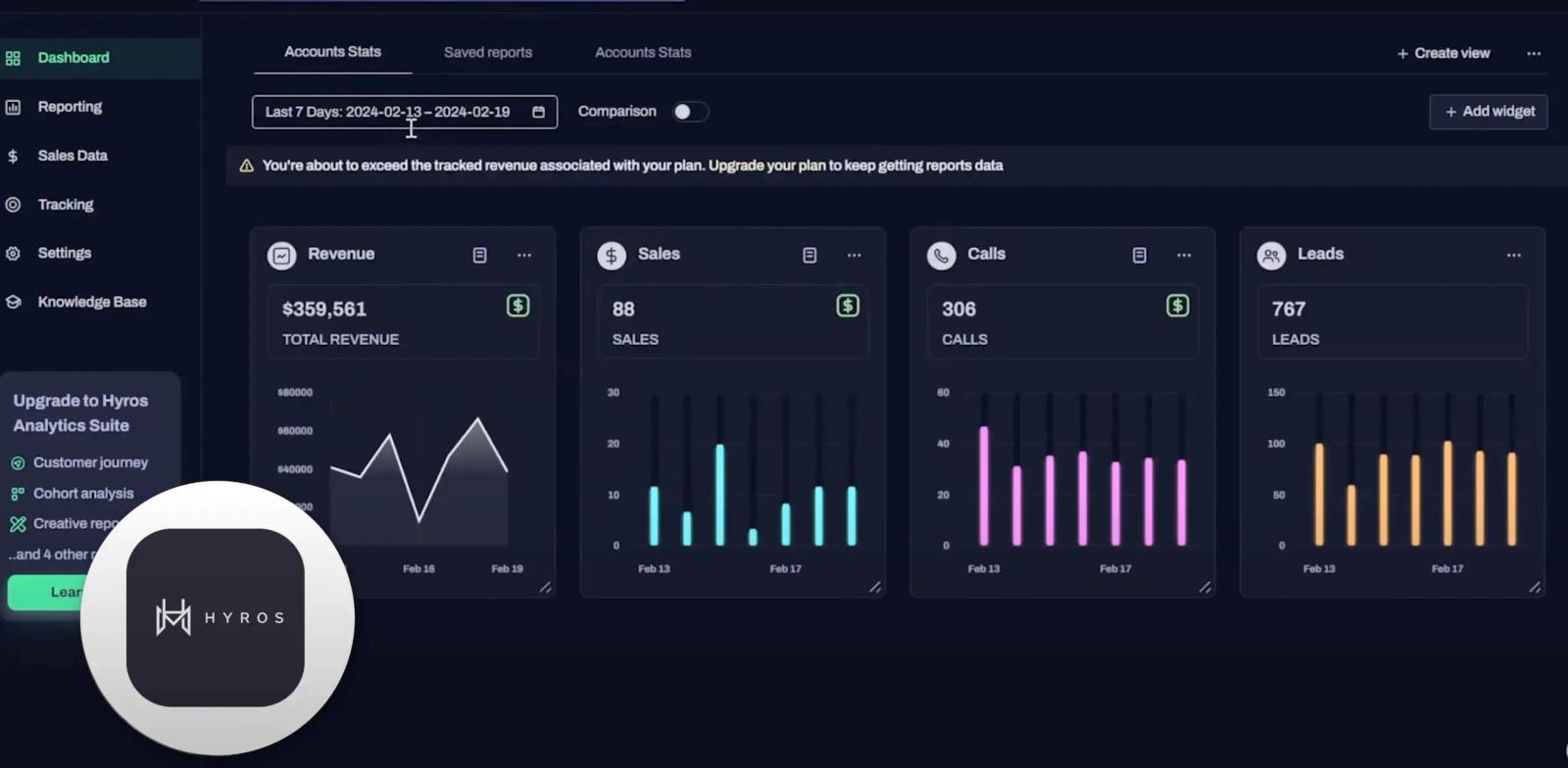
Hyros is the loudest name in the attribution space, and the one most people considering SegMetrics also weigh up.
It's built for high-ticket info products, coaches, and course creators with long sales cycles. Server-side tracking, conversion sync to Meta and Google, and a strong call-tracking layer for businesses that close on the phone.
The downside is the price and the gate. The cheapest plan starts around $230 a month and the only way to see real numbers is to book a demo. For a one-person consultancy or a small agency, that's a long road to a yes or no.
Key capabilities
- Server-side tracking that survives ad blockers, browser changes, and the iOS privacy updates that knee-capped pixel tools.
- Native call tracking. Useful for any funnel that closes on the phone.
- Sync of long-cycle conversions back to Meta, Google, and TikTok so the algorithms optimise on closed deals, not lead forms.
- Strong reporting for high-ticket sales pipelines, including refunds and rebills.
Pricing: From around $230/month, demo required.
Best for: Coaches, course creators, and info products with phone-close sales motions.
3. Triple Whale
If you ended up on SegMetrics for a Shopify store, Triple Whale is usually the better fit.
It was built for Shopify from day one. Setup is short, profit reporting factors in COGS and shipping automatically, and the Triple Pixel is server-side. The team behind it lives in DTC ecom, not info products, and that shows everywhere in the product.
Where SegMetrics goes deep on email, Triple Whale goes deep on creative. Ad-level analytics, product-level profit, and an AI assistant that answers performance questions in plain English.
Key capabilities
- Native Shopify integration, with data showing up in minutes.
- Profit reporting by channel, campaign, and product, including COGS and shipping.
- Creative-level analytics for teams testing ads at volume.
- Moby AI assistant for ad-hoc questions in plain English instead of dashboard archaeology.
Pricing: From around $129/month, scaling with revenue.
Best for: Shopify DTC brands.
4. Northbeam
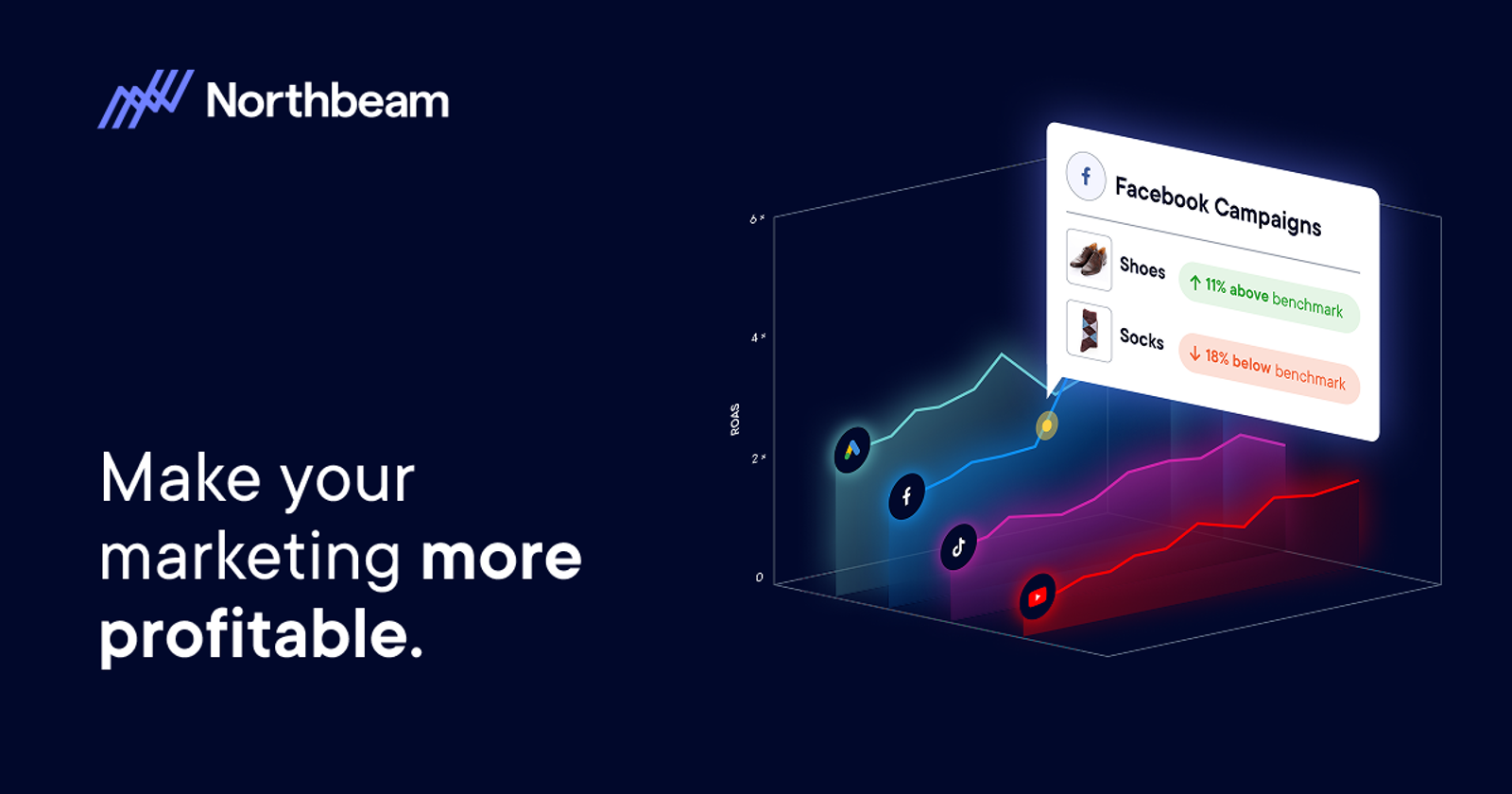
Northbeam is a step up in sophistication and price.
It combines multi-touch attribution with marketing mix modeling, which means you can run "what if I cut brand search by 20%" scenarios on top of normal day-to-day reporting. It supports Shopify, WooCommerce, and Magento, and it's strong on harder channels like CTV and podcast.
It's not a starter tool. Pricing begins around $1,000 a month and onboarding takes a few weeks. But if SegMetrics felt narrow and your ad budget runs into six figures a month, this is what teams graduate to.
Key capabilities
- Multi-touch attribution and marketing mix modeling in one tool, so daily campaign decisions and quarterly planning live in the same place.
- Cross-platform ecom support across Shopify, WooCommerce, and Magento.
- Predictive forecasting for budget scenarios.
- Strong CTV and podcast attribution, channels most tools struggle with.
Pricing: From around $1,000/month.
Best for: Mid-to-large ecom brands with diverse channel mixes.
5. Wicked Reports
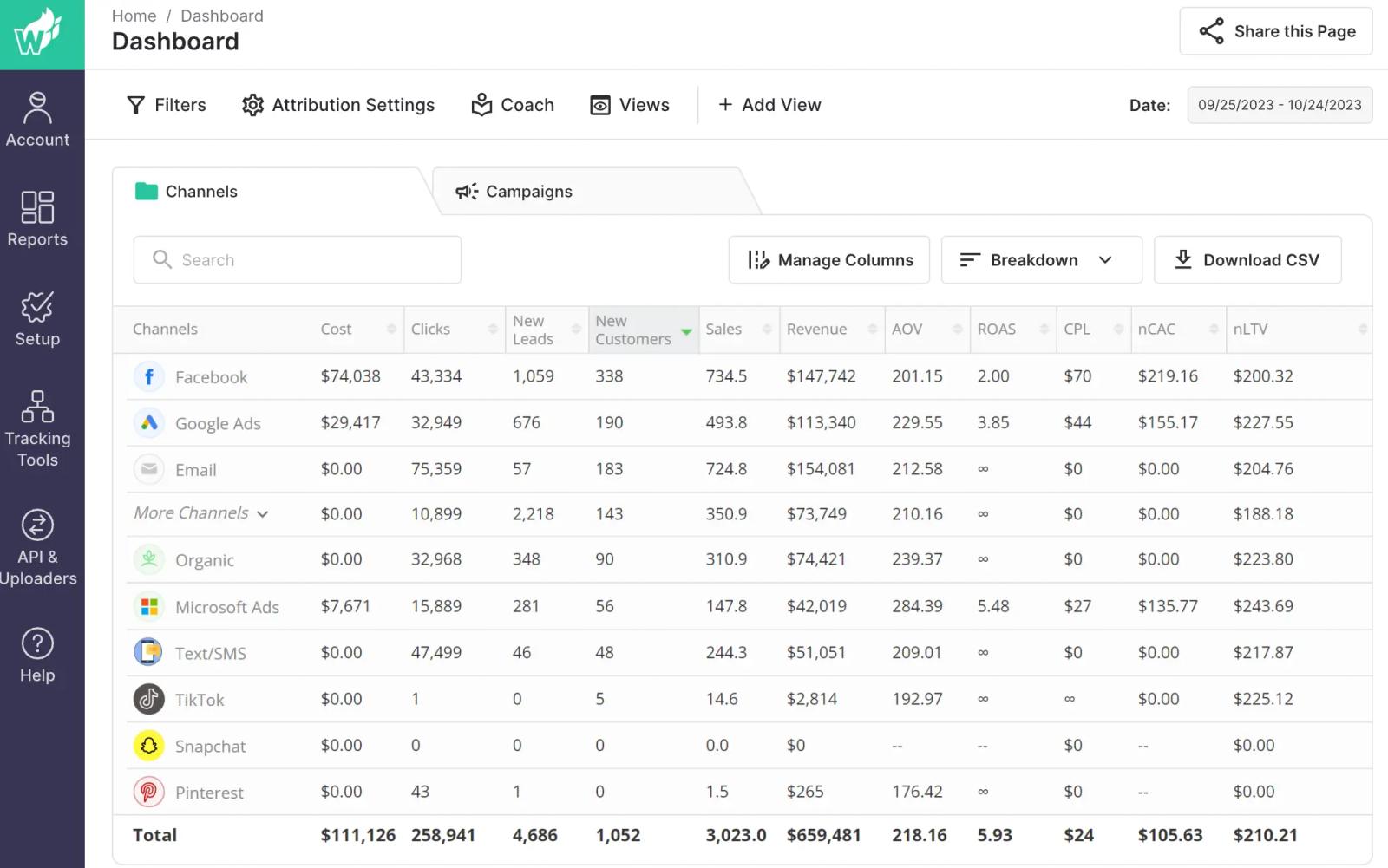
Wicked has been around since 2013, which is long in this space.
Where it earns its keep is LTV and cohort reporting for subscription brands. Boxes, supplements, software. SegMetrics handles email well, but it leans toward first-conversion attribution. Wicked tells you which channels bring in customers who stick around for six months and which ones bring in churners.
Key capabilities
- Cohort analysis and LTV reporting that's genuinely deep, not just a single LTV number.
- Native Klaviyo, Shopify, and ReCharge integrations.
- Conversion sync to Meta with new-customer events, training the algorithm to find first-time buyers.
- Several attribution models you can switch between without re-tagging anything.
Pricing: From around $250/month.
Best for: Subscription DTC brands focused on customer lifetime value.
6. Cometly
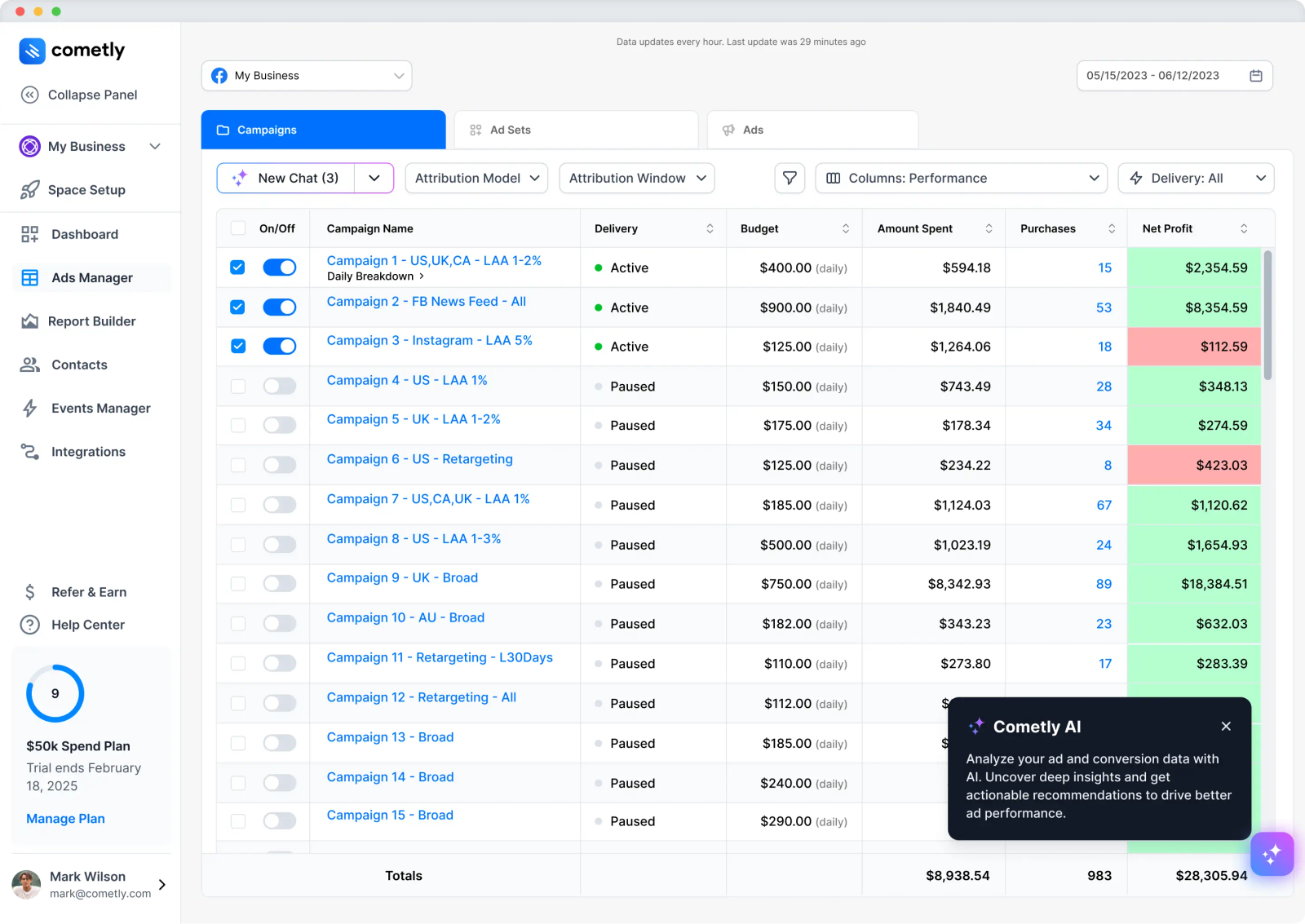
Cometly leans into AI and server-side tracking.
It's aimed at performance marketers spending serious money who want active recommendations, not just dashboards. Connect ad accounts, your CRM, and your website, and the tool runs attribution in real time. The AI suggests which campaigns to scale and which to pause.
It works for both ecom and B2B, which makes it more flexible than tools that pick a side.
Key capabilities
- Server-side tracking that bypasses pixel limits and iOS restrictions.
- AI recommendations on which campaigns to scale and which to cut.
- Real-time attribution updates rather than nightly batch processing.
- Multi-platform CRM sync into HubSpot, Salesforce, and others.
Pricing: Custom, based on ad spend.
Best for: Performance marketers running mid-to-high six figure monthly budgets.
7. ThoughtMetric
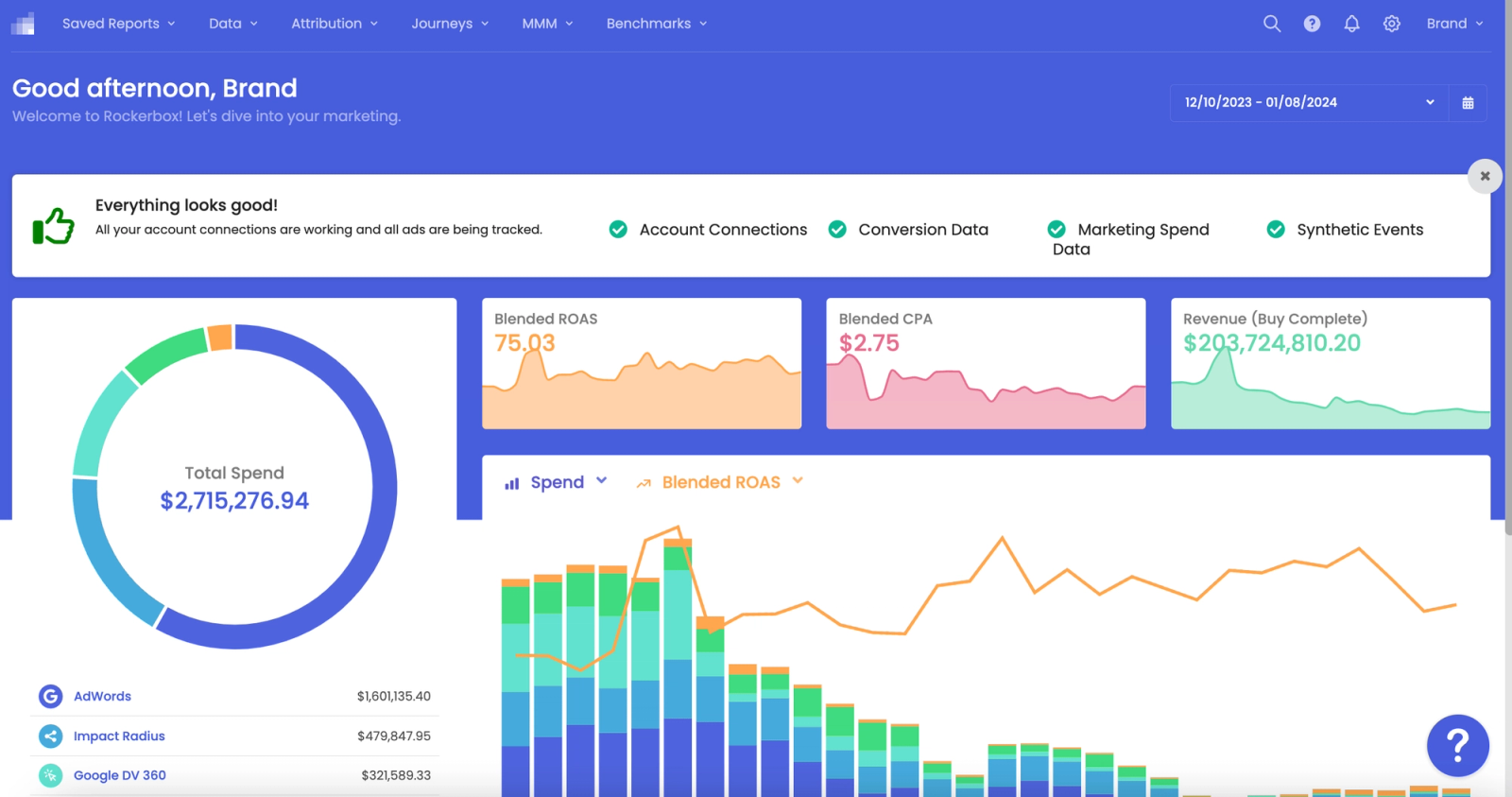
ThoughtMetric is the mid-market ecom option for brands that don't fit Triple Whale.
It supports Shopify, WooCommerce, BigCommerce, and Magento. Multi-touch attribution is built in, server-side tagging works, and the pricing is predictable because it's based on pageviews instead of revenue tier. There's a 14-day free trial with no demo.
Key capabilities
- Multi-platform ecom support across Shopify, WooCommerce, BigCommerce, and Magento.
- Five attribution model options that you can compare side by side.
- Server-side tagging and Conversion API integrations for Meta and Google without enterprise pricing.
- Configurable lookback windows from 7 to 90 days.
Pricing: From $99/month for 50K pageviews.
Best for: Mid-size ecom brands, especially those running off Shopify.
8. RedTrack
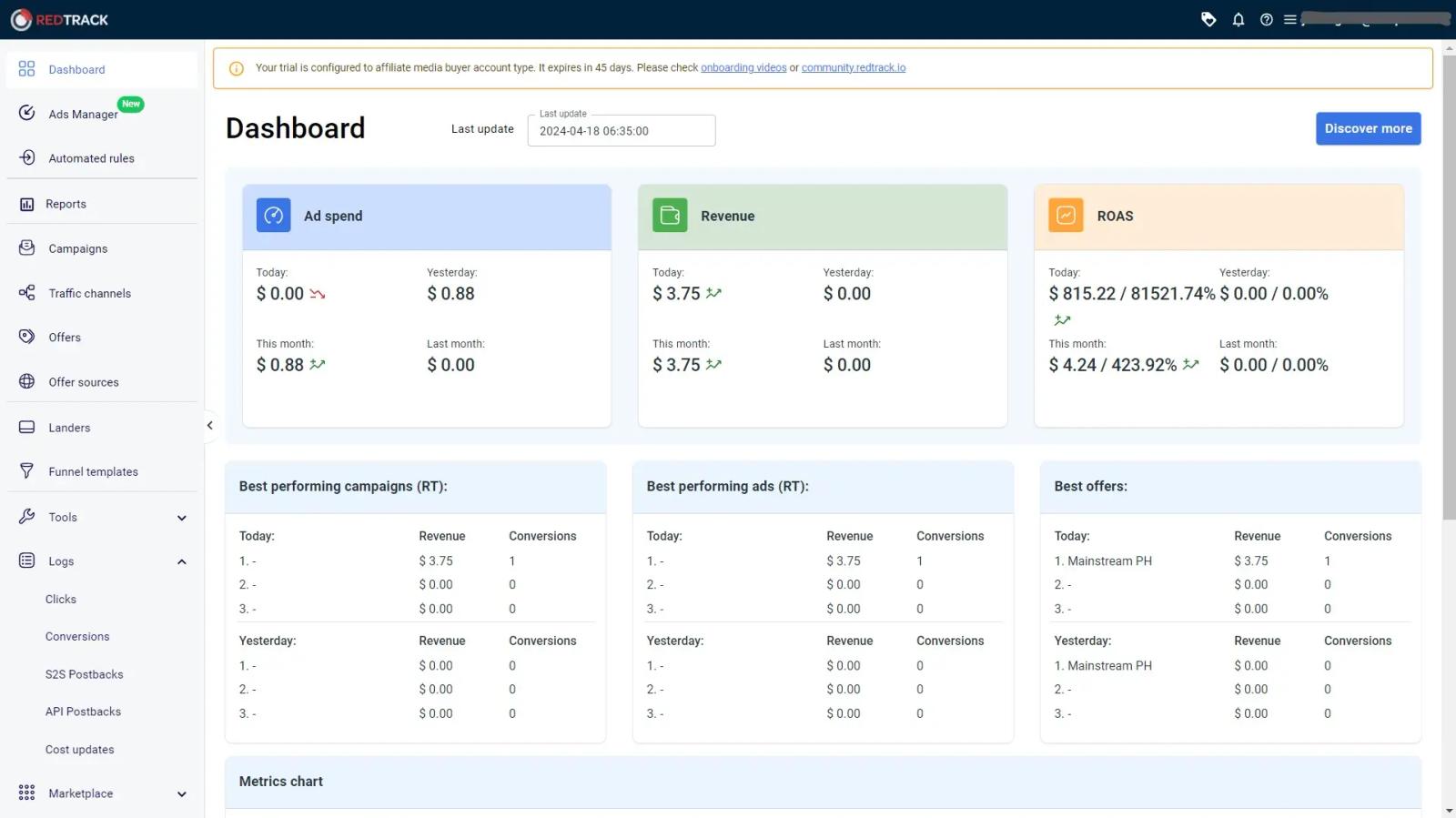
RedTrack is a different category from most of this list.
It's a tracking platform built for affiliates, ad networks, and performance media buyers. Server-side tracking, custom domain support, fraud detection, and the granular link tracking affiliate marketers actually need.
If you're running paid traffic to offers and need cloaking, deep link tracking, or campaign rotation, this is the tool. If you run a normal SaaS or DTC brand, it'll feel both overbuilt and underbuilt at the same time.
Key capabilities
- Server-side tracking with custom domain support.
- Built-in fraud detection and bot filtering.
- Affiliate and partner tracking, including offer rotation.
- Deep API and webhook integrations for custom workflows.
Pricing: From $149/month.
Best for: Affiliate marketers, performance buyers, and ad networks.
9. Attribution.app
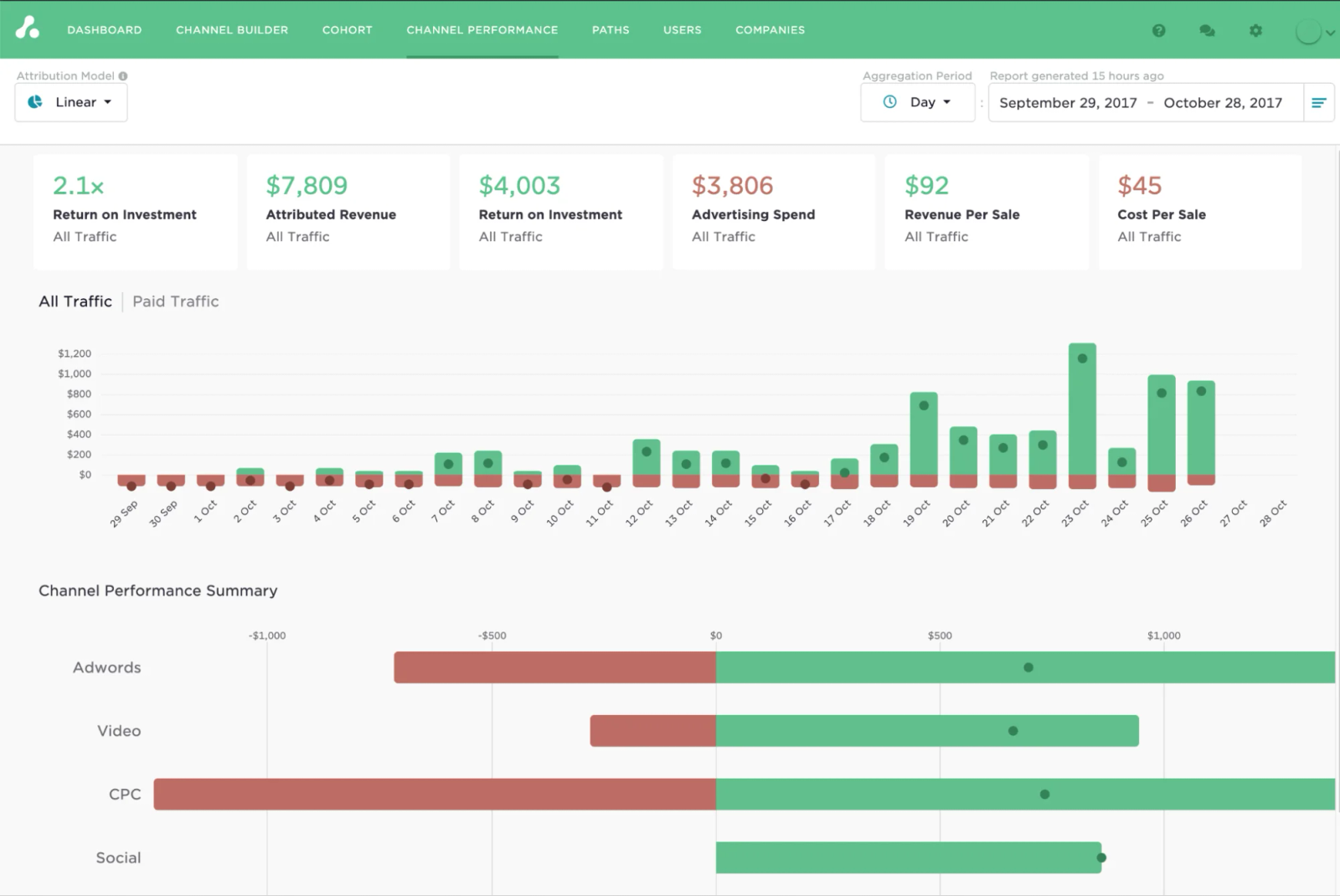
The cheapest serious option on this list.
It does multi-touch attribution, snippet-based capture, and basic CRM sync via webhooks. The integrations are lighter than SegMetrics and there's no LTV or call tracking layer. The free tier is genuinely usable, and paid plans start at $99 a month.
Useful for teams testing whether attribution data even moves the needle for them before paying serious money.
Key capabilities
- Free tier with limits that are actually usable for testing.
- Multi-touch attribution out of the box, with sensible defaults.
- Single-snippet form and event capture.
- HubSpot, Salesforce, and webhook sync.
Pricing: Free tier. Paid plans from $99/month.
Best for: Smaller teams testing attribution for the first time.
10. Dreamdata
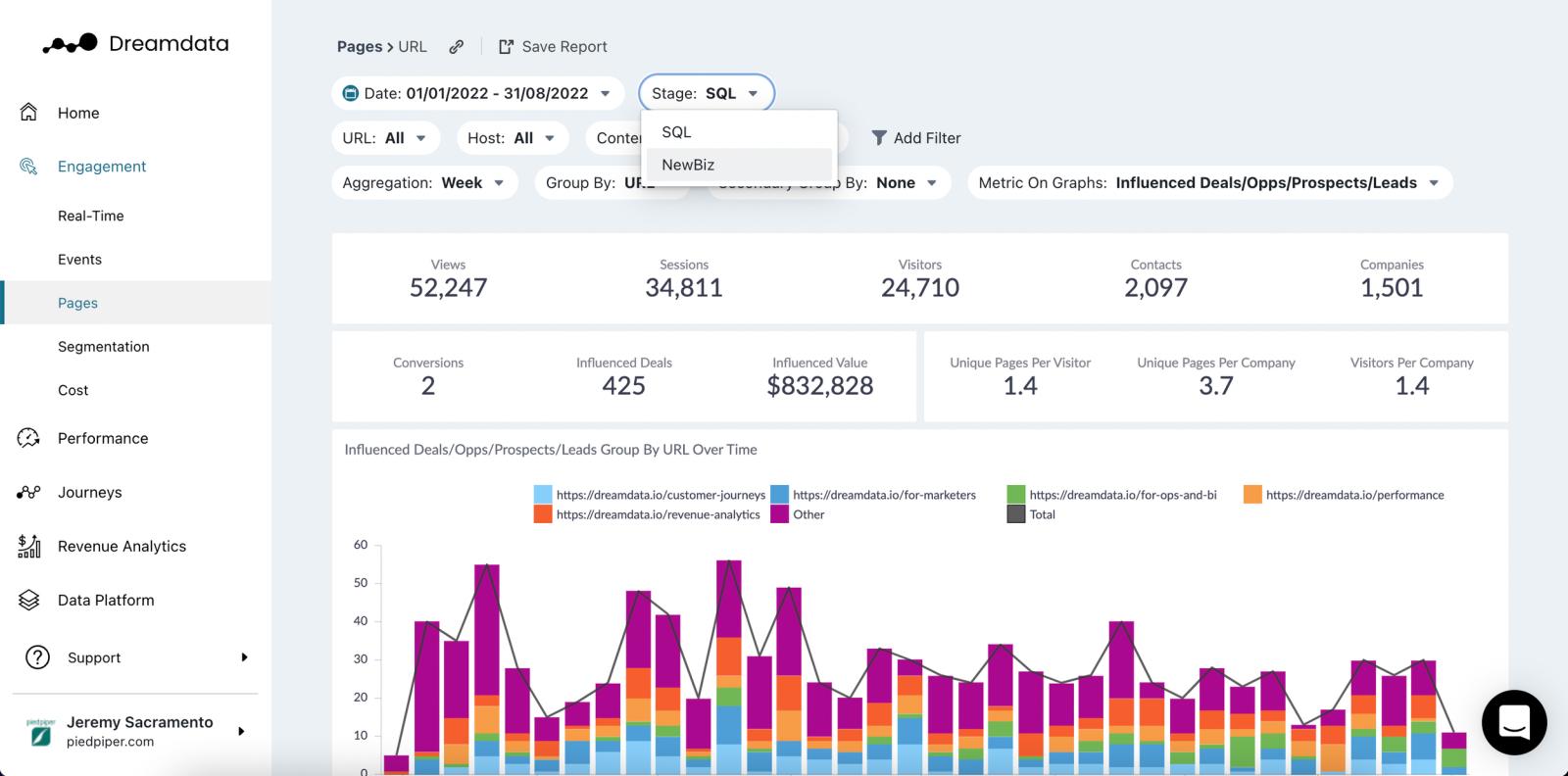
Dreamdata is the choice if you ended up looking at SegMetrics for a B2B SaaS use case.
The Salesforce integration is deep. It reads pipeline movement in near real time and writes attribution data back to deals. Multi-touch attribution is weighted by deal size and stage rather than just touch count, which matters when a $100K deal lives next to a $1K deal in your reporting.
It's not for ecom or info products. For B2B teams running long cycles where pipeline lives in Salesforce, it fits.
Key capabilities
- Bi-directional Salesforce sync that reads pipeline and writes attribution back to deals.
- Revenue-weighted multi-touch attribution that respects deal size and stage.
- Account-level journey reports for buying committees of five-plus people.
- Reverse-ETL friendly for warehouse stacks like BigQuery, Snowflake, and dbt.
Pricing: Free tier. Paid plans from around $999/month.
Best for: B2B SaaS teams using Salesforce as the source of truth.
11. HubSpot Marketing Analytics
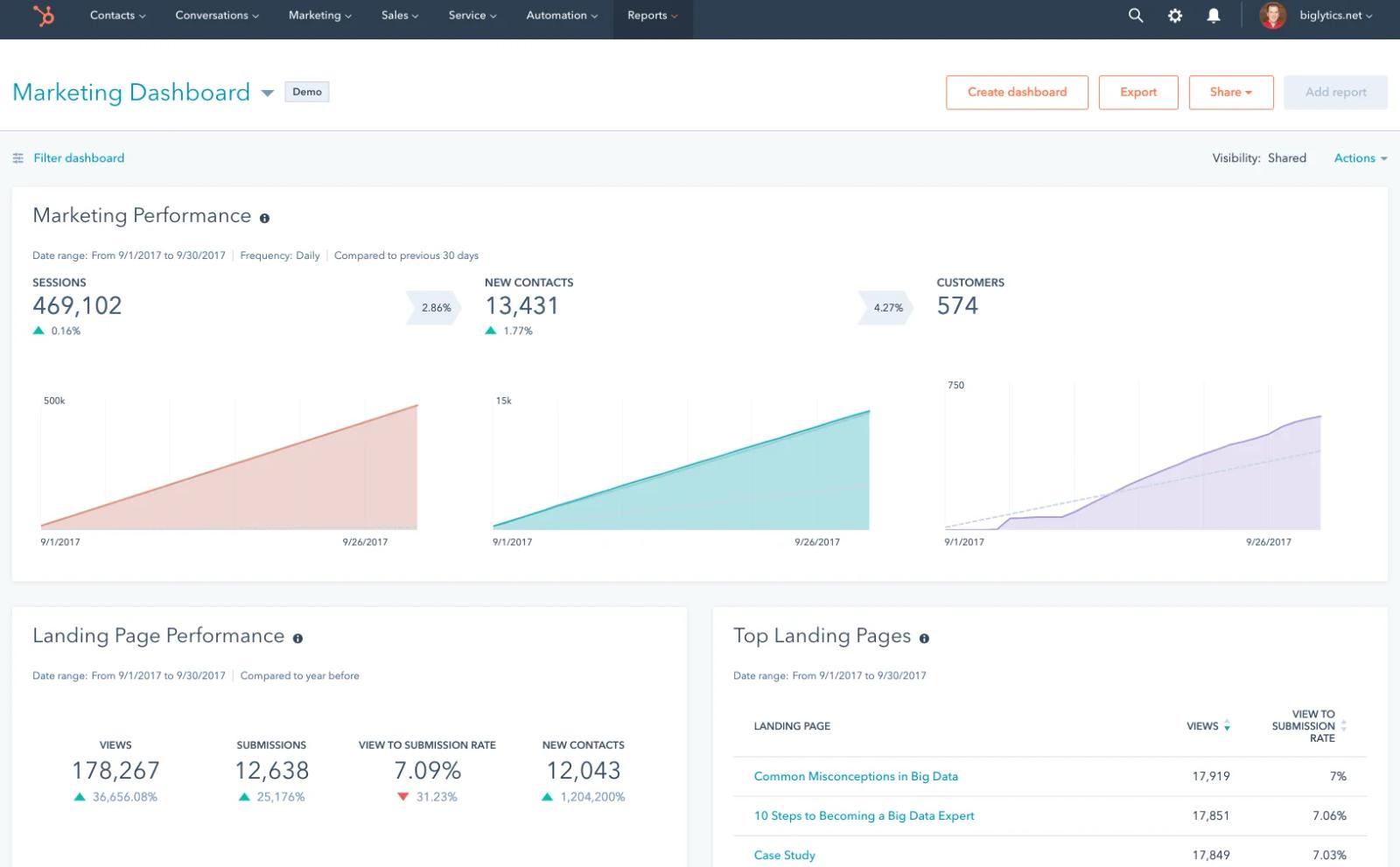
If you're already paying for HubSpot Marketing Hub Professional or Enterprise, you have an attribution tool sitting inside the platform you don't always notice.
HubSpot's revenue attribution reports cover several models, tie back to deals in the CRM, and sit next to the rest of your marketing data. It won't match a dedicated attribution tool on depth, especially for ad-side reporting and conversion sync. But for teams that want one less subscription to think about, it can be enough.
Key capabilities
- Revenue attribution reports built into HubSpot Marketing Hub at the higher tiers.
- Direct connection to deal records in the CRM, so attribution sits next to revenue.
- Several attribution models including W-shaped, U-shaped, and full path.
- No second tool to maintain or pay for if you already use HubSpot heavily.
Pricing: Bundled with HubSpot Marketing Hub Professional, from $890/month.
Best for: Teams already on HubSpot Marketing Hub who want to consolidate.
How to choose the right SegMetrics alternative
SegMetrics does one job well. It tracks email-driven funnels and customer journeys for info products and online courses. If that's the shape of your business, SegMetrics is a reasonable choice.
If your business is shaped differently, the right alternative depends on what you actually need to see.
- B2B and SaaS funnels with long sales cycles: SourceLoop. Same journey tracking and multi-touch attribution as SegMetrics, plus the conversion sync to Meta, Google, LinkedIn, and TikTok that closes the loop on ad spend.
- Shopify DTC: Triple Whale or ThoughtMetric. Both go deeper on ecom than SegMetrics ever will.
- Subscription DTC focused on LTV: Wicked Reports.
- Affiliate and performance media: RedTrack.
For most teams reading this, SourceLoop is the place to start.
The reason is simple. SegMetrics is strong on email and the journey before the sale. SourceLoop covers the same ground and adds the ad-side attribution and conversion sync that most marketing budgets actually depend on.
Frequently asked questions
-
What is the cheapest SegMetrics alternative?
Attribution.app is the cheapest serious option, with a free tier and paid plans from $99 a month. SourceLoop starts at $49 a month and includes ad-side attribution and conversion sync, which Attribution.app doesn't.
-
Is SourceLoop a good replacement for SegMetrics?
For most B2B and SaaS teams, yes. SourceLoop covers the same journey tracking and multi-touch attribution that SegMetrics offers, and it adds conversion API sync to Meta, Google, LinkedIn, and TikTok. The one gap is depth on email touch attribution, where SegMetrics still has more if your funnel runs almost entirely through ConvertKit, ActiveCampaign, or Drip.
-
Why do people leave SegMetrics?
The most common reasons are price, fit, and ad-side reporting. Plans start at $175 a month, which is steep for solo operators. The product is shaped for info-product funnels, so B2B SaaS and ecom brands often outgrow the model. And teams running serious ad budgets usually want stronger conversion sync to Meta and Google than SegMetrics offers.
-
What is the best SegMetrics alternative for Shopify stores?
Triple Whale is built for Shopify from day one. ThoughtMetric is a good option if you want multi-platform support and pricing tied to pageviews instead of revenue tier. Both go deeper on ecom data than SegMetrics ever will.
-
Does SourceLoop integrate with HubSpot and Salesforce?
Yes. SourceLoop has a native HubSpot integration with deeper sync and a webhook-based sync for Salesforce, Pipedrive, Close, and most other CRMs. Attribution data sits next to contact records, so sales reps can see why a lead is in the pipeline without paying for an extra CRM seat.
-
Can I try SourceLoop before paying?
Yes. SourceLoop has a 7-day free trial with no credit card required. Pricing is on the website, so you can sign up and start tracking the same hour without booking a demo.
-
Which alternative is best for B2B SaaS using Salesforce?
Dreamdata if Salesforce is the absolute centre of your stack and you have the budget. SourceLoop is a better starting point for most B2B SaaS teams because it costs less, sets up faster, and still covers the journey tracking, multi-touch attribution, and ad-side conversion sync that drives most pipeline reporting.



 Paid Social


