
11 Best Attribution App Alternatives: Compared for 2026
Eleven Attribution.app alternatives compared on price, features, and the kind of business each one fits.
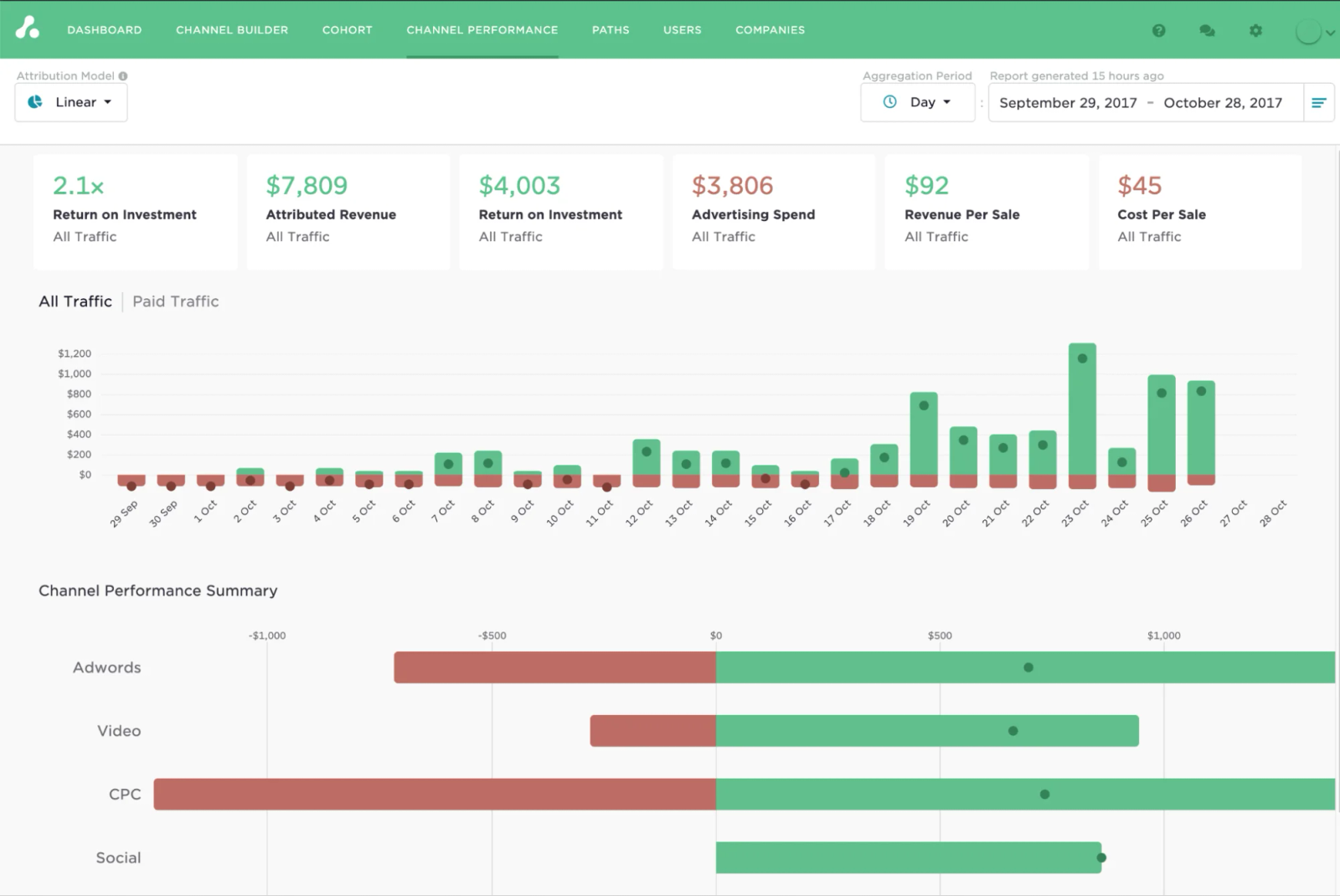
Table of contents
- Attribution.app Alternatives Quick Comparison
- 1. SourceLoop
- Lead capture without UTM discipline
- Models and journeys
- Conversion sync, with filters
- Contacts and CRM
- Key capabilities
- Pricing
- Limitations
- 2. Hyros
- Key capabilities
- 3. SegMetrics
- Key capabilities
- 4. Dreamdata
- Key capabilities
- 5. HockeyStack
- Key capabilities
- 6. Factors.ai
- Key capabilities
- 7. Cometly
- 8. Heeet.io
- Key capabilities
- 9. Triple Whale
- Key capabilities
- 10. Northbeam
- Key capabilities
- 11. Wicked Reports
- Key capabilities
- How to choose the right Attribution.app alternative
If you’re exploring Attribution App, you’re likely trying to understand what’s actually driving revenue. But attribution tools often come with tradeoffs in complexity, setup, and data depth.
In this guide, we cover the best Attribution App alternatives so you can find a setup that fits your workflow.
Attribution.app Alternatives Quick Comparison
A fast scan first.
| Tool | Starting price | Strength | Best fit |
|---|---|---|---|
 SourceLoop Top pick SourceLoop Top pick |
$49/mo | Journey + ad attribution + CRM sync | B2B and SaaS at any stage |
 Hyros Hyros |
~$230/mo | Long-cycle + native call tracking | Coaches and high-ticket sellers |
 SegMetrics SegMetrics |
From $175/mo | Email-driven funnel attribution | Info products, courses |
 Dreamdata Dreamdata |
Free / $999+ | Deep Salesforce attribution | B2B SaaS on Salesforce |
 HockeyStack HockeyStack |
~$1,399+/mo | AI analyst + ABM analytics | Mid-market B2B with ABM |
 Factors.ai Factors.ai |
From $399/mo | Predictive scoring + attribution | SME and mid-market B2B |
 Cometly Cometly |
Custom | Server-side + AI suggestions | Performance ad teams |
 Heeet.io Heeet.io |
$1,490/mo flat | CRM-native B2B attribution | Salesforce or HubSpot mid-market |
 Triple Whale Triple Whale |
~$129/mo | Shopify ecom reporting | DTC ecom on Shopify |
 Northbeam Northbeam |
~$1,000/mo | MTA + marketing mix modeling | Mid-large ecom brands |
 Wicked Reports Wicked Reports |
~$250/mo | LTV and cohort attribution | Subscription DTC |
1. SourceLoop
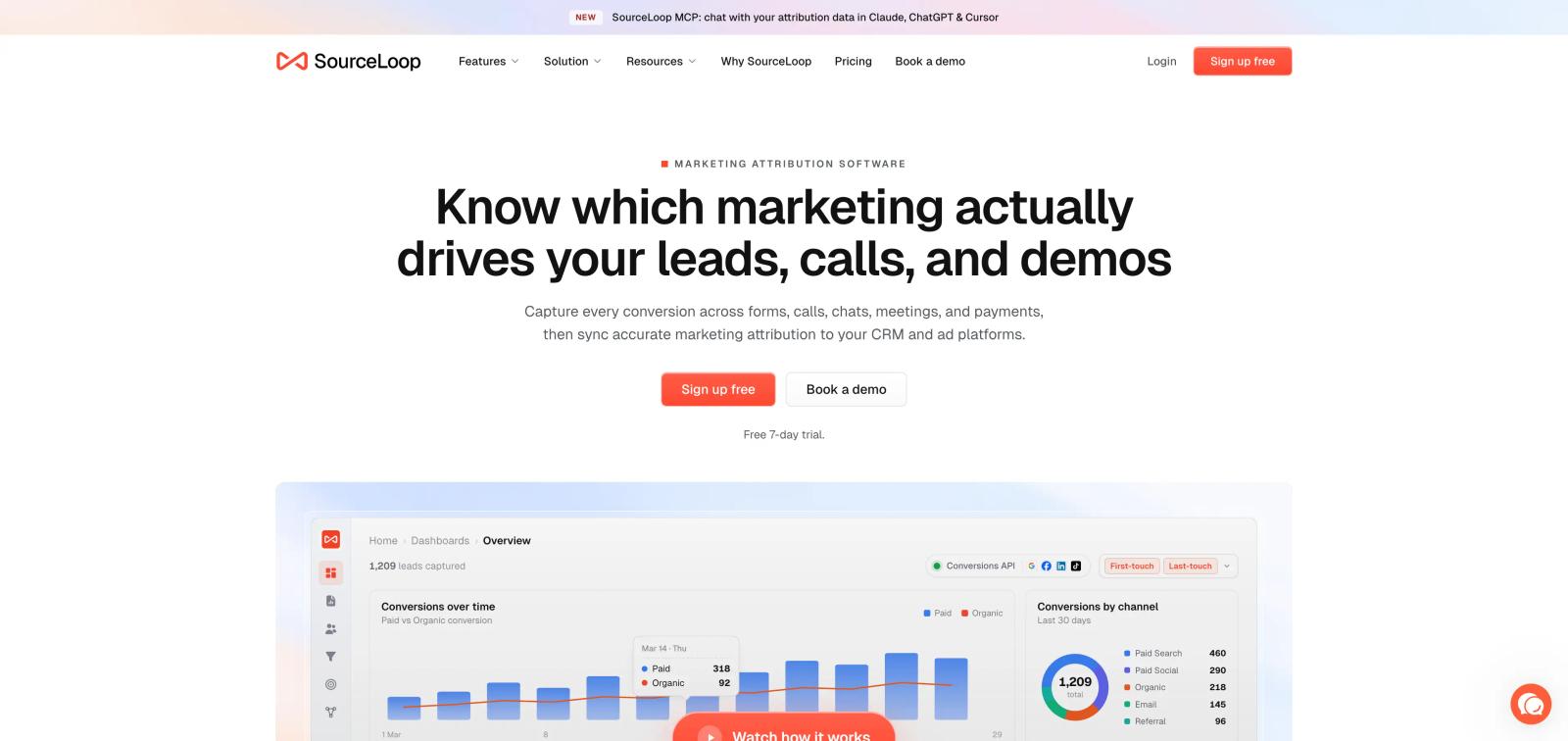
Attribution.app and SourceLoop answer the same question. They differ in three places: how deep the reporting goes below campaign level, how many lead sources get captured without a custom build, and how the bill behaves as traffic grows.
SourceLoop installs as one script and records a first-party session for every visitor: referrer, landing page, UTMs, and the click ID the ad platform attached. It reads nine of them, including gclid, gbraid, wbraid, msclkid, fbclid, li_fat_id, ttclid, epik and rdt_cid.
Click IDs are what let reporting go below the campaign row, and what lets a conversion pushed back to Google Ads match the exact keyword and ad group.
Attribution.app stops at campaign level. Keyword-level Google Ads data does not flow through into the tool, and there is no ad set or ad group breakout to drill into.
Lead capture without UTM discipline
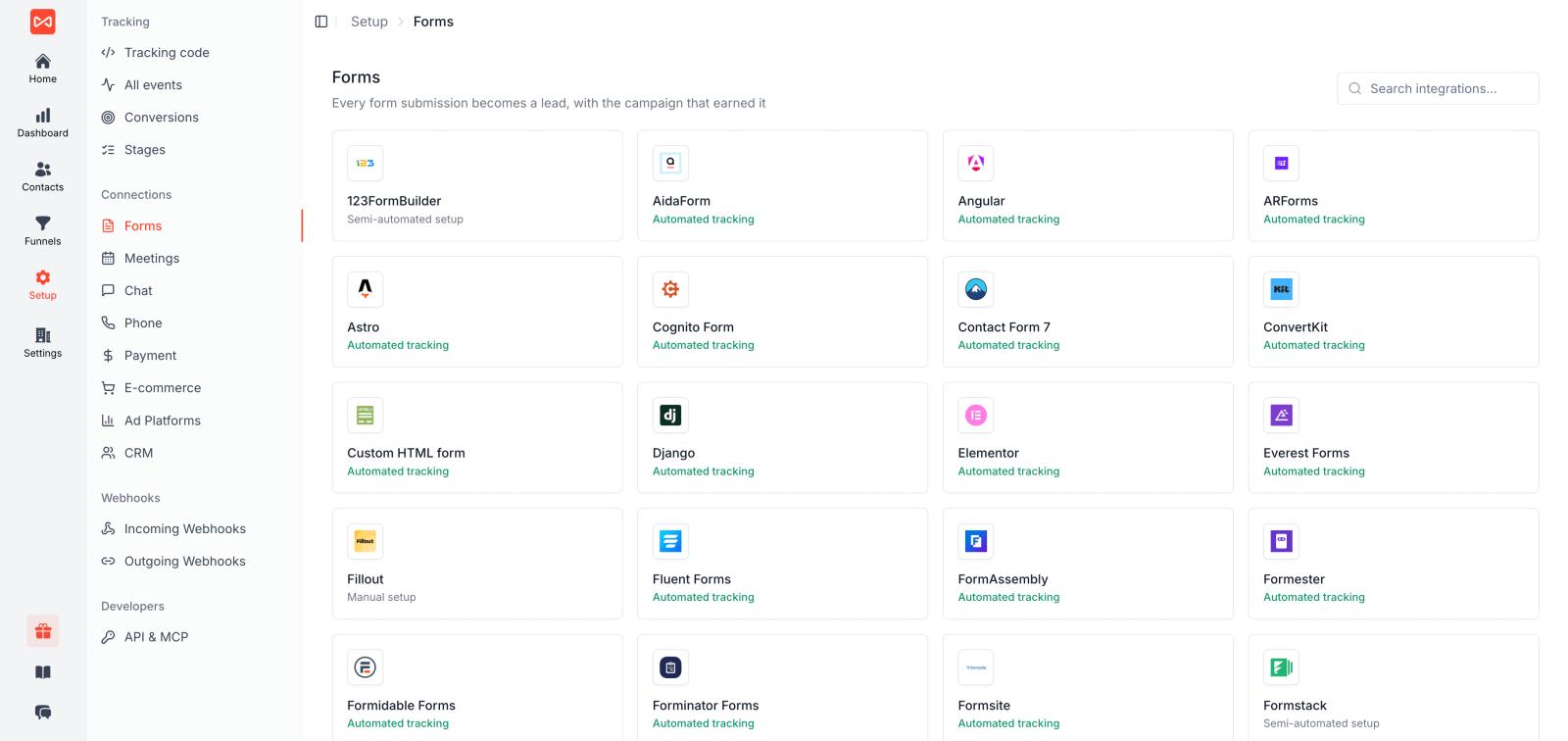
Attribution.app is strong on ad platforms, CRMs and CDPs, and thin on the tools where leads actually get created. Where there is no direct integration, the fallback is UTM tags on the link.
That is where attribution quietly breaks. Someone books a call on an embedded Calendly three weeks after a LinkedIn ad, the booking carries no UTM, and it files under Direct.
SourceLoop covers roughly 70 lead tools, most needing no code:
- Forms: Gravity Forms, WPForms, Contact Form 7, Fluent Forms, Elementor, Typeform, Tally, Jotform, Formstack, Webflow, Framer, HubSpot Forms
- Meetings: Calendly, Cal.com, HubSpot Meetings, Chili Piper, TidyCal, YouCanBookMe, Zoho Bookings
- Chat: Intercom, HubSpot Chat, Drift, Crisp, Tidio, LiveChat, Zendesk Chat
- Calls: CallRail, CallTrackingMetrics, Invoca
- Payments: Stripe, Paddle, Polar, Lemon Squeezy, Dodo Payments
Anything else POSTs to an incoming webhook and still arrives with the journey attached, since stitching happens on identity rather than on the submitting URL.
Models and journeys
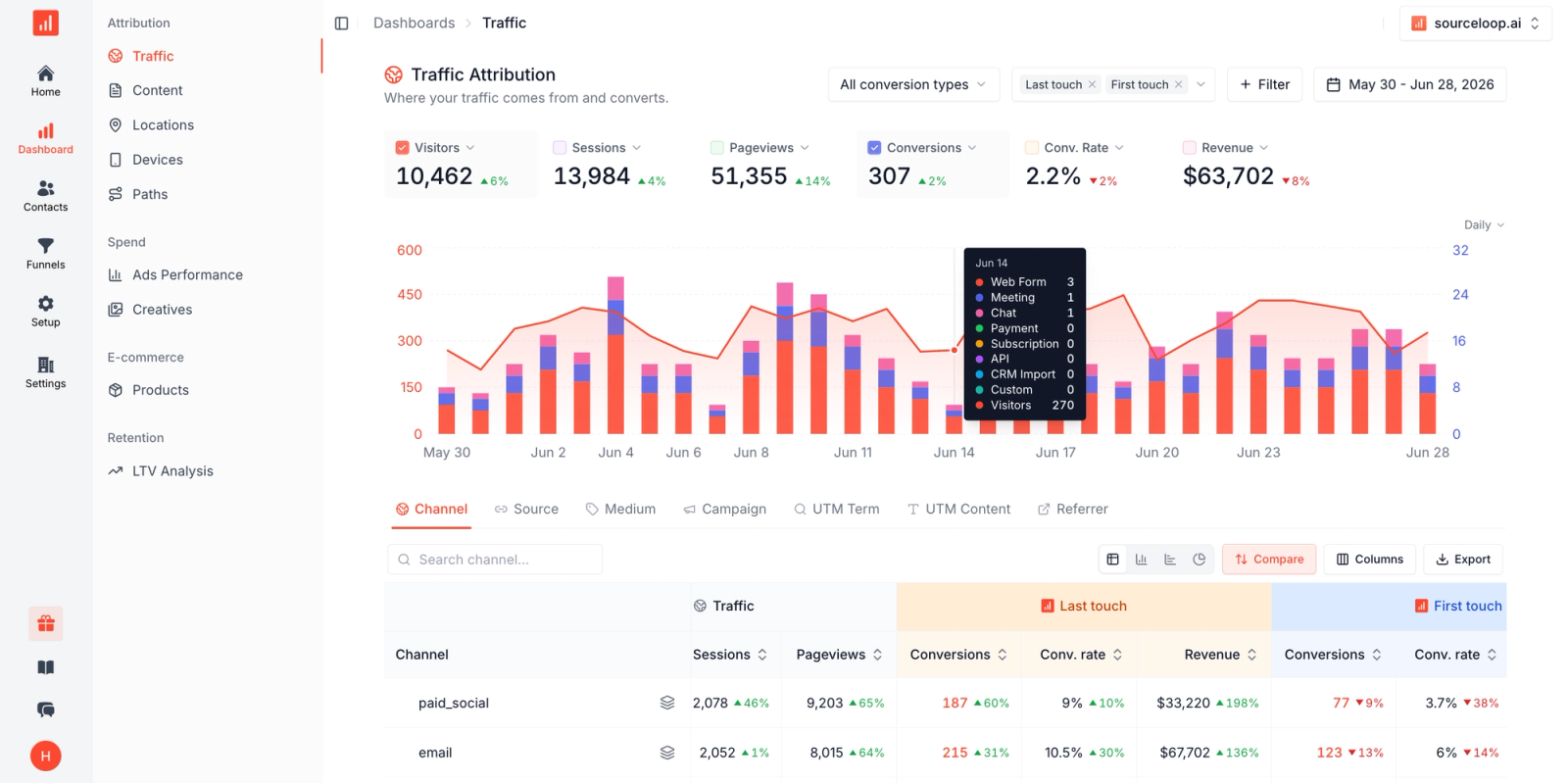
Attribution.app has five models. SourceLoop has seven: first touch, last touch, linear, position-based, time decay, first non-direct and last non-direct.
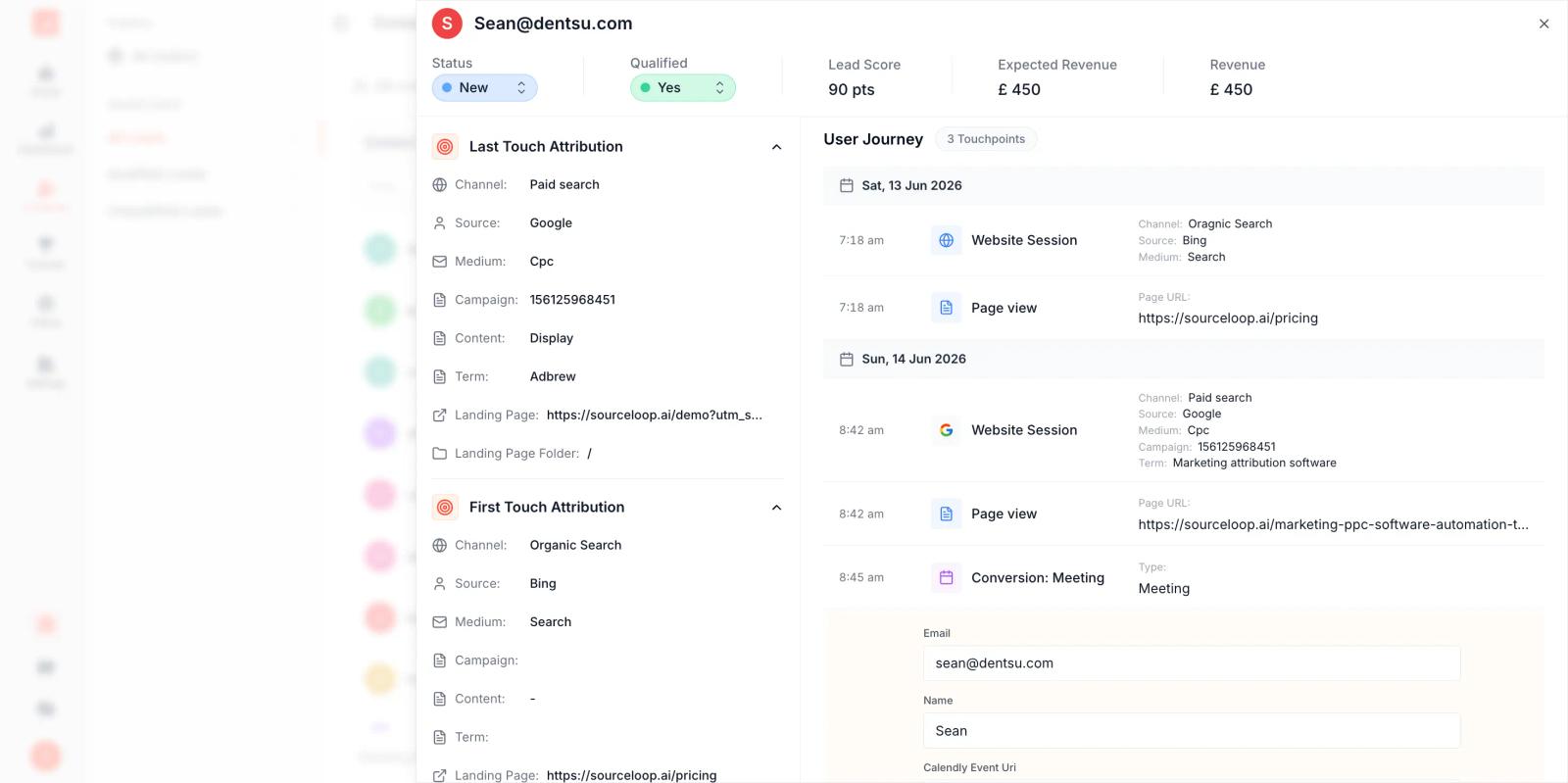
All of them run against one stored journey, so switching is a dropdown rather than a re-tagging project. Under them sits the conversion journey for each contact: every session in order, how they arrived, what they read, where they converted.
Conversion sync, with filters
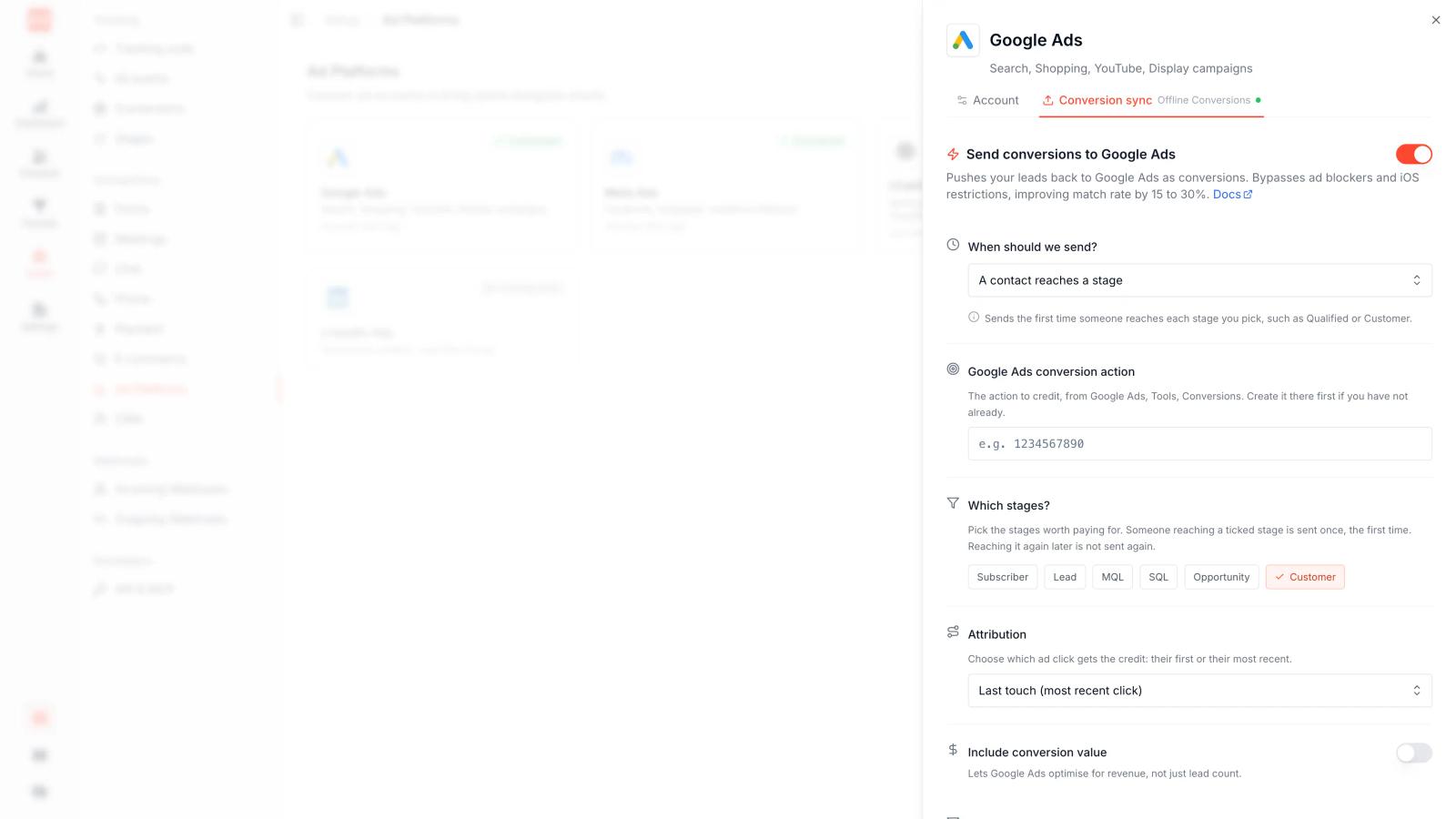
Attribution.app now ships a Conversions API to Google, Meta, LinkedIn and Microsoft, so this is not a straight capability gap. The difference is the controls.
In SourceLoop each mapping is defined per event. Choose the trigger (conversion created, expected revenue updated, or realised revenue confirmed by a payment), optionally filter to one source such as calendly_booking, pick whether the platform learns from first or last touch, set the value source, set a dedup window.
So you send only the leads sales marked qualified, at their real deal value. Delivery covers Google, Meta, LinkedIn, Microsoft, TikTok, Pinterest and Reddit, with hashed email and phone attached for when the click ID has expired.
Contacts and CRM
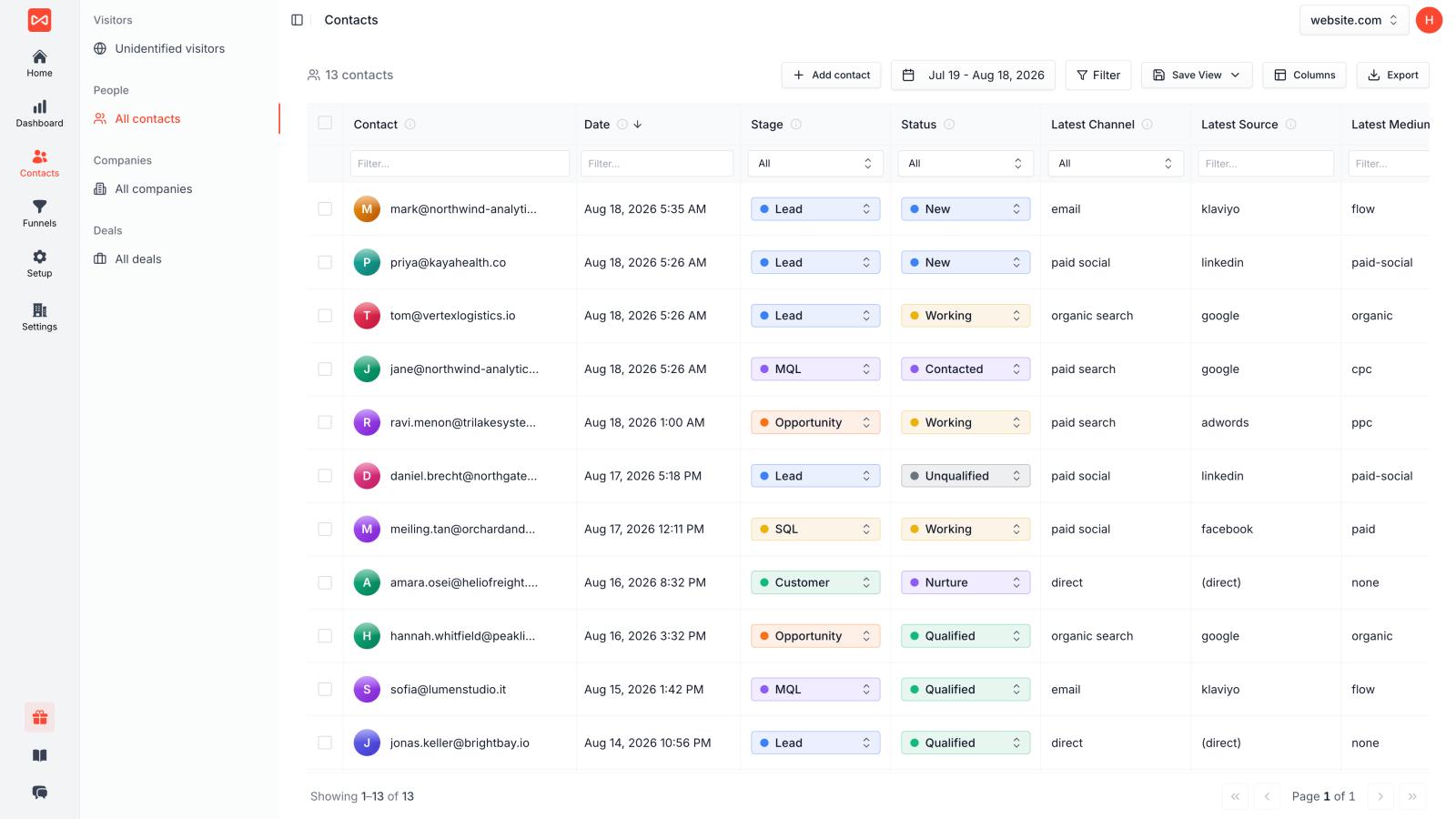
The Contacts Hub is one row per real person after identity stitching, with first and last touch source, campaign, CRM status and revenue.
It answers what a channel report cannot: not "paid social produced 40 leads" but which 40, worth what, from which ad. It exports, and it is the view most teams end up living in.
CRM sync is native to HubSpot, Salesforce, Pipedrive and Zoho, both directions. Attribution fields go onto the record; deal stages and closed-won values come back.
Key capabilities
- Server-side delivery via Meta CAPI, LinkedIn CAPI, Google Enhanced Conversions, Microsoft, TikTok, Pinterest and Reddit, with per-event filters
- Nine click IDs stored per session and per lead, so reporting and conversion push both work below campaign level
- Around 70 lead tools captured automatically, each with a documented setup
- Seven attribution models on one journey, plus the full session-by-session path behind every contact
- Two-way CRM sync including deal stage and closed-won value
- Revenue stitched from Stripe, Paddle, Polar, Lemon Squeezy and Dodo Payments
- Content attribution at landing-page level, so a blog post gets first-touch credit for a deal that closed on the pricing page
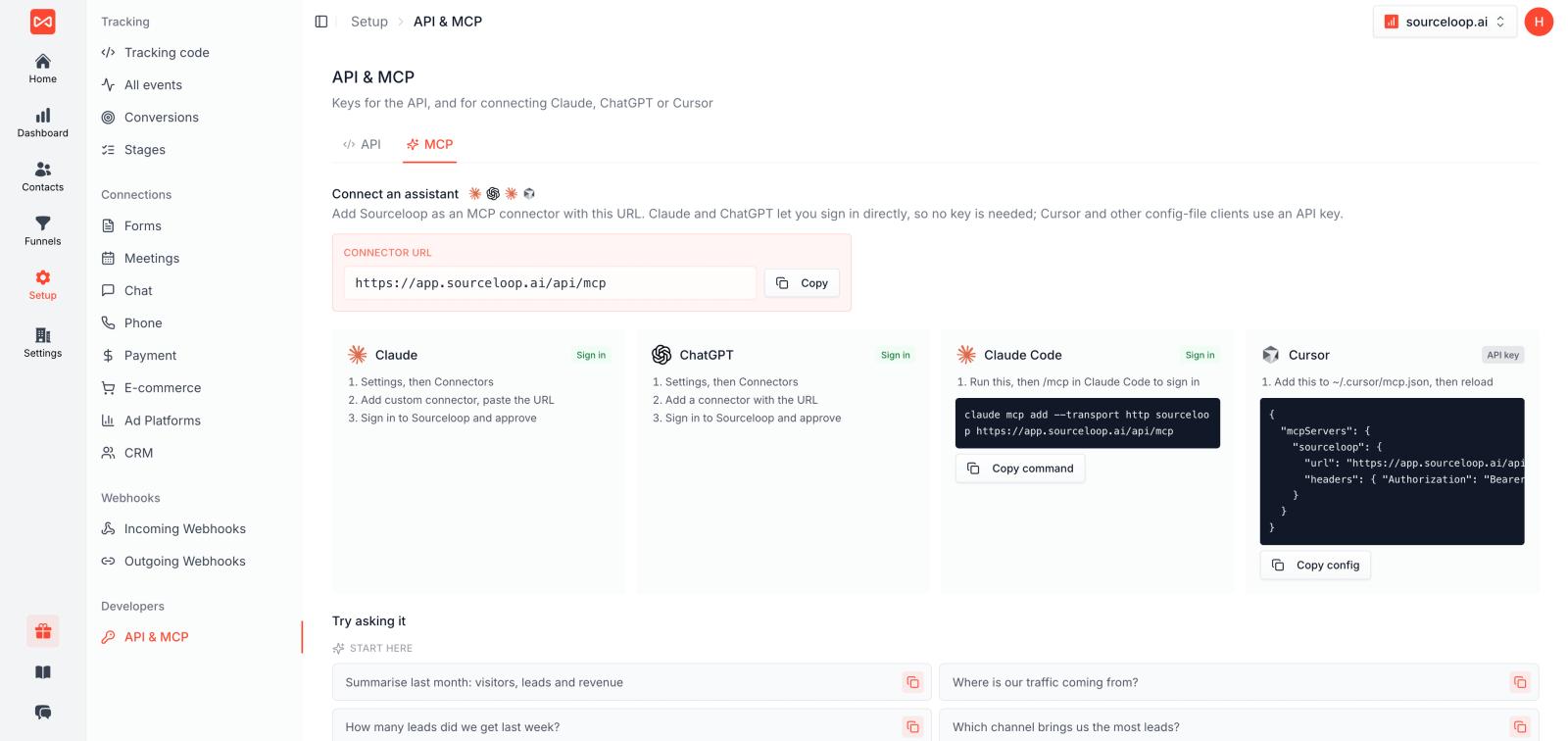
- MCP server and REST API with a
/changesendpoint for incremental pulls
Pricing
Attribution.app's Pro plan is $399/mo, metered on tracked visitors: 10,000 included, $10 per additional 1,000. A site doing 50,000 visitors a month lands near $800/mo. Multi-project workspaces, offline channel tracking, custom lookback windows and warehouse export sit on the Custom tier.
SourceLoop meters page views and never charges per lead. Essential $49/mo covers 1 site, 1 user and 30k page views a month. Professional $99/mo adds 3 users and 100k page views. Agency $249/mo covers 3 sites, unlimited users and 2.5M page views. Tracked conversions are unlimited on every plan, annual billing takes 25% off, and there is a 7-day trial with no card.
Limitations
- No marketing mix modelling. Northbeam or a dedicated MMM covers offline and upper-funnel brand spend.
- No Segment, RudderStack, Heap or Amplitude connector. Attribution.app has those, and if your stack routes through a CDP that is a genuine advantage for them.
- No native warehouse sync to Snowflake or BigQuery. The API and
/changesendpoint make it short work, but it is work you own. - The entry tier covers 30k page views a month, which is the cap a content-heavy site hits first. Conversions themselves are never metered.
- No TV or broadcast tracking.
Pricing: Essential $49/mo covers 1 site, 1 user and 30k page views a month. Professional $99/mo adds 3 users and 100k page views. Agency $249/mo covers 3 sites, unlimited users and 2.5M page views. Tracked conversions are unlimited on every plan, annual billing takes 25% off, and there is a 7-day trial with no card.
Best for: B2B, SaaS and agency teams who want Attribution.app's model comparison and CRM sync, plus automatic capture from the schedulers and chat widgets that create their leads, without a visitor-based meter.
Create a free SourceLoop account →
2. Hyros
Hyros is built for teams running heavy paid acquisition, especially where conversions don’t happen instantly.
It focuses on tying ad spend to actual revenue, even across long sales cycles, phone calls, and multi-step funnels. It is commonly used by high-ticket businesses and webinar-driven funnels where attribution gaps are expensive.
Key capabilities
- Tracks long sales cycles and delayed conversions
- Call tracking and offline attribution
- AI-driven ad optimization insights
- Connects ad data to real revenue outcomes
- Works well for high-ticket and sales-led funnels
Pricing: From around $230/month, demo required.
Best for: Coaches, course creators, and high-ticket info products that close on calls.
3. SegMetrics
Different audience to Attribution.app, but worth a look.
SegMetrics goes deep on email-driven funnels. Native integrations with ConvertKit, ActiveCampaign, Drip, Klaviyo, and Ontraport mean it sees every email touch as a real touchpoint, not a single anonymous bucket.
Plans start at $175 a month with a 14-day free trial.
It won't replace Attribution.app for a B2B SaaS team running paid ads. It will replace it for a course creator who picked Attribution.app for the wrong job.
Key capabilities
- 7D fingerprint tracking that follows users across devices and sessions.
- Native integrations with the major email tools used by info-product brands.
- Lead source attribution down to individual ad creative.
- 14-day free trial without a demo gate.
Pricing: From $175/month. 14-day free trial.
Best for: Info products, online courses, and email-led funnels.
4. Dreamdata
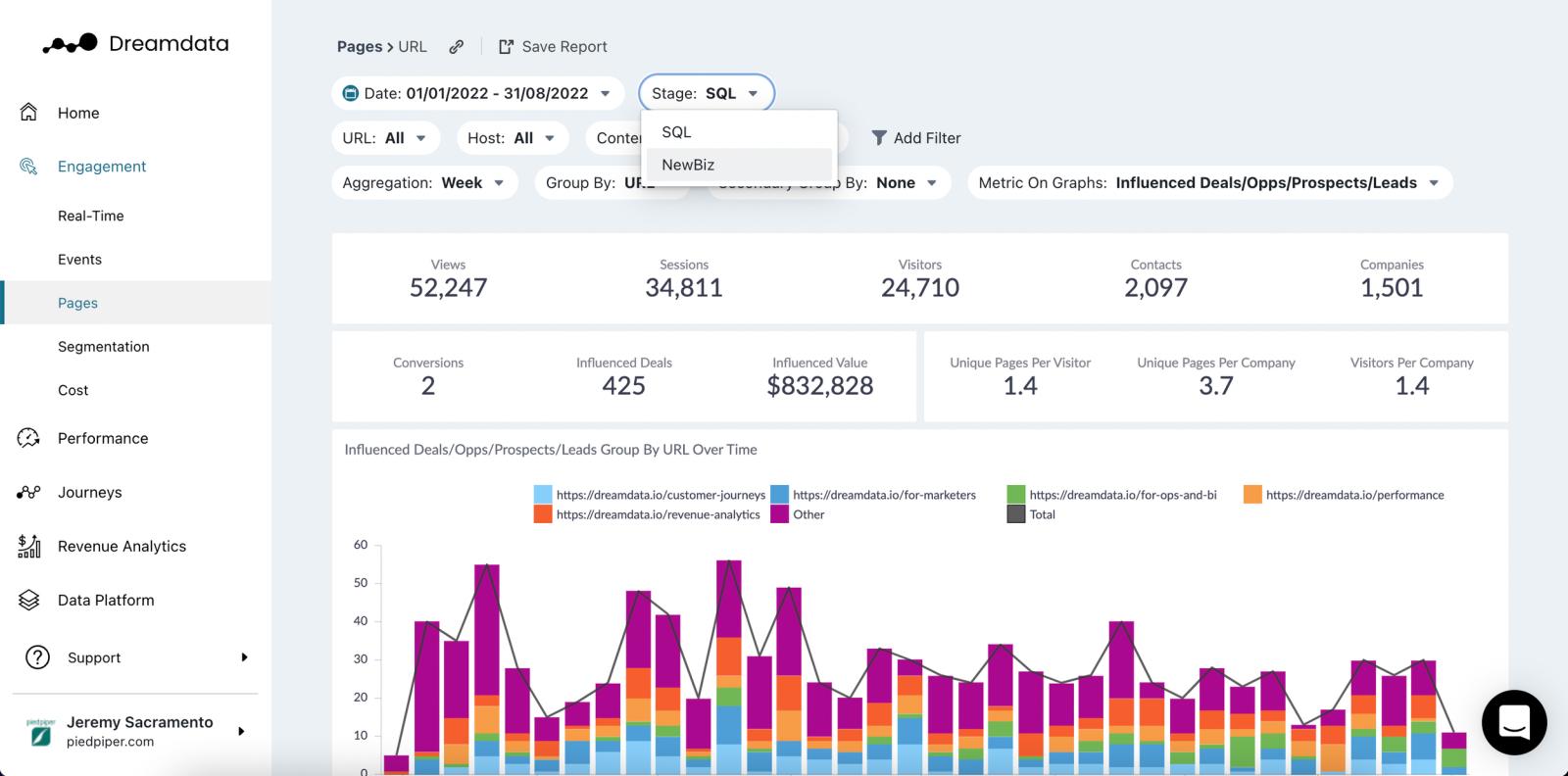
Dreamdata is designed for B2B teams that need visibility across long and complex sales cycles. It connects data from marketing, sales, and CRM systems to map the full customer journey and show how each touchpoint contributes to pipeline and revenue.
Unlike simpler attribution tools, it leans heavily into account-based tracking and multi-touch models, making it more relevant for SaaS and demand gen teams rather than pure performance marketers.
Key capabilities
- Complete B2B customer journey mapping across channels
- Multi-touch and data-driven attribution models
- Revenue and pipeline attribution reporting
- Account-level tracking instead of just user-level
- Integrations with CRM, ads, and data warehouses
- Ability to compare different attribution models for better decision-making
Pricing: Free entry tier. Paid plans from around $999/month, scaling with usage.
Best for: B2B SaaS teams with Salesforce as the source of truth and a real ad budget.
5. HockeyStack
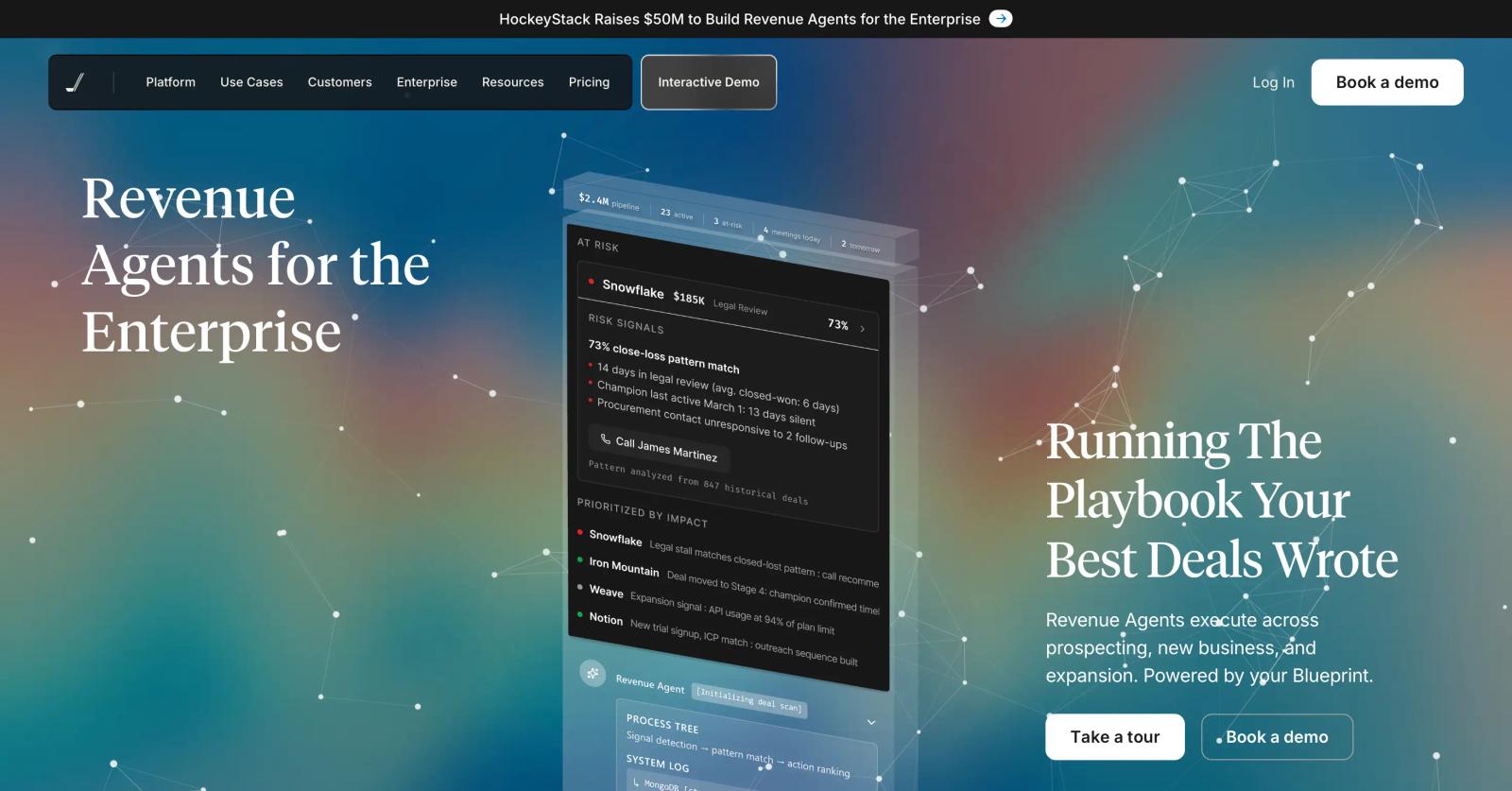
HockeyStack is two products in one.
There's the attribution side: multi-touch, lift modeling, full buyer and account journey analytics. Then there's the AI side: Odin, an in-app analyst that answers natural-language questions on top of GTM data, and Nova, a sales-side assistant for stakeholder maps and account plans.
Pricing is quote-based. The Growth plan reportedly starts around $1,399 a month and climbs with add-ons for ABM and warehouse sync.
It's a step-up tool, not a sideways move from Attribution.app. Right for mid-market B2B teams running ABM with budget for an AI-heavy stack.
Key capabilities
- Multi-touch attribution and lift modeling under one roof.
- Odin AI analyst for natural-language questions on top of GTM data.
- Nova AI sales assistant for account intelligence and stakeholder maps.
- Cookieless tracking with deep CRM, marketing automation, and ABM integrations.
Pricing: Quote-based, Growth plan reported from around $1,399/month.
Best for: Mid-market B2B teams running ABM with serious budget.
6. Factors.ai
Cheaper than HockeyStack, broader than Attribution.app.
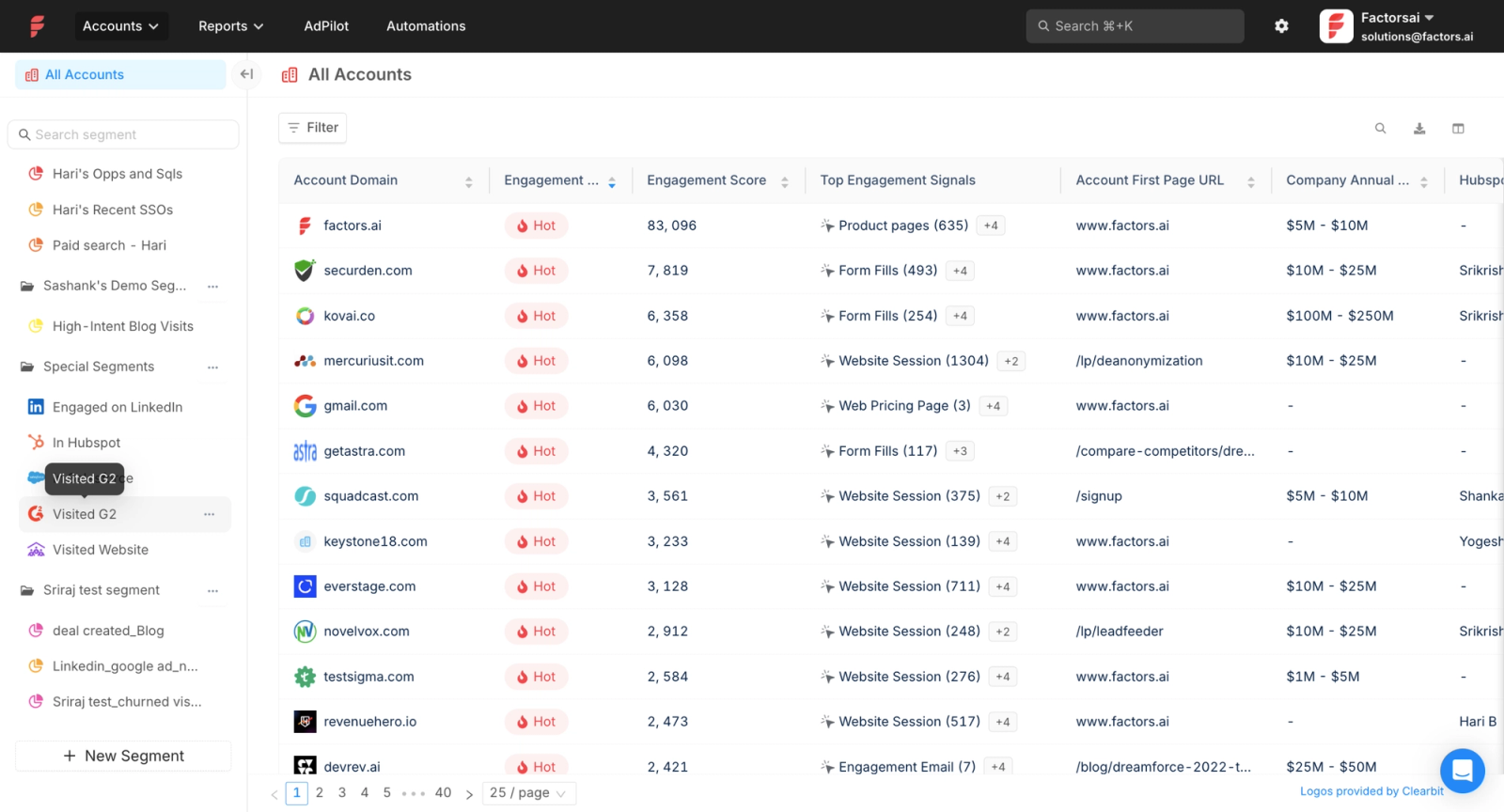
Factors.ai pairs B2B attribution with predictive scoring and visitor identification. Aimed at SME and mid-market teams that want both attribution and account intelligence in one tool instead of two.
Pricing starts around $399 a month, which is among the lowest in this peer group. There's a free starter plan too.
Key capabilities
- Full-funnel multi-touch attribution alongside ABM analytics.
- Predictive account scoring that surfaces high-fit, high-intent accounts.
- Visitor de-anonymisation for accounts visiting the website.
- No-code integrations with CRM, LinkedIn, Google Ads, and Search Console.
Pricing: Free starter tier. Paid plans from $399/month.
Best for: B2B teams that want attribution and account scoring without the four-figure floor.
7. Cometly
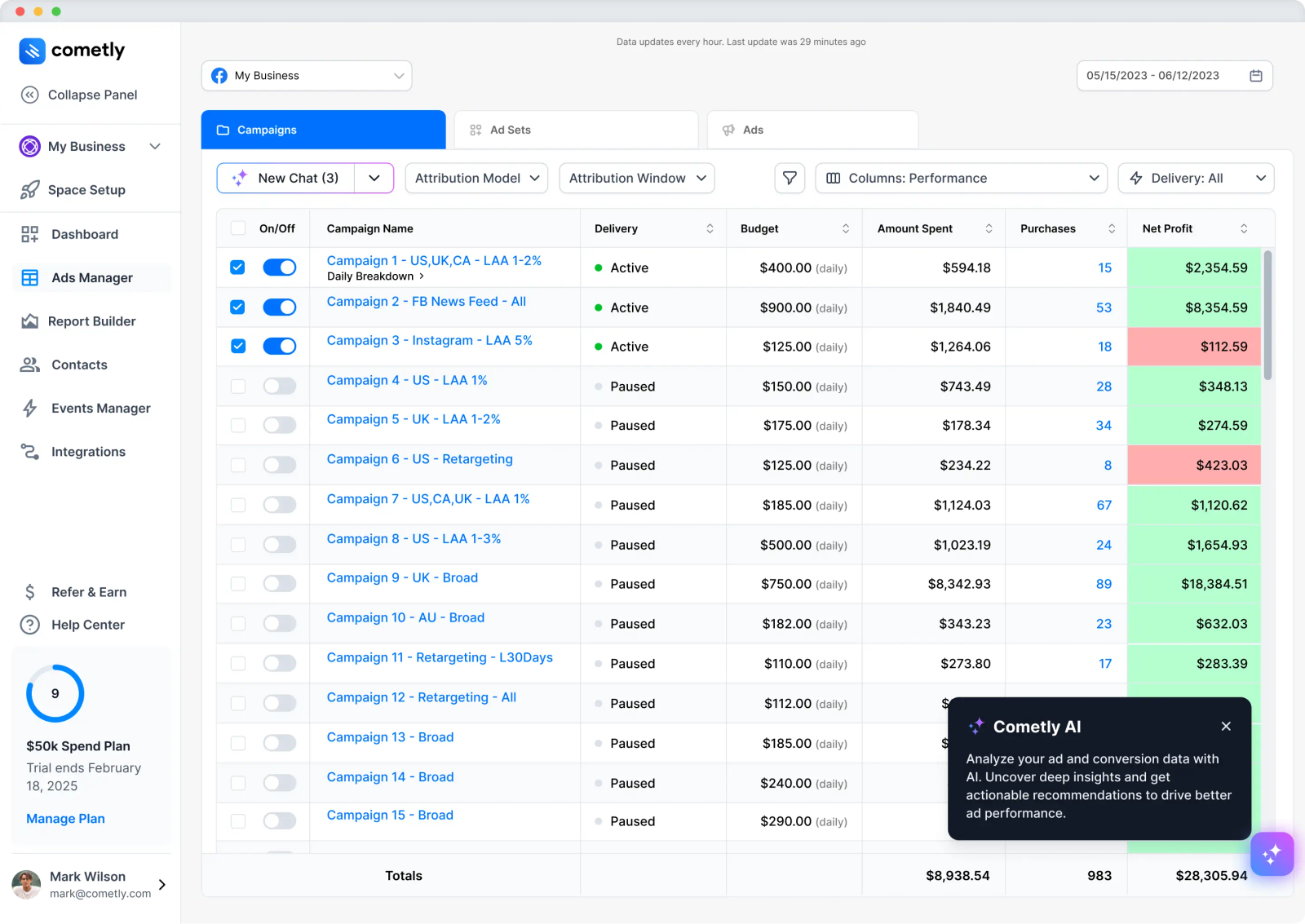
Cometly is built for performance marketers who want a clearer view of what’s actually driving revenue across paid channels. It connects ad platforms, CRM, and website data to track the full customer journey and unify attribution in one place.
It leans heavily into AI-driven insights and server-side tracking, making it useful for teams running multi-channel campaigns where platform data often conflicts or breaks due to privacy limitations.
Key capabilities
- Multi-touch attribution across the full customer journey
- Server-side tracking to improve data accuracy beyond cookies
- AI-powered recommendations for campaign optimization
- Conversion sync that feeds enriched data back to ad platforms
- Real-time reporting and unified dashboards
- Deep integrations with ad platforms, CRM, and analytics tools
Pricing: Custom, based on ad spend.
Best for: Performance marketers running mid-to-high six figure monthly budgets.
8. Heeet.io
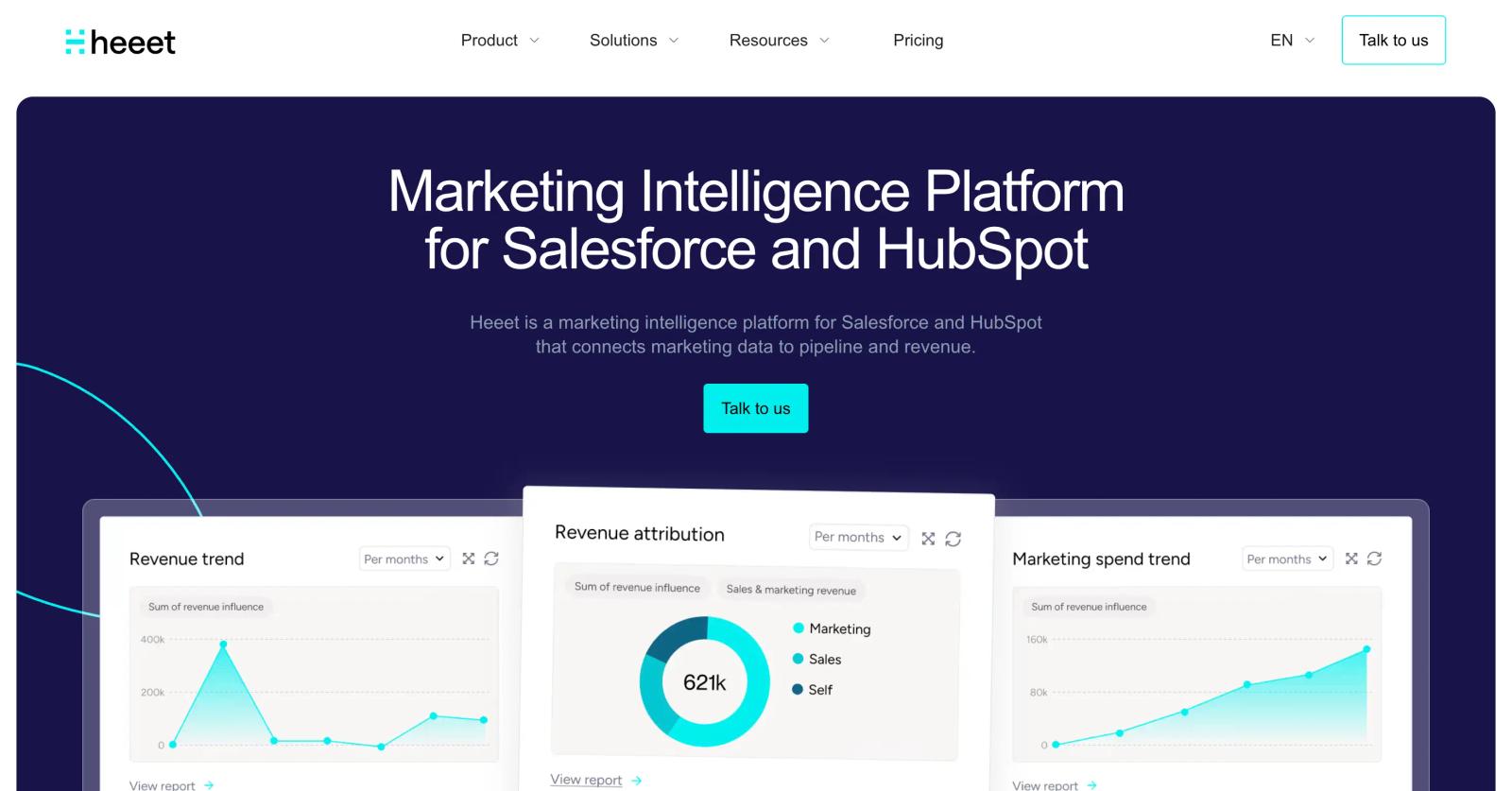
Heeet.io is a B2B attribution platform built natively into Salesforce and HubSpot.
Touchpoints, attribution models, influenced pipeline and revenue all sit on native CRM objects. You can build any attribution report inside Salesforce or HubSpot without exporting a row.
Pricing is $1,490 a month flat. The plan is unlimited on page visits and connectors. It's positioned at mid-market B2B teams that already live in their CRM.
Key capabilities
- CRM-native attribution stored on Salesforce and HubSpot objects.
- Cookieless tracking that doesn't degrade as browsers tighten.
- Cross-channel revenue attribution including organic, paid, content, and offline events.
- Implementation in hours, not weeks.
Pricing: $1,490/month flat.
Best for: Mid-market B2B teams running Salesforce or HubSpot with budget for a dedicated tool.
9. Triple Whale
Triple Whale is focused on ecommerce teams, especially Shopify brands, that want fast and simple visibility into performance. It combines attribution with profit tracking and creative analytics, making it easier to understand what is actually driving revenue without heavy setup.
Compared to more complex tools, it prioritizes speed, usability, and actionable insights over deep modeling, which makes it a strong fit for lean performance teams.
Key capabilities
- Shopify-first integration with quick setup
- First-party pixel tracking to recover lost attribution data
- Profit and blended ROAS tracking across channels
- Creative performance insights tied to revenue
- Cohort and LTV analysis by campaign and channel
- AI insights and natural language querying for faster analysis
Pricing: From around $129/month, scaling with revenue.
Best for: Shopify DTC brands.
10. Northbeam
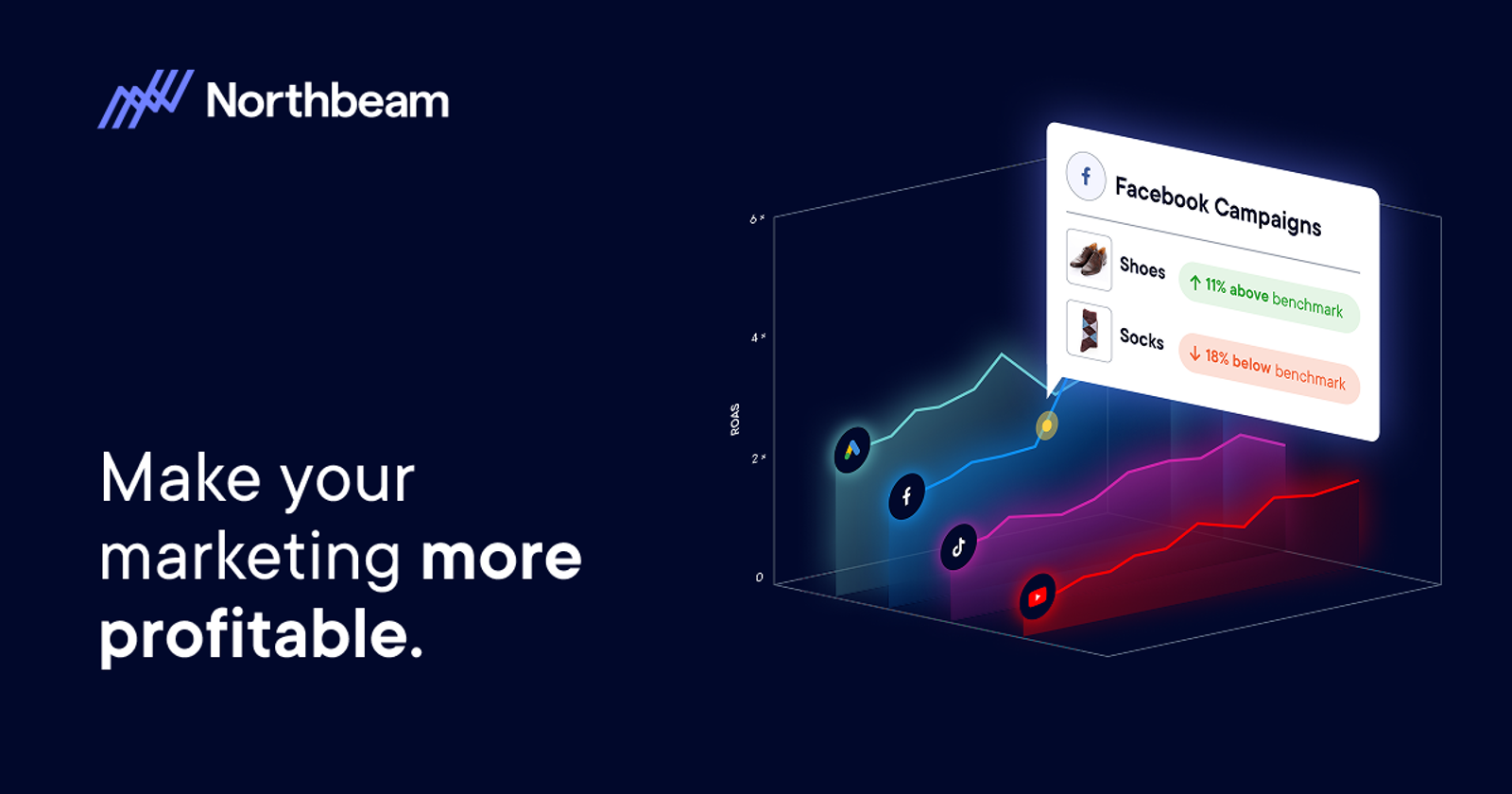
Northbeam is built for teams that want deeper, more accurate attribution across complex marketing setups. Instead of relying mainly on pixels, it combines multi-touch attribution with media mix modeling (MMM) to give a broader view of what’s actually driving growth.
It is typically used by brands running significant ad spend across multiple channels, where simple dashboards are not enough and decision-making depends on higher data accuracy and modeling.
Key capabilities
- Multi-touch attribution with fractional credit across channels
- Media mix modeling (MMM) for big-picture budget decisions
- High accuracy attribution for complex customer journeys
- Advanced cohort and LTV analysis
- Cross-platform data integration and unified measurement
- Granular control over attribution models and custom metrics
Pricing: From around $1,000/month.
Best for: Mid-to-large ecom brands with diverse channel mixes.
11. Wicked Reports
Wicked has been around since 2013.
Where it stands out is LTV and cohort reporting for subscription brands. Boxes, supplements, software. Attribution.app handles attribution well at the surface but doesn't go deep on retention. Wicked tells you which acquisition channels bring in customers who stick around for six months and which bring in churners.
Key capabilities
- Cohort analysis and LTV reporting that's genuinely deep, not just a single number.
- Native Klaviyo, Shopify, and ReCharge integrations.
- Conversion sync to Meta with new-customer events, training the algorithm to find first-time buyers.
- Several attribution models you can switch between without re-tagging.
Pricing: From around $250/month.
Best for: Subscription DTC brands focused on customer lifetime value.
How to choose the right Attribution.app alternative
Attribution.app is a solid first attribution tool.
It does the basics well, costs less than the enterprise crowd, and ships a deterministic methodology that's easy to defend in a meeting. Plenty of teams stay on it for years.
Plenty of others outgrow it. The shape of "outgrew it" is what tells you where to go next.
- Outgrew the integration list: SourceLoop. It captures leads automatically from around 70 form, meeting, chat, call and payment tools, prices on conversions rather than tracked visitors, and starts at $49/mo.
- Need an AI analyst for ABM reporting: HockeyStack.
- Want predictive scoring on top of attribution: Factors.ai.
- Funnel closes on the phone: Hyros.
- Email-led funnel for info products or courses: SegMetrics.
For most teams reading this, SourceLoop is the natural next step.
Attribution.app does the basics well. SourceLoop covers the same ground and adds automatic capture from the form, scheduler, chat and call tools where leads get created, plus click-ID depth so reporting and conversion sync both work below the campaign row. Entry pricing is a fraction of Attribution.app's Pro plan, and tracked conversions are never metered.
One last thing. The hidden cost of any attribution tool is the install. A perfectly priced tool with broken tracking is worse than a more expensive tool that's wired up correctly. Whatever you pick, give it a careful first week before you judge it.
Frequently asked questions
-
What does Attribution.app actually do?
Attribution.app is a multi-touch attribution platform that ties ad spend to revenue. It uses a deterministic methodology, mapping the exact journey each customer takes from first interaction to conversion, instead of relying on probabilistic modelling. It integrates with major ad platforms, CRMs, and CDPs, and is commonly used by B2B SaaS teams running both self-serve signups and sales-led closes.
-
How much does Attribution.app cost?
Attribution.app pricing starts at the low end of the market and scales with ad spend, integrations, and feature tiers. Plans for Twilio Segment customers start at $335/month. Higher tiers add cohort analysis, more user seats, and managed onboarding. Pricing is volume-based, so the exact number depends on monthly ad spend and integration count.
-
Why do people switch away from Attribution.app?
The most common reasons are documentation gaps, lighter feature depth than enterprise tools, and the lack of native call tracking or AI recommendations. Teams running larger ad budgets often want stronger conversion API support and CRM-native reporting. SaaS teams with longer sales cycles often outgrow the model and move to Dreamdata, SourceLoop, or HockeyStack.
-
Is SourceLoop a good replacement for Attribution.app?
For most B2B and SaaS teams, yes. SourceLoop covers the same multi-touch attribution and CRM sync that Attribution.app offers, and adds native conversion API sync to Meta, Google, LinkedIn, and TikTok. It also auto-detects HubSpot Forms, Calendly, Typeform, Intercom, and Stripe out of the box, which keeps the install short.
-
Attribution.app vs Dreamdata, which one should B2B SaaS choose?
Attribution.app is lighter and cheaper. Dreamdata is heavier, deeper, and more expensive, with bi-directional Salesforce sync, weighted multi-touch attribution by deal size, and account-level journey reports. If your reporting must live in Salesforce and your sales cycles are long, Dreamdata wins on depth. If you want a faster start at a lower price, Attribution.app or SourceLoop are better entry points.
-
Does SourceLoop work without Salesforce or HubSpot?
Yes. SourceLoop ships with a native HubSpot integration and a webhook-based sync that works with Salesforce, Pipedrive, Close, and most other CRMs. It also runs without any CRM at all, surfacing attribution inside its Contacts Hub for teams that haven't picked a CRM yet.
-
Can I try SourceLoop without booking a demo?
Yes. SourceLoop has public pricing and a 7-day free trial with no credit card. You can sign up, install the script, and start tracking the same hour without talking to a sales rep.
-
Which Attribution.app alternative is best for ecom?
Triple Whale if you're on Shopify and want native ecom reporting with profit factored in. Northbeam if you're a mid-to-large brand running across Shopify, WooCommerce, and Magento with budget for marketing mix modeling. Wicked Reports if you sell subscriptions and care more about LTV than first conversion.



 Paid Social


